A small snack on the go
If you’re planning to eat one portion while you’re out, check the kcal and weight of that portion. Keep the per-100 g figure in mind too, so you can compare recipes on an equal basis.


For a chocolatey treat during the summer holidays, compare the calories in the amount you’ll actually eat, then check the figures per 100 g. A smaller portion means fewer calories for that snack, but it doesn’t mean the recipe itself is lower in energy. Check sugars and allergens separately, along with storage instructions for travelling. Nutri-Score, which Santé publique France says is voluntary, is no substitute for reading the nutritional information.
If you’re planning to eat one portion while you’re out, check the kcal and weight of that portion. Keep the per-100 g figure in mind too, so you can compare recipes on an equal basis.
If sugars matter more to you than calories per bar, check both figures separately. A claim about sugars alone doesn’t tell you how much energy the bar provides.
If you need to avoid certain allergens, check the ingredients list and any ‘may contain’ statements on the packaging of the product you’re buying, rather than relying on the brand name alone.
For a chocolate snack on holiday, start with what matters most to you: portion size, sugars, how you plan to use it, or ingredients you need to avoid.
| Criteria | What to check | Who it matters to |
|---|---|---|
| Calories per portion | Compare the kcal for the whole bar and per 100 g; check whether the stated portion is the entire bar. | For a single snack while I’m out, I want to know what’s in the amount I’ll eat, not just the figure per 100 g. Around 36% of consumers put calories per portion first. |
| Sugars | Read the sugar figures per portion and per 100 g, then check the kcal for the same portion. | I might choose a higher-calorie bar if my priority is comparing its sugar content. This is the main concern for around 29% of consumers. |
| How you plan to use the bar | Check the weight, protein content and usage instructions: a protein bar or meal-replacement bar may not be right for a small snack. | If I’m looking for something other than a chocolate snack, I need to distinguish a protein or meal-replacement bar from the type I thought I’d take with me. Around 14% of consumers prioritise this use first. |
| Allergens | Check the ingredients and any ‘may contain’ statements on the packaging of the product you buy. | Before putting a bar in my bag, I need to know whether its ingredients fit my dietary requirements. For around 21% of consumers, this check comes before all the others. |
Carrefour’s product listing for a 50 g Twix gives 123 kcal for 25 g. That figure is for half the stated bar weight, not the whole bar.
Compare the product’s weight with the portion used for the nutritional information, and adjust your calculation if you plan to eat the whole bar.
Carrefour’s product listing for Mars Protein Low Sugar gives 2 g of sugars and 200 kcal per 50 g bar. Carrefour Sensation chocolate and hazelnut is listed at 147 kcal per 35 g. The two products differ in weight and in what you might want to compare.
Check the sugars and kcal for the portion you’re considering, then compare the figures per 100 g too.
Santé publique France says that displaying Nutri-Score is voluntary. Prepacked foods are subject to separate nutritional labelling rules, as explained by the DGCCRF.
If a Nutri-Score appears on the bar, also check the nutritional information, portion size and ingredients.
The products mentioned don’t all have the same ingredients or ‘may contain’ statements. A calorie figure can’t tell you whether a product is suitable for your dietary restrictions.
Read the allergen information on the packaging of the specific product and batch you’re taking with you.
These brands illustrate different formats and categories to compare; features depend on the specific product.
Mars, Snickers and Twix bars offer a useful comparison between classic bars and stated portion sizes. Mars Protein Low Sugar is a different option, focused on its stated sugar and protein content.
A chocolate-coated wafer to compare by bar and per 100 g, rather than judging its energy content by its format alone.
The range includes a small chocolate and hazelnut bar, as well as chocolate cereal bars. These aren’t interchangeable categories.
Crunch Snack is a milk chocolate and puffed rice bar. Its portion can be compared with those of other bars.
A chocolate meal-replacement bar serves a different purpose from a small chocolate bar eaten as a snack.
These individually sized products include classic chocolate bars, a fruit and nut bar coated in chocolate, and a small chocolate bar. The category and the amount you plan to eat matter just as much as the weight shown on the product.
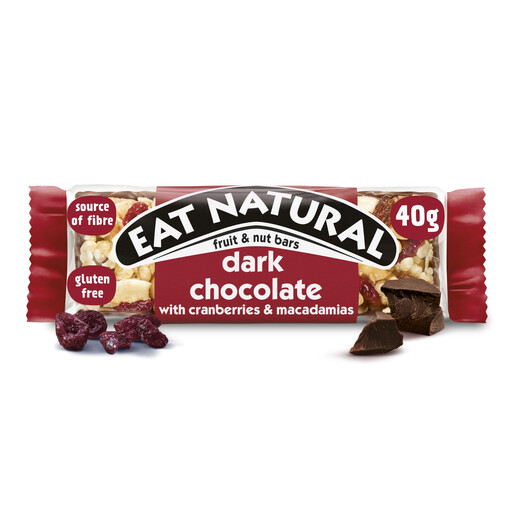 Image unavailable
Worth considering if you’re after an individual serving with cranberries and dark chocolate. Bear in mind that this is a fruit and nut bar rather than a classic chocolate bar. Compare the nutritional information for this portion with the figures per 100 g, and check the allergens on the packaging.
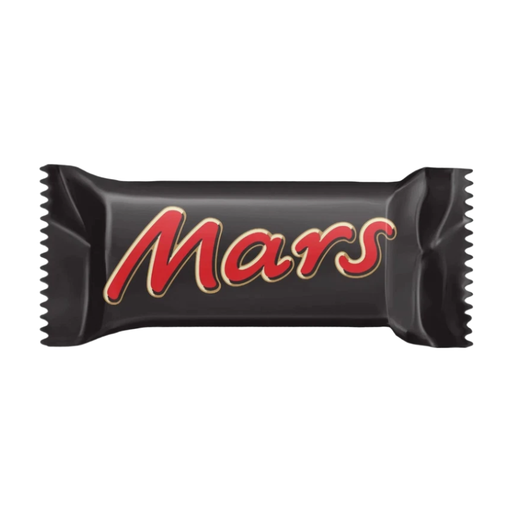 Image unavailable
To compare this individual bar with a smaller portion, start with its weight of 51 g and check the energy per 100 g on the label. Check the allergens, and carry it somewhere away from heat and direct sunlight.
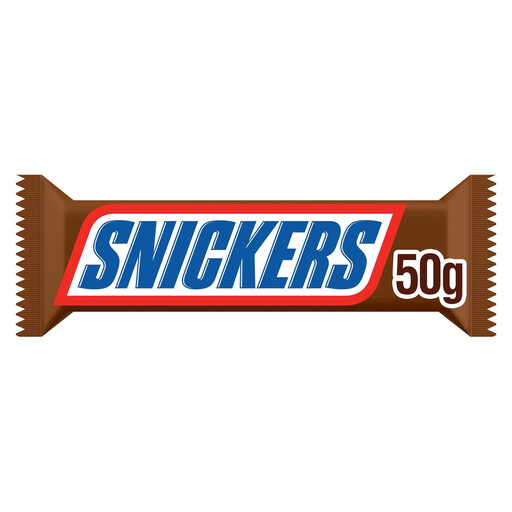 Image unavailable
If you plan to eat the whole bar, Carrefour’s product listing for this 50 g product gives 244 kcal per bar. Compare this with the portion you’d actually eat. As it contains peanuts, it’s essential to check the allergen information on the packaging. Store the bar away from heat.
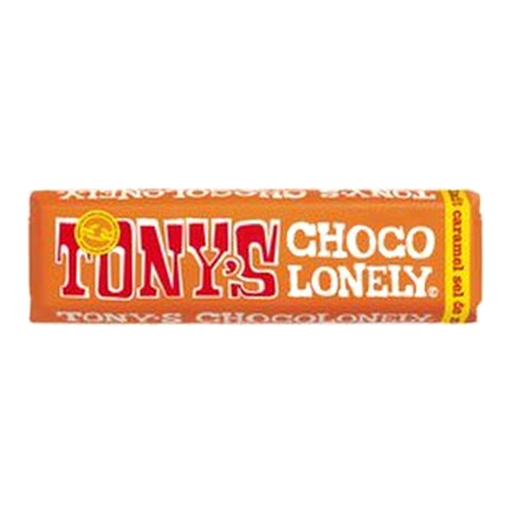 Image unavailable
This 47 g mini bar is different from a portioned chocolate bar, so work out how much you’ll eat before comparing calories. Storage instructions recommend keeping it between 12 and 19 °C, away from light and odours. Check whether you can keep it in these conditions while travelling.
No. The contribution described by Légifrance applies to drinks and liquid preparations for drinks intended for human consumption. A solid chocolate bar isn’t covered.
No. Santé publique France says producers can choose whether to display Nutri-Score. The DGCCRF also sets out the rules for nutritional declarations on prepacked foods, so the absence of Nutri-Score doesn’t mean you should skip the available nutritional information.
Compare both: the per-100 g figure lets you compare products on the same basis, while the portion figure helps you assess how much you’ll eat. Carrefour’s listing for a 50 g Twix gives 123 kcal for 25 g, so check whether you’ll eat one or two of these portions.
No. Carrefour’s product listing for Mars Protein Low Sugar gives 2 g of sugars and 200 kcal for a 50 g bar. Compare sugars, kcal and portion weight separately with those of the product you’re interested in.
Follow the storage instructions for the product you’ve bought, and don’t leave it somewhere hot. Joybuy’s product listing for the 50 g Snickers says to store it away from heat; instructions may vary for other products.