People buying for someone with a severe allergy
If even a trace could affect the recipient, the specific allergen and their individual guidance take priority over the stated recipe. Also check the packaging for cross-contamination warnings.


When choosing a chocolate bar or gift box for someone with an allergy, start with the allergen they need to avoid, then check the ingredients and any ‘may contain’ warnings on the packaging of the exact product. If you’re buying a gift, a single bar is easier to check than an assortment of different recipes. The colour of the chocolate, its cocoa content and its Nutri-Score cannot confirm that it’s suitable for someone with an allergy.
If even a trace could affect the recipient, the specific allergen and their individual guidance take priority over the stated recipe. Also check the packaging for cross-contamination warnings.
If you don’t know all of the recipient’s restrictions, choose a product whose ingredients you can check before giving it to them. In a gift box, every variety needs to be checked separately.
Once you’ve checked products for the allergy in question, compare sugars per 100 g and other nutritional values across similar products. If shown on the packaging, the Nutri-Score does not provide information about allergens.
Start with the allergen in question and any warnings about traces. Next, check the ingredients of every item in a gift box and the nutritional information, depending on what you’re buying.
| What to check | Check for | Who is this for? |
|---|---|---|
| Allergens and traces | On the exact product packaging, allergens highlighted in the ingredients and any ‘may contain’ warnings. | If traces of the allergen in question must be avoided, the recipe alone isn’t enough to make a decision. Around 39% of consumers prioritise strictly avoiding it. |
| What’s in a gift box | The ingredients and warnings for every variety in the box, as well as the label to keep with the gift. | When giving an assortment, check every piece so the recipient can see exactly what’s in it. Checking the gift comes first for around 31% of consumers. |
| Nutritional information | Sugars per 100 g and, if displayed, the Nutri-Score of comparable products. | Once allergies have been considered, some consumers want to compare bars by their nutritional values. Around 15% make this their priority. |
| Simple recipe | The full ingredients list, including any added ingredients, followed by warnings about traces. | A bar with fewer added ingredients may make the recipe quicker to check, but you still need to check for traces. This is the main consideration for around 15% of consumers. |
The colour and cocoa content aren’t enough to confirm the ingredients or rule out traces. Carrefour warns that one dark chocolate product may contain traces of nuts, peanuts, gluten and milk.
Read the ingredients and warnings on the packaging of the product you’re buying, even if it has a high cocoa content.
Fillings, biscuits, pralines and added ingredients can mean that the chocolates in the same gift box have different ingredients.
Check every variety and make sure the recipient can access the ingredients information. If you can’t check the whole assortment, a single bar is simpler to assess.
According to Santé publique France, displaying the Nutri-Score is voluntary. This nutrition label doesn’t certify that a product is free from an ingredient or traces of one.
Check the ingredients and precautionary warnings first; then use the nutritional information to compare the products that are still suitable options.
A product listing you viewed before buying is no substitute for checking the label on the actual product you receive. E.Leclerc also notes that the Nutri-Score shown for an Equador 85% bar is based on the old calculation.
Check the packaging when you buy the chocolate and before giving it to the person concerned.
The brand offers Excellence bars and chocolate gift boxes, among other products.
Listings for some own-brand bars show their ingredients, allergens and nutritional values.
These E.Leclerc ranges include bars with different recipes, including baking chocolate and high-cocoa options.
Nestlé describes its KitKat bars as combining chocolate, wafer and filling.
These single bars include dark chocolate recipes and varieties with added ingredients. For each one, compare the allergen to avoid with the information on the exact product packaging before deciding whether to buy it or give it as a gift.
 Image unavailable
A single bar to consider if you’d prefer to check one recipe at a time. Its name tells you the cocoa content, but not whether it may contain traces. Lindt states that none of its products are guaranteed to be free from nut allergens. Check the packaging of this product against the allergy in question.
 Image unavailable
This single-serve size lets you check one specific product rather than an assortment. Its product listing notes that it may contain nuts, milk and soya. If any of these need to be avoided, compare this information with the recipient’s guidance and the current packaging.
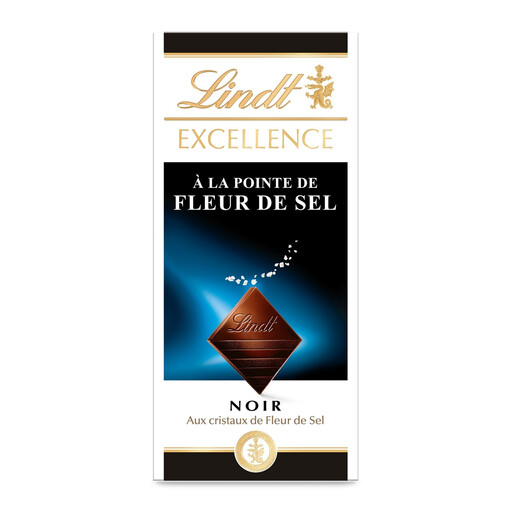 Image unavailable
This sea salt variety needs to be checked separately from plain dark chocolate bars. Its product listing declares milk and soya: don’t choose it if the person needs to avoid either ingredient. Also check the exact packaging for any warnings about traces.
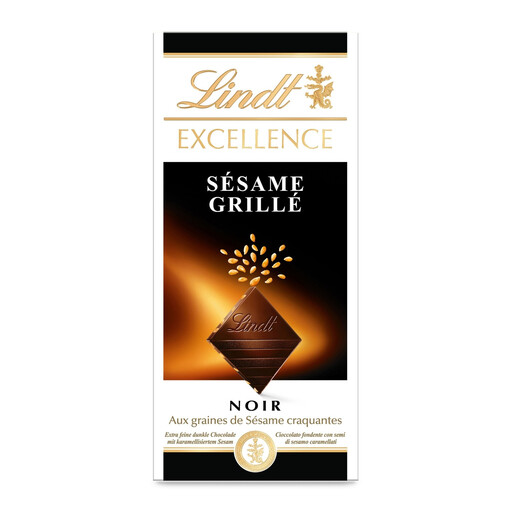 Image unavailable
For this bar with added ingredients, check these as well as the chocolate itself. Its product listing declares sesame, milk and soya: avoid it if any of these ingredients need to be avoided, and check the packaging for trace warnings.
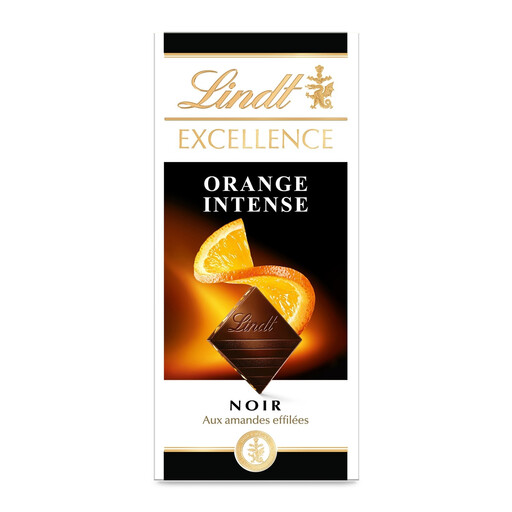 Image unavailable
The name ‘with orange’ doesn’t tell you everything you need to know about the ingredients. Its product listing also declares almonds, milk and soya: avoid this bar if any of these ingredients need to be avoided, then check the packaging for trace warnings.
No. According to Santé publique France, producers can choose to display the Nutri-Score alongside nutritional information. Its absence doesn’t tell you whether allergens are present; check the ingredients and trace warnings for that.
No. A dark chocolate bar may list these ingredients or carry a warning about traces. For example, Carrefour notes that some dark chocolate products may contain traces of milk and nuts. Check the specific bar you’re planning to buy.
No, not when deciding which product to eat. A listing can help you draw up a shortlist, but check the ingredients and warnings on the current packaging before giving or eating the chocolate.
Take it into account for the allergen named and the guidance given to the person concerned; it doesn’t mean that the ingredient is part of the recipe. If you’re unsure how cautious you need to be, ask the person what guidance they follow before choosing the chocolate.
No. The levy described by the Ministry of the Economy applies to sugary drinks, not chocolate bars or gift boxes. If sugar content matters to your comparison, check the nutritional values per 100 g instead.