Anyone looking for a bar to enjoy on their own
After drinks, you might prefer to break off a few squares rather than open a larger pack. The Lindt and Côte d’Or products featured on their product pages include 100 g bars.


For an individual treat after drinks, a 100 g bar lets you choose a recipe without opening a larger pack. Pick one to suit your taste — milk chocolate, dark chocolate or a bar with added ingredients — then check the ingredients, allergens and nutritional information for the specific product. A high cocoa percentage alone won’t answer these questions.
After drinks, you might prefer to break off a few squares rather than open a larger pack. The Lindt and Côte d’Or products featured on their product pages include 100 g bars.
If you’re looking for a stronger cocoa flavour after savoury food, Carrefour’s Carrefour Bio and Côte d’Or Bio products specify a minimum cocoa content of 90% and 70% respectively. The choice comes down to personal taste.
If the bar is for someone with an allergy, the recipe and precautionary allergen information matter more than its colour. Depending on the product, Lindt, Carrefour and Joybuy product pages mention milk, soya, barley or nuts.
For a late-night treat, start with what matters most to you, then check the exact recipe before choosing.
| What to consider | What to check | Who is it for? |
|---|---|---|
| Pack size and portion | Check the net weight and whether you can break the bar into squares; distinguish a 100 g bar from a 200 g pack. | After drinks, I want to have a few squares without opening a large bar. Around 25% of consumers prioritise this easy-to-portion size. |
| Sugars and nutritional information | Compare sugars per 100 g across similar recipes and think about the portion you plan to eat. If it appears on the pack, Nutri-Score is an additional guide. | When comparing two bars, I want to read their nutritional information on the same basis. For around 33% of consumers, this is the top priority. |
| Ingredients and allergens | Read the ingredients list and any ‘may contain’ statements for the specific product. | If the bar is for someone with an allergy, I need to know the exact recipe before giving it to them. This check is a priority for around 25% of consumers. |
| Flavour and texture | Choose between milk chocolate, dark chocolate and a bar with added ingredients; check the cocoa percentage if you’re looking for a particular type of dark chocolate. | After a savoury evening, I prefer to choose between the smooth sweetness of milk chocolate, a stronger dark chocolate or a bar with pieces, depending on my taste. Around 17% of consumers put this flavour profile first. |
Carrefour product pages for dark chocolate list milk and soya, or possible traces of nuts, depending on the product.
If you’re buying for someone with an allergy, read the ingredients and precautionary allergen information on the pack you choose.
Santé publique France describes this logo as simplified information that complements the nutrition declaration.
If it appears on the pack, use it alongside the nutritional information, ingredients list and allergen information, rather than making it your only criterion.
The cocoa percentage alone doesn’t tell you how much sugar a bar contains or provide all its nutritional information. Carrefour Bio’s 90% product page lists added sugars, which shouldn’t be confused with total sugars.
Compare the per 100 g information on the packs and take into account the recipe you plan to eat.
Milka offers a 100 g milk chocolate bar; a 200 g version is also available on Joybuy.
L’Authentique Lait is a 100 g milk chocolate bar featured by Lindt France.
Nestlé describes a range of chocolate bars with a variety of added ingredients.
Carrefour features several dark chocolate options, including L’Original and a Bio bar with a minimum cocoa content of 70%.
Carrefour features a Bio dark chocolate bar with a minimum cocoa content of 90%.
E.Leclerc offers Tablette d’Or bars individually or in multipacks, depending on the recipe.
These 100 g bars let you choose between milk chocolate with added ingredients and dark chocolate for an individual treat after drinks. Check the recipe and allergen information for each one separately.
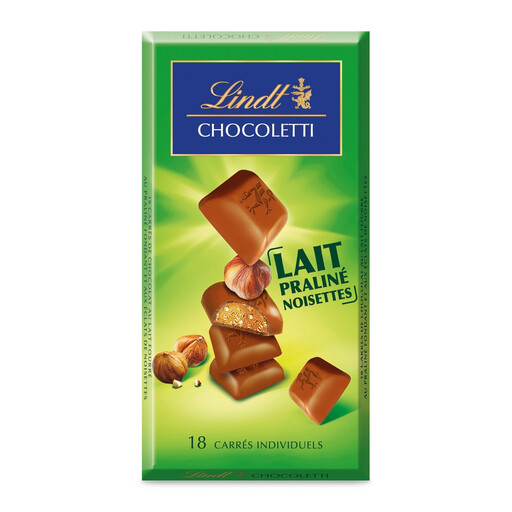 Image unavailable
For anyone who’d prefer a praline-style milk chocolate bar to dark chocolate. Check the ingredients for this product if nuts or other allergens need to be avoided.
 Image unavailable
A dark chocolate bar whose label specifies 70% cocoa. Check the ingredients list and nutritional information before comparing it with another recipe.
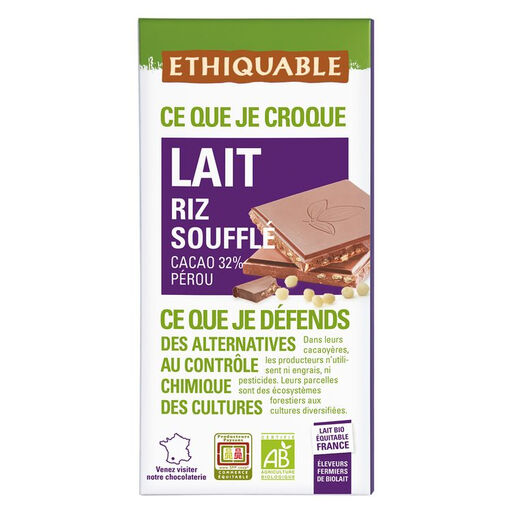 Image unavailable
A milk chocolate bar with puffed rice rather than a plain recipe. If it’s for someone with an allergy, check the ingredients and precautionary allergen information on the pack.
 Image unavailable
For anyone looking for a dark chocolate bar whose label specifies 85% cocoa. If you have an allergy, be sure to check the ingredients and precautionary allergen information on the pack you receive.
 Image unavailable
For anyone looking for a dark chocolate recipe that combines lemon and green pepper. If you prefer plain dark chocolate, bear these ingredients in mind before choosing.
No. Santé publique France describes Nutri-Score as a logo that can be displayed voluntarily, alongside the mandatory nutrition declaration. Its absence alone doesn’t mean the bar is non-compliant.
No. Carrefour product pages for dark chocolate mention milk or possible traces of milk and nuts, depending on the product. Check the ingredients and precautionary allergen information on the exact bar before giving it to someone.
The cocoa percentage alone isn’t enough to make this comparison. Carrefour Bio’s 90% product page lists added sugars, while Lindt L’Authentique Lait’s product page lists total sugars; these figures aren’t directly comparable. Check the ‘of which sugars’ line per 100 g on the packs in question.
Reseal it and follow the storage instructions on the pack. For its 200 g milk chocolate bar, the Milka product page on Joybuy recommends storing it in a cool, dry place away from heat and sealing it airtight after opening.