
Livraison le jour même ou le lendemain

Qualité garantie

Débloquez vos offres de bienvenue: Livraison GRATUITE | Jusqu'à -80 % | 30 jours d'essai gratuits à JoyPlus
Téléchargez l'application
The allure of chips with global flavours is powerful. The promise is enticing: an express culinary journey to Seoul, Mexico City, or the Caribbean, all from the comfort of your sofa. Unfortunately, the adventure often ends in disappointment. Initial excitement gives way to a bitter aftertaste when a product oversells its merits. To avoid filling your basket with regrets, here are the pitfalls to watch out for and the criteria for making the right choice.
Disappointments often boil down to three classic scenarios:
To avoid falling for marketing ploys, a few simple checks can turn your tasting into a true discovery. Follow this guide.
To ensure curiosity doesn't turn into disappointment, you need to look beyond the marketing slogans and focus on a few technical details. This information, often found on the packaging or in the online description, is a much better indicator of quality.
Not all chips are created equal. The raw material is key: it dictates the texture and how the flavours will be delivered.
The flavouring method is crucial. A simple surface powder provides an immediate, but often artificial, hit of flavour. In contrast, quality seasoning made with real ingredients (onion powder, garlic powder, well-balanced spices) develops a deeper, more authentic taste. For spicy chips, mentioning the type of chilli pepper used (e.g., Cayenne, Habanero) is often a mark of quality and a good indicator of the heat level to expect.
For imported snacks, which have often travelled a long way, the packaging isn't a minor detail: it's a quality guarantee.
Rather than an endless catalogue, here are three products that tick all the boxes and cater to very specific cravings.
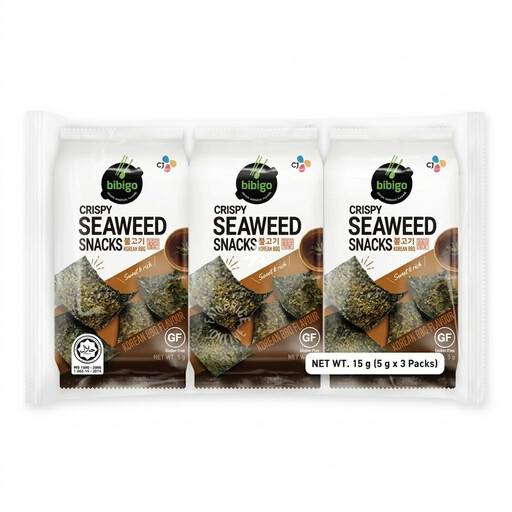
Why it's a great match: Perfect for those who want to venture beyond the potato. This snack is a complete sensory experience, combining an airy texture with the rich, sweet-and-savoury umami flavour of Korean barbecue. A truly original appetiser snack that is sure to surprise.
There's no risk of a "fake flavour" here: the base itself (the seaweed) is the star ingredient. The texture is unique by definition, impossible to mistake for a classic chip.
Ultra-light, melt-in-your-mouth texture. Authentic and complex bulgogi taste. Individual portions for maximum freshness.
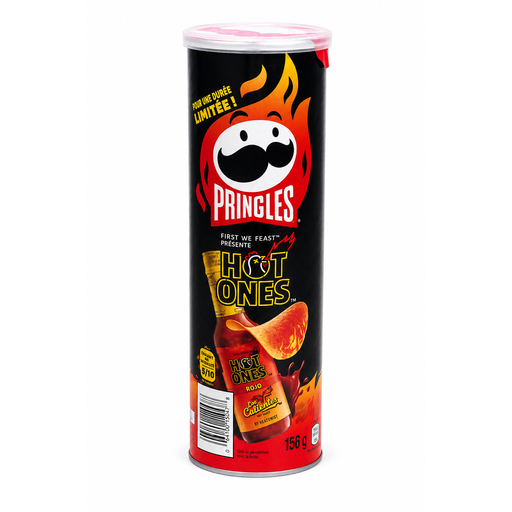
Why it's a great match: For anyone looking for truly spicy chips and tired of "hot" products that have no kick. The partnership with "Hot Ones," the cult-favourite show for extreme sauces, is a serious seal of approval: it's going to be hot.
It avoids the "marketing heat" trap. The "Hot Ones" name isn't just a selling point; it's a promise of intense heat, validated by experts in the field.
Intense, building heat. The iconic tube perfectly protects the chips and their legendary crunch.
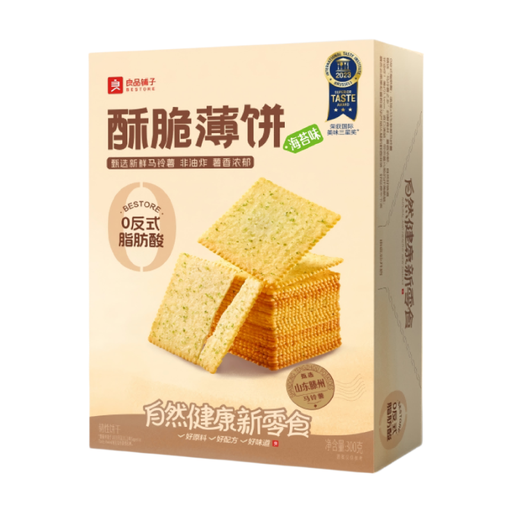
Why it's a great match: Ideal for surprising guests with appetiser crackers that are a change from the usual breadsticks. The subtle and intriguing seaweed flavour is approachable enough to please everyone. The generous 300g size is perfect for a cocktail party or dinner gathering.
This cracker avoids the trap of being too polarising. Its extra-thin texture and crispiness are addictive, while the umami flavour remains delicate without ever being overpowering.
Remarkably fine texture. Generous size, perfect for sharing. A taste that pairs wonderfully with dips or spreads.
Discover our full selection of products that meet our quality criteria and current regulations.
Where can I buy Asian chips online with authentic flavours? It's best to use platforms that specialise in imports, like Joybuy. They offer detailed product pages with a full list of ingredients and nutritional information. This is the best way to know what you're buying and avoid disappointment.
How do I store imported snacks to keep them crispy? The number one enemy of crunch is moisture. Once the bag is open, the best practice is to transfer the contents to an airtight container. Store it in a cool, dry place, away from light. Above all, avoid the refrigerator: the cold and humidity are fatal to the texture of fried products.
Are imported spicy chips really that hot? The heat scale is not universal! A product labelled "spicy" in Asia or the United States will often be much more intense than its European equivalent. To get an idea, look for clues on the packaging: the mention of a specific pepper (Habanero, Ghost Pepper...) or a partnership with a brand known for its hot sauces (like Hot Ones) are tell-tale signs. When in doubt, start by tasting a small amount.