
Livraison le jour même ou le lendemain

Qualité garantie

Débloquez vos offres de bienvenue: Livraison GRATUITE | Jusqu'à -80 % | 30 jours d'essai gratuits à JoyPlus
Téléchargez l'application
The world of Chinese vinegar is a universe of flavors as rich as it is confusing. Faced with a multitude of bottles with sometimes indecipherable labels, it's easy to feel lost. Black, white, rice, Zhenjiang vinegar… Which one should you choose for a successful marinade, a dumpling sauce, or a stir-fry??
As a product selection expert at Joybuy, my mission is to guide you. This guide gets straight to the point: demystifying the main types of Chinese vinegars and presenting essential bottles so you never make a mistake again.
To find the perfect bottle that will elevate your dishes, a few simple criteria are all you need.
The first and most important distinction is between black and white vinegars.
Geographical origin and base ingredients play a crucial role in the taste. A Zhenjiang vinegar, for example, has a protected designation and its rich, balanced flavor is the result of traditional craftsmanship. Others may be based on glutinous rice vinegar, which gives them a unique sweetness and complexity. A quick look at the label will give you valuable clues about the flavor profile.
Each vinegar has its specialty. For a dumpling dipping sauce, an aromatic black vinegar is an unbeatable classic. For a meat or fish marinade vinegar, a black vinegar will tenderize and impart deep flavor, while a white vinegar will provide a sharp, acidic kick. The secret is to always think about the final dish to make the right choice of Asian seasoning.
To get you started or to expand your pantry, here are a few bottles that have caught our eye.
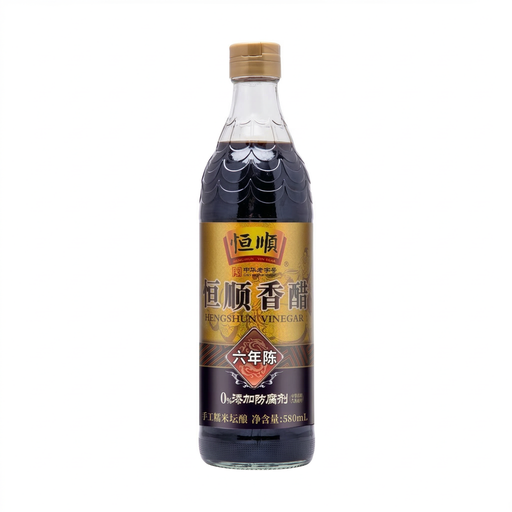
Why It Stands Out This is an essential benchmark of the famous Zhenjiang vinegar. Its six-year aging process gives it a remarkable aromatic depth. It is produced from glutinous rice and wheat bran using traditional methods, ensuring a perfect balance between acidity, sweetness, and malty notes.
Key Strengths
Who Is It For?? For cooks seeking authenticity and a deep flavor for their Chinese dishes. It's the ideal choice for creating a dumpling sauce or enhancing seafood.
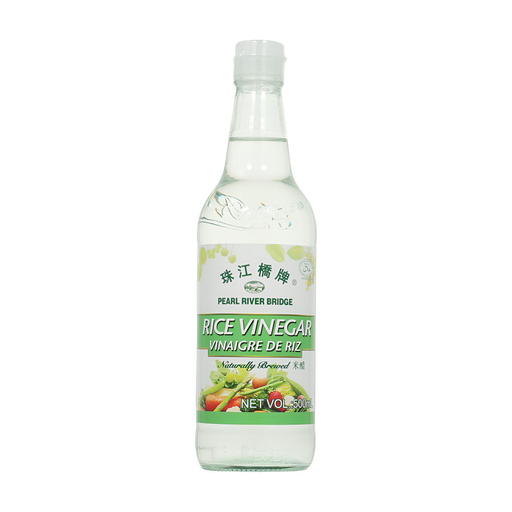
Why It Stands Out This white rice vinegar is a staple in any well-stocked kitchen. Its minimalist composition (water, rice, salt) guarantees a clean flavor and a sharp yet gentle acidity that never overpowers other ingredients.
Key Strengths
Who Is It For?? For anyone looking for a versatile, everyday vinegar. It is perfect for recipes that require a refreshing touch of acidity, such as salads, soups, or stir-fries.
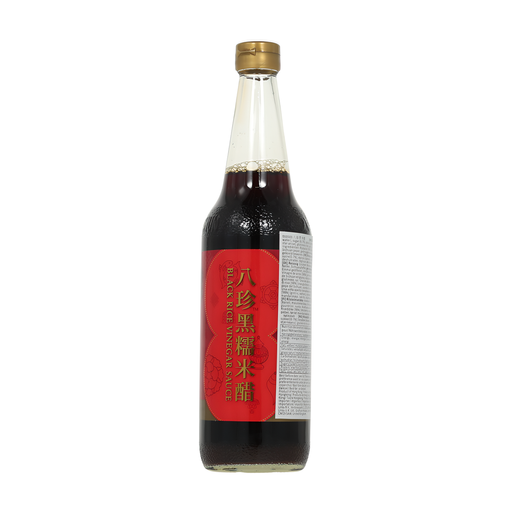
Why It Stands Out Originating from Hong Kong, this black vinegar stands out for its unique recipe. Made from glutinous rice vinegar, it is then infused with a blend of spices (cinnamon, cloves, Sichuan pepper, star anise...). The result is a vinegar that is simultaneously acidic, sweet, and incredibly aromatic.
Key Strengths
Who Is It For?? For adventurous cooks or those looking to replicate specific dishes, like the famous ginger and pork trotter stew. It's a prime choice for anyone seeking a marinade vinegar with a strong aromatic signature.
Our selection covers the essentials, but the world of Chinese vinegar is full of nuances. To discover other gems or compare brands, feel free to browse our complete collection.
? Discover more Chinese black vinegars
Although they share the same rice base, their profiles are very different. Japanese rice vinegar is generally milder, more delicate, and often seasoned with sugar and salt (especially for sushi rice). Chinese white rice vinegar is more raw and acidic, while Chinese black vinegar is incomparably more complex, malty, and potent.
Vinegar is a natural preservative. Simply store it in a cool, dry place, away from direct sunlight. Be sure to close the bottle tightly after each use. Refrigeration is not necessary, but it can help preserve the subtlety of the most delicate or flavored vinegars over the long term.
As a general rule, no. Their flavor profiles are polar opposites. Using a black vinegar instead of a white one will darken your dish and give it an unwanted deep, malty flavor. Conversely, replacing a black vinegar with a white one will strip the dish of its complexity and characteristic color, while adding a much more pronounced acidity. It's best to stick to the recipe's instructions.