
Livraison le jour même ou le lendemain

Qualité garantie

Débloquez vos offres de bienvenue: Livraison GRATUITE | Jusqu'à -80 % | 30 jours d'essai gratuits à JoyPlus
Téléchargez l'application
Chinese tofu is far more than a single product. Silken tofu, dried tofu, fried tofu, smoked tofu, marinated tofu and tofu skin — textures, uses and storage requirements can vary dramatically. Make the wrong choice, and you could end up with a product that is too salty for your recipe, inconvenient to prepare or unsuitable for your dietary needs.
Here are the key criteria to check before buying, along with a selection suited to different Asian cooking styles.
The term “ fish tofu ” can be misleading. It generally refers to a preparation made from fish paste, sometimes enriched with soybean oil, egg white and soy protein. Little Chef Fish Tofu 200 g, for example, contains 62.95 % fish paste, as well as fish, eggs and soy.
This product is suitable as tofu for hot pot, soups and stir-fries, but it is not plant-based and is therefore unsuitable for vegan or vegetarian diets. Before buying, take the time to check the ingredient list and allergen information.
Protein content can vary significantly from one product to another. Dried tofu and tofu skin contain more concentrated nutrients after dehydration, while silken tofu has a much higher water content and a lighter texture.
It is also worth checking the levels of salt, fat and sugar. Some marinated or spicy tofu snacks contain around 2 to 4 g of salt per 100 g. They are designed to be enjoyed as they are, but it is best to eat them in moderation rather than make them a daily side dish.
Long-life packaging does not mean that a product can remain at room temperature once opened. Silken tofu in aseptic packaging can be stored in a cupboard before opening, but it must then be refrigerated and consumed promptly.
Fried tofu and certain products intended for hot pot, by contrast, are sold frozen and must be stored at -18 °C. Check the storage instructions, the best-before or use-by date shown on the packaging, and the instructions to follow after thawing.
Soy is the primary allergen, but some products also contain wheat, sesame, fish or eggs. Tofu skin made solely from yellow soybeans can suit a vegan diet, while a seasoned snack may contain soy sauce, gluten, flavour enhancers or preservatives.
For a plant-based recipe, choose a short ingredient list and clearly confirm the absence of animal-derived ingredients. For a snack, compare the soy, protein, salt and fat content per 100 g.
A ready-to-eat product, such as braised tofu cubes, only requires opening the packet. Dried products require a little more planning:
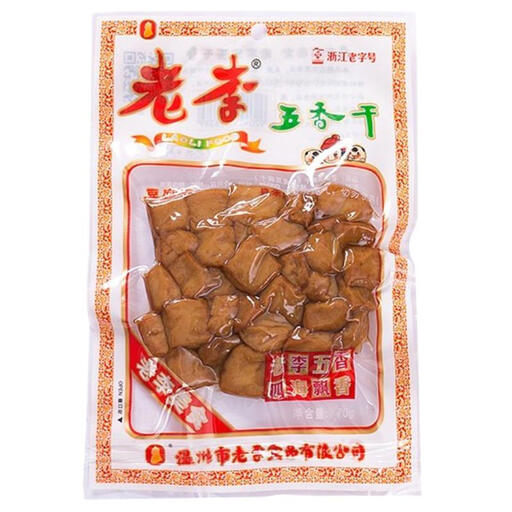
Why this format works : This individual ready-to-eat pouch is ideal for discovering Chinese tofu snacks without committing to a large stock.
The product states that it contains at least 75 % soy and is ready to eat. However, the presence of soy and the flavour enhancer E621 should be taken into account.
A 70 g format with a firm texture and pleasantly springy bite, providing 24.4 g of protein and 2.5 g of salt per 100 g according to the label.
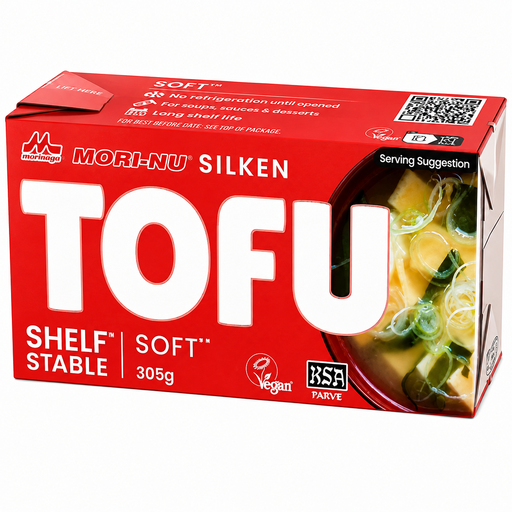
Why this format works : Its smooth texture blends seamlessly into soups, salads, sauces and desserts, as well as vegan and vegetarian recipes.
The unopened pack can be stored outside the refrigerator. Once opened, any remaining tofu should be refrigerated and eaten within the following few days.
A 305 g format, with 5.8 g of protein and 52 kcal per 100 g according to the product information; soy is the listed allergen.
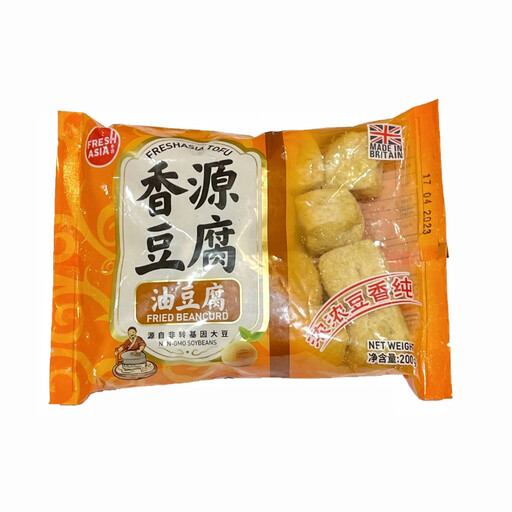
Why this format works : Fried tofu quickly absorbs broth and sauce, making it a natural choice for hot pot, oden, braised dishes and stir-fries.
This product is frozen and must be stored at -18 °C or below. Thaw before use and do not refreeze after thawing.
A 200 g format with a porous texture and 24 g of protein per 100 g according to the available product information.
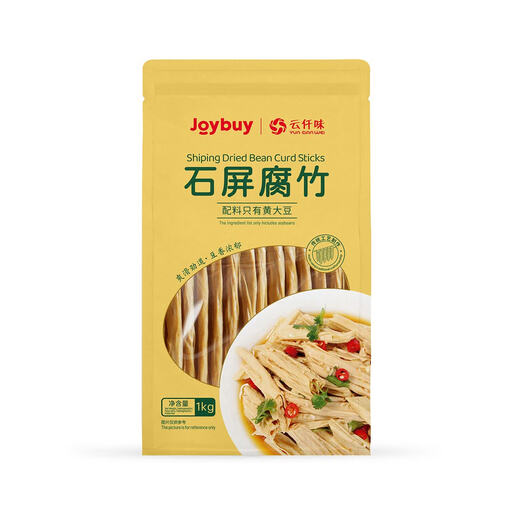
Why this format works : Once rehydrated, these tofu sticks are ideal for hot pots, cold salads, braised dishes and large batches of soup.
The large format offers excellent value for regular use, but it requires two to three hours of soaking. Store it in a dry place away from light.
The listed ingredient is 100 % yellow soybean. The nutrition panel states 41.3 g of protein and 0.02 g of salt per 100 g.
We have brought together an updated selection for a range of uses : silken tofu, dried tofu, fried tofu, tofu skin and Asian snacks.
For a ready-to-serve side dish, Laoli Five-Spice Braised Tofu Cubes 238 g offer a texture that is both firm and tender, with 24.4 g of protein per 100 g according to the label. Serve them with rice or noodles straight from the pack, or warm them gently before serving.
DALI Tofu Skin 250 g is suitable for rolls, soups, stir-fries and plant-based dishes. Rehydrate it in lukewarm water before cooking. For an individual snack, Laoli Five-Spice Dried Tofu Thin Slices 220 g offers seasoned strips that are ready to eat.
Those who enjoy bolder flavours can also opt for spicy tofu or fermented tofu. In that case, pay particular attention to the salt content, chilli level and any wheat or additives listed.
Tofu made solely from soybeans, water and a coagulant can be perfectly suitable for a vegan diet. However, not every product labelled “ tofu ” is plant-based: fish tofu contains fish, and some seasoned products may include animal-derived ingredients. Check the ingredient list and any vegan certification on each package.
After opening, silken tofu and refrigerated products should be stored in the refrigerator and consumed promptly, in accordance with the label instructions. For ready-to-eat tofu snacks, reseal the pouch carefully and follow the manufacturer’s recommendations. Unopened dried products should be kept in a cool, dry place, while frozen products must remain at -18 °C or below.
Fried tofu, tofu skin, crispy rolls and rehydrated tofu sticks are especially good at absorbing broth. Silken tofu is better suited to delicate soups and should be handled carefully to prevent it from breaking apart. For a variety of textures, combine firm or fried tofu with vegetables, noodles and a complementary sauce.