
Livraison le jour même ou le lendemain

Qualité garantie

Débloquez vos offres de bienvenue: Livraison GRATUITE | Jusqu'à -80 % | 30 jours d'essai gratuits à JoyPlus
Téléchargez l'application
Tofu? The first thing that comes to mind is often the classic, somewhat bland white block. Think again! The world of Chinese tofu is infinitely richer and more surprising. From thin sheets for stir-frying and savoury snacks to bold fermented condiments, Asian soy products come in countless forms.
Faced with such diversity, it can be hard to know where to start, whether for a specific recipe or a simple tasting. This guide is here to help you navigate this world, understand the different types of Chinese tofu, and buy online the best products with confidence.
To navigate the world of Chinese tofu, you just need to know what to look for. Here are the key points to check before making a purchase.
The first and most important question is: what are you going to do with it?
Texture is the best indicator of the tofu's intended use. The sheets are thin and pliable, the snacks are dense and chewy, while fermented tofu is creamy and almost melts in your mouth. The shape (sheets, cubes, individual packets) is also an excellent clue to its purpose.
A short ingredient list is often a sign of quality. A basic cooking tofu, like qianzhang, should only contain soybeans, water, and salt. Snacks and fermented tofus, on the other hand, will have longer lists with spices, oils, and ferments that create their unique flavour profile.
To get you started, we've selected three products that perfectly illustrate the richness of this world.
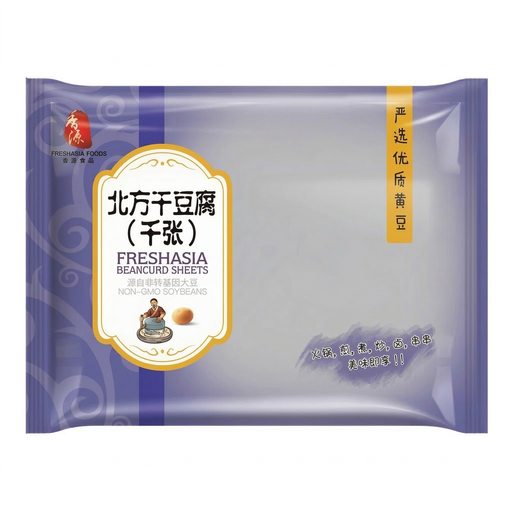
Why we chose it: This is the archetype of traditional qianzhang from Northern China. Its thin, firm, and pliable texture makes it an incredibly versatile staple ingredient. Made only from non-GMO soybeans, water, and salt, it's a simple and authentic source of plant-based protein.
Highlights:
Who is it for? For all cooks, from beginners to experts, who want to try their hand at authentic Chinese tofu recipes. It's also an excellent choice for those looking for a minimally processed, low-carb source of plant-based protein.
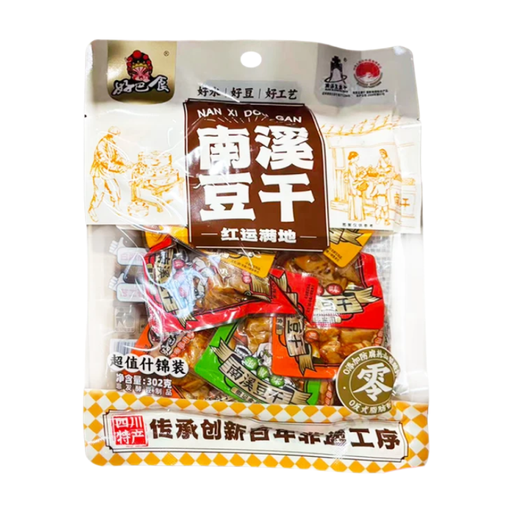
Why we chose it: This is the perfect gateway into the world of Sichuan's spicy tofu snacks. With four flavours (Hot, Spicy, Grilled, and Pickled Chilli), this assortment promises a tasting experience full of surprises. Ready to eat, it's the perfect solution for a unique appetiser.
Highlights:
Who is it for? For fans of bold flavours and unconventional snacks. It's the perfect option for a protein-rich snack on the go, an appetiser with friends, or simply for a quick culinary trip to the heart of Sichuan.

Why we chose it: Wang Zhi He is an institution, a brand founded in 1669 and renowned for its ancestral know-how. Be aware, this fermented tofu (or furu) is a condiment, not a dish. With its creamy texture and salty, complex, umami-rich taste, it's the secret ingredient that elevates many Chinese dishes.
Highlights:
Who is it for? For curious cooks who want to add a touch of authenticity and complexity to their dishes. It's a must-have for anyone interested in everyday Chinese home cooking and its traditional condiments.
The world of soy cheese is vast, with variations in colour (red, white) and flavour (spicy, with sesame oil...). Has the unique taste of furu intrigued you? Don't hesitate to explore other varieties.
? Discover our full range of fermented tofu
Storage depends on the product. Dried tofu sheets like those from FRESHASIA, which are sold frozen, should be kept in the freezer at -18°C. Once thawed, use them quickly. Tofu snacks can be stored in a cupboard, away from heat and moisture, and should be eaten soon after opening. As for fermented tofu, keep it in a cool, dry place before opening, and then refrigerate the jar once it's been opened.
Made from soybeans, tofu is an excellent source of plant-based protein. Unprocessed products like tofu sheets are high in protein and low in carbohydrates. Snacks and fermented tofu, while starting from the same base, are higher in salt, oil, and spices. They should therefore be enjoyed for what they are: gourmet snacks or condiments, to be consumed as part of a balanced diet.