
Livraison le jour même ou le lendemain

Qualité garantie

Débloquez vos offres de bienvenue: Livraison GRATUITE | Jusqu'à -80 % | 30 jours d'essai gratuits à JoyPlus
Téléchargez l'application
The Chinese spicy seaweed snack has won over palates far beyond its borders, establishing itself as a must-have for fans of extraordinary flavours. Perfect for a unique appetiser or for spicing up a meal, these ready-to-eat seaweeds offer a one-of-a-kind taste experience. But with an ever-expanding market, it's easy to fall into common traps that lead to disappointment.
Navigating the gap between marketing promises and product reality can be a real headache. Here’s how to avoid the most frequent purchasing mistakes:
To make an informed choice, it's best to rely on a few key criteria.
Before you check out, take a moment to verify three essential points that will make all the difference.
The texture of your snack depends mainly on the type of seaweed used. Most spicy Chinese snacks are made from kelp (海带, hǎidài).
This article focuses primarily on kelp-based snacks, which make up the majority of the ready-to-eat Chinese seaweed salad offerings.
The heat level of a spicy Asian snack can vary wildly. To avoid surprises, look for clues about the type of seasoning:
The packaging is a practical criterion that shouldn't be overlooked.
Based on these criteria, here is our selection of standout products, designed for different tastes and preferences.
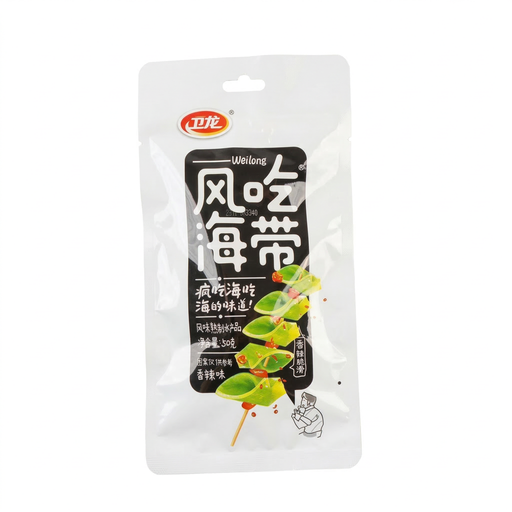
Why we chose it: Ideal for a risk-free first taste. This format lets you discover the firm texture of kelp and the signature spice of Wei Long, a benchmark brand in the category.
The small 50g size allows you to test the spice level and texture at a low cost, preventing the disappointment of a large pack ending up at the back of the cupboard.
A convenient on-the-go format for a quick snack. The tender kelp texture offers a pleasant chew.
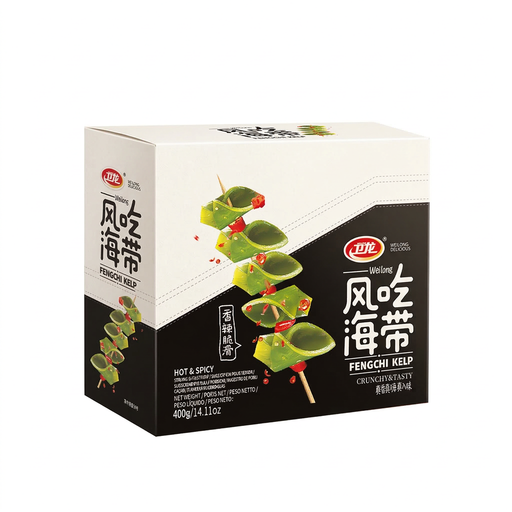
Why we chose it: For those seeking the authentic mala flavour of Sichuan. The complex seasoning with Sichuan pepper, pickled chilli, and ginger offers a depth of taste for discerning palates.
The clear mention of "mala" seasoning and the presence of Sichuan pepper in the ingredients prevent the disappointment of an overly simplistic spice profile. The texture is consistent with what you'd expect from quality kelp.
The economical 400g large format (20 packets) is ideal for connoisseurs or for sharing. A rich, complex, and nuanced flavour.
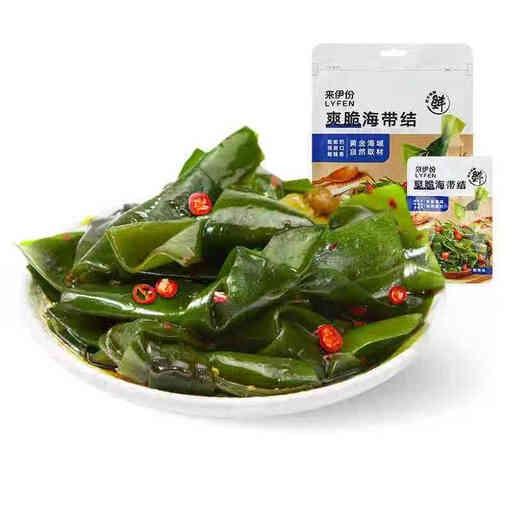
Why we chose it: Perfect for a light and refreshing break. The sweet, sour, and spicy flavour profile is highly appetising, and its crunchy texture stands out from softer strips.
The "sour and spicy" profile is clearly advertised, avoiding the surprise of a purely salty taste. The brand highlights a "crispy and pleasant" texture, a promise delivered by these kelp knots.
A moderate calorie count (68 kcal/100g according to the manufacturer) and no added sugars. The knot format provides a particularly satisfying chew.
We've compiled a complete list of products that meet our demanding selection criteria.
Most ready-to-eat seaweeds are packed in oil and brine, which helps preserve them. Once an individual packet is opened, it's best to consume it quickly. If you open a larger container, transfer the remainder to an airtight container and refrigerate it. Consume within 24 to 48 hours to maintain its texture and freshness.
Generally, kelp itself is low in calories. The total calorie count depends mainly on the amount of oil and sugar used in the seasoning. The values vary, but many of these snacks fall between 35 and 70 kcal per 100g, making them a perfectly reasonable snack option. Always check the nutritional information on the packaging for precise data.
Absolutely. Beyond being an appetiser, these snacks make an excellent side for a Chinese meal. You can add them to a bowl of white rice, stir-fried noodles, or even mix them into a larger salad to add a spicy kick and umami flavour. It's a quick and easy way to elevate a dish.