
Livraison le jour même ou le lendemain

Qualité garantie

Débloquez vos offres de bienvenue: Livraison GRATUITE | Jusqu'à -80 % | 30 jours d'essai gratuits à JoyPlus
Téléchargez l'application
Are you looking for sweet and savoury Chinese snacks for breakfast, a break at the office, or a treat to share? There’s certainly no shortage of options: red bean dorayaki, Chinese buns, taro bread, filled cakes, and even frozen specialities. It’s a great selection, but it can quickly make the decision less straightforward.
When shopping online, three mistakes crop up time and again:
To tell a sweet Chinese treat from a savoury snack, start by identifying the main filling: red bean, taro, black sesame, chestnut, milk, cheese or salted egg yolk.
A red bean dorayaki typically consists of two soft discs sandwiched together with a sweet filling. Filled buns and Chinese breads can offer a yeasted dough, a stretchy texture or a creamier centre. On the savoury side, shredded meat bread and spring onion pancake offer very different profiles.
The ingredients list remains your best guide: they are generally listed in descending order of quantity. Also check whether it’s a real legume paste, a flavoured preparation, or a blend enriched with oils and syrups.
Ready-to-eat snacks, sold in individual portions, are especially handy for students, busy professionals, or meals on the go. Larger packs, such as a 1 kg box of bread, are better suited for sharing, provided you manage storage well after opening.
Frozen Chinese specialities must be kept at –18 °C or below and should never be refrozen after thawing. A taro bun or spring onion pancake can be prepared by steaming, pan-frying or simply reheating. In every case, follow the instructions printed on the packaging.
When you’re torn between several options, compare the nutritional values per 100 g. The energy content, fat, carbohydrates, sugars and salt will help you place each product in the context of your usual diet, without making it a health promise.
Checking for allergens is essential before you buy. In this selection, wheat (containing gluten), milk, egg and soya appear frequently. Sesame, peanuts and tree nuts may also be present, or mentioned as possible traces. If you have an allergy, check the label on the delivered product: the composition and warnings can change.
The recommendations below take into account the format, taste and intended use. They are based on the available information about the presentation, composition and storage of each item.
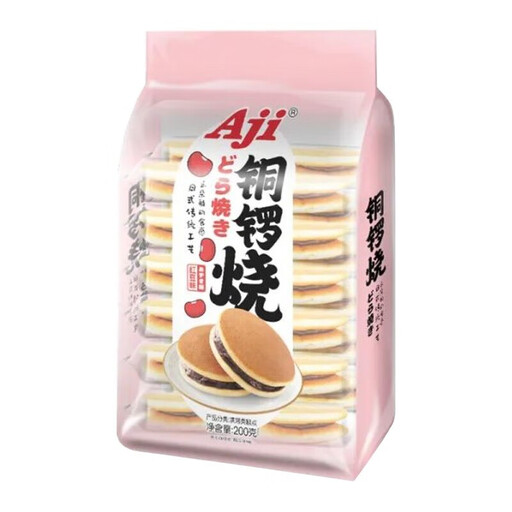
Why this choice suits this profile: With its 200 g split into 16 portions, this product lets you discover dorayaki and its red bean filling without having to buy a large format straight away.
The number of portions and the composition are clearly stated. Before opening, the product keeps in a cool, dry place; once opened, store it in an airtight container.
A shareable format, a well-defined red bean flavour, and storage at room temperature before opening.
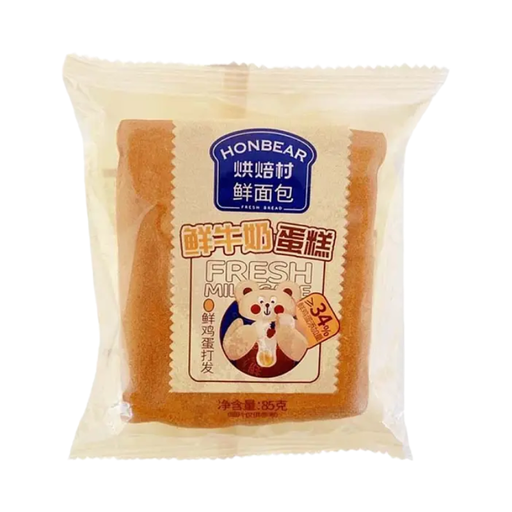
Why this choice suits this profile: This individual portion combines a soft texture with a stated content of at least 34% fresh egg and 3% fresh milk.
The highlighted proportions are quantified on the product page, so they don’t rely solely on a promise of milky flavour.
An 85 g format, individual packaging, and the option to heat it for around 15 seconds in the microwave.
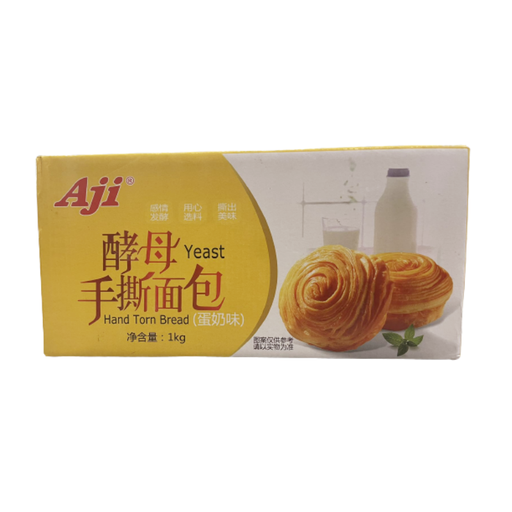
Why this choice suits this profile: Its 1 kg pack and individually wrapped portions are designed for an office, a family, or regular snack breaks.
The total weight and stated number of portions make it easy to estimate the cost per portion and avoid constantly opening the main bag.
A tear-apart bread texture, a stated egg-milk aroma, and a large format ideal for repeat purchases.
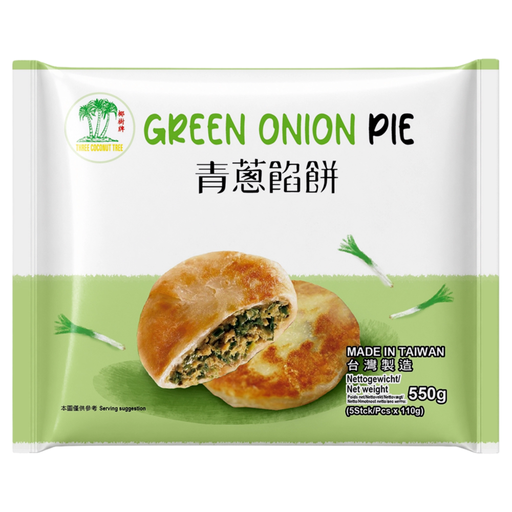
Why this choice suits this profile: This frozen savoury speciality contains five pieces, perfect for a light lunch or a shared appetiser.
The cooking methods are specified: pan-frying, steaming or reheating. You just need to make room in the freezer and never refreeze the product after thawing.
Five portions, a filling of spring onion and soya protein, and preparation that adapts to whatever equipment you have.
We’ve compiled a full, real-time updated selection of products that meet these exacting criteria and European food safety regulations.
Individual portions, such as a Chinese milk bread, a Chinese cake or a dorayaki, are easy to enjoy with a hot drink. For a family or an office, a multi-portion pack will often be more practical. Just remember to check the best-before date and the storage conditions after opening.
Start by following the instructions on the packaging. A refrigerated or room-temperature product can sometimes go in the microwave for a few seconds. Frozen items are usually prepared by steaming, pan-frying or according to the manufacturer’s directions. Be careful: let the steam escape before biting into a still-hot filling.
It all depends on the recipe and the packaging. Dry products keep in a cool, dry place, preferably in an airtight container after opening. Frozen products must stay in the freezer until you’re ready to prepare them. To preserve their texture and freshness, eat opened portions quickly and always refer to the product label.