
Livraison le jour même ou le lendemain

Qualité garantie

Débloquez vos offres de bienvenue: Livraison GRATUITE | Jusqu'à -80 % | 30 jours d'essai gratuits à JoyPlus
Téléchargez l'application
Sometimes, all it takes is a little Chinese sesame paste to transform a hot pot, cold noodles or salad. You just need to choose the right product. Pure paste, ready-seasoned sesame sauce or sesame-flavoured instant noodles: the ingredients, texture and format can completely change the result on your plate.
Before placing your order, three potential pitfalls deserve your attention:
For a versatile sesame paste, start by reading the ingredients list. Wangzhihe Pure Sesame Paste 225g and CUIZI Sesame Paste 300g list sesame as the sole ingredient. This type of Chinese tahini can be used as the base for a hot pot dipping sauce, a noodle dressing or a vinaigrette.
Other products are already designed as sesame sauces. ChaoWang Sesame Seasoning 430g contains 65% roasted sesame seeds, vegetable oil, salt, sugar and spices, among other ingredients. It is more convenient for seasoning a dish directly, but you will have less control over the amount of salt or chilli you add yourself.
Remember to check the allergens too: sesame must be clearly highlighted in accordance with European food information regulations. Some recipes also contain peanuts, soya, wheat or celery.
A very thick paste can be difficult to mix into noodles or a hot pot sauce. On the other hand, this dense texture may be ideal for spreading on toast, adding to a filling or preparing a rich, concentrated sauce.
To achieve a smooth, even mixture, work through these steps:
Wangzhihe specifically recommends mixing the paste with warm water, light soy sauce and vinegar. For sesame paste intended for Chinese hot pot, this method creates a consistency that works well with vegetables, mushrooms, beef or dumplings.
A 160 g jar is ideal for trying this condiment or using it occasionally. If you eat it regularly, a 280 to 454 g format means you will not need to buy a new jar so often.
After opening, most pure pastes should be stored in the fridge. Recommendations vary by manufacturer: CUIZI advises consuming its 300 g jar within two months of opening, while Sanfeng also recommends keeping it chilled, with the precise shelf life to be checked on the packaging. In all cases, follow the date and instructions shown on the product you receive.
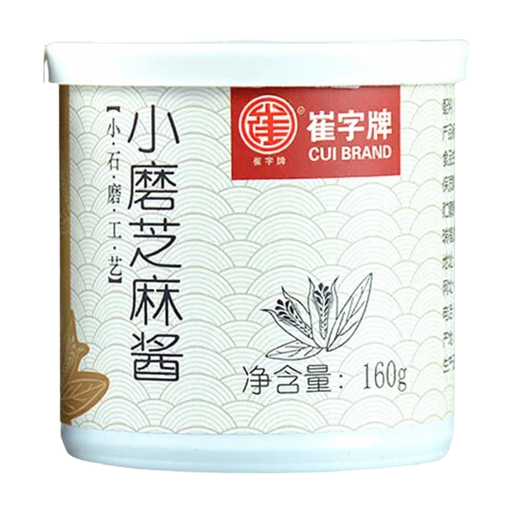
Why this product suits this profile : Its 160 g format lets you try sesame paste in noodles, with vegetables or spread on toast, without building up a large stock.
The product details list sesame as an ingredient and specify that it can be used directly or diluted. Its role as a sauce base is therefore clearly established.
Compact 160 g format, a creamy texture described by the manufacturer and suitable for use with cold noodles, vegetables or hot pot.
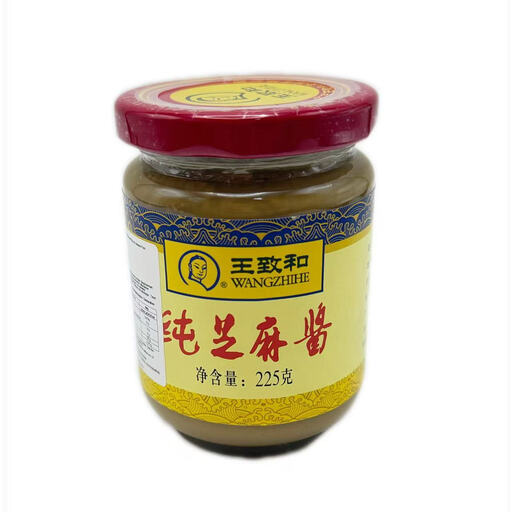
Why this product suits this profile : This 100 % sesame paste is ideal for those who prefer to make their own sauce and adjust the acidity, saltiness and consistency precisely.
The quantitative declaration states 100 % sesame, with no pre-seasoned recipe to restrict your options.
225 g jar, a clearly stated single ingredient and instructions for preparing hot pot sauces, cold noodles or vinaigrettes.

Why this product suits this profile : At 430 g, this jar is well suited to households that regularly prepare sauces, marinades, stir-fries or side dishes.
The ingredients list roasted sesame, oil, salt, sugar and spices: this is clearly a fully prepared seasoning.
Large 430 g format, advertised for use in dipping sauces, marinades, stir-fries and vinaigrettes.
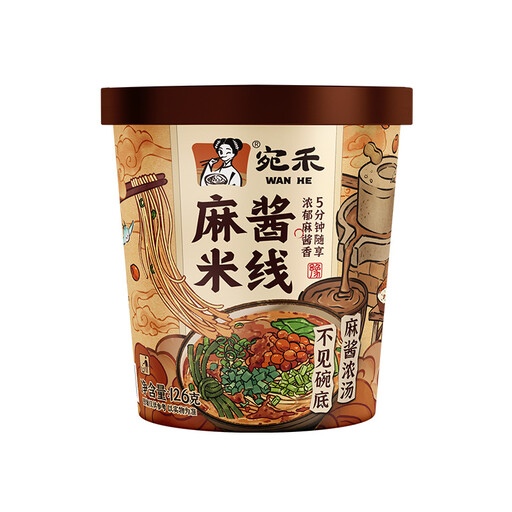
Why this product suits this profile : This individual bowl is easy to take to work for lunch or keep in the cupboard as a standby meal. It is simple to prepare with boiling water.
The separate sachets let you adjust the chilli oil, vinegar and peanuts to suit your taste.
126 g format, preparation in five minutes and clearly stated allergens: peanuts, sesame, soya and wheat.
We have put together a complete, real-time selection of products that meet these demanding criteria, while also taking European food safety regulations into account.
Add a little warm water while stirring. To give the sauce more flavour, then add soy sauce, rice vinegar, garlic or chilli oil. Adding the liquid gradually will help you avoid making the mixture too runny.
Keep it in the fridge if the label recommends this, and close the lid securely after each use. Oil separation is natural in many cases: simply mix the paste before using it. For the exact storage period, check the packaging, as this depends on the recipe and manufacturer.
No. Some products contain sesame only, while others combine sesame paste with peanut butter. Always check the ingredients list and allergen declaration, particularly for instant noodles and sauces intended for hot pot.