
Livraison le jour même ou le lendemain

Qualité garantie

Débloquez vos offres de bienvenue: Livraison GRATUITE | Jusqu'à -80 % | 30 jours d'essai gratuits à JoyPlus
Téléchargez l'application
Looking for a Chinese sesame paste for hot pot, noodles or an Asian salad? At first glance, the choice may seem straightforward. However, not all products are designed for the same purpose. From concentrated paste and ready-seasoned sauce to sesame-flavoured instant noodles, the texture, ingredients and preparation method can vary considerably.
Before placing your order, keep these three potential pitfalls in mind:
For a versatile preparation, check where sesame appears in the ingredients list. The CUIZI Sesame Paste 300g, for example, lists “SESAME” as its only ingredient. The Wangzhihe Pure Sesame Paste 225g also contains 100% sesame. These formats allow you to prepare your own hot pot sauce, adjust the acidity or control the amount of salt precisely.
By contrast, ChaoWang Sesame Seasoning 430g contains 65% roasted sesame seeds, along with vegetable oil, salt, sugar and spices. It can be used straight away as an Asian sesame condiment, in a marinade or with noodles, without adding extra preparation steps.
You should also take care with peanut-based blends. HAIDILAO paste combines 80% peanut butter with 20% sesame paste. Its flavour is creamier and rounder, but it is not a pure sesame paste. If you have an allergy, always check the allergen information highlighted on the packaging.
A thick paste is ideal for sesame paste for Chinese hot pot, a dumpling sauce or cold noodles. To thin it, gradually add warm water while stirring. Wangzhihe specifically recommends combining it with hot water, light soy sauce and vinegar.
A ready-formulated sauce, such as ChaoWang, is better suited to anyone who wants to season vegetables, stir-fries or a salad quickly. Liquid sauces, such as those in the Yamamori range, are even easier to pour, but their composition differs: this product contains 7% roasted sesame seeds, soy sauce, sugar and vinegar.
For occasional use, a 160 g jar, such as Cuizipai Sesame Pate, reduces the risk of leaving the opened product unused for too long. Sizes from 225 to 300 g offer a good compromise if you regularly prepare sesame sauce for noodles or hot pot at home. A 430 g jar is better suited to a household that cooks Asian food often or regularly entertains.
Nutritional values can also help you compare recipes, provided you do not read more into them than they actually indicate. ChaoWang lists 1 250 mg of sodium per 100 g, compared with approximately 15 mg per 100 g for Cuizipai 160 g. These figures do not directly correspond to the amount consumed in one serving, but they do help distinguish a plain paste from an already salted seasoning.
After opening, most pastes should be kept in the refrigerator. Read the label of your chosen product, use a clean utensil and follow the stated use-by date. If you have an allergy, also check for possible traces and whether the product was made in facilities shared with peanuts or soya.
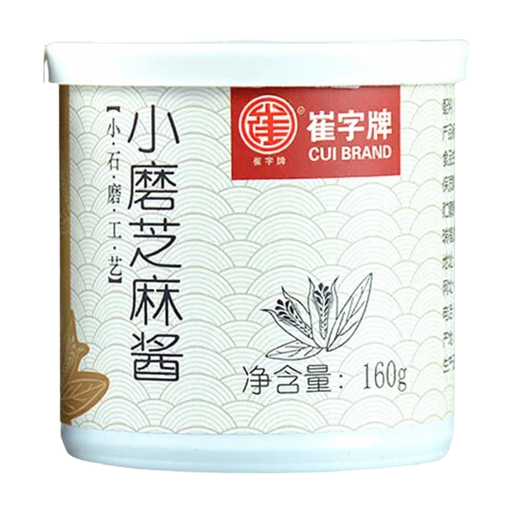
Why this choice suits this profile: Its 160 g size is ideal for trying sesame paste for the first time or for a small household that occasionally prepares hot pot, vegetables or cold noodles.
The ingredients list contains sesame only, with no pre-salted sauce or complicated blend to decipher.
Compact size, sesame as the sole ingredient, and suitable for use as a spread or diluted sauce.
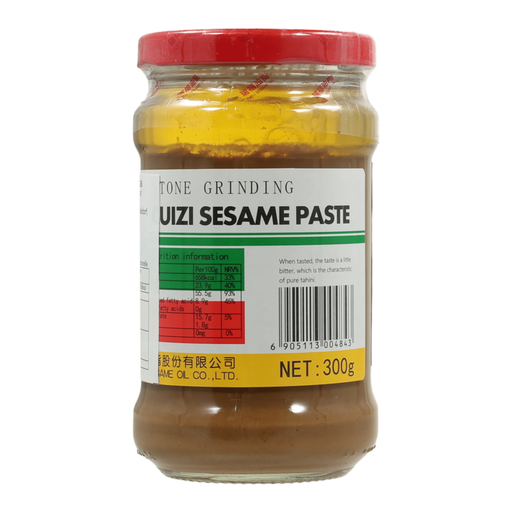
Why this choice suits this profile: Anyone who appreciates a carefully crafted texture and a pronounced sesame flavour may want to try this paste, which is described as being ground using a traditional stone-milling method.
The ingredients list is short, and the label explains that the oil may separate naturally, so this can be recognised as a normal occurrence rather than a defect.
300 g, sesame as the only listed ingredient, and suitable for hot pot sauces, salads and cold noodles.

Why this choice suits this profile: Its 430 g size is well suited to regular cooking, group meals and recipes where a ready-seasoned sauce saves time.
This is a blended seasoning, not a plain paste that can be used everywhere without adapting it.
65% roasted sesame seeds, spices and uses suited to marinades, stir-fries and sauces.
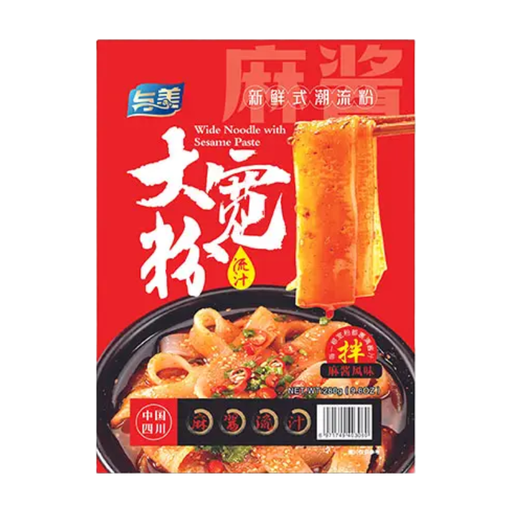
Why this choice suits this profile: This dish lets you discover the flavour of sesame without buying a separate jar or preparing a sauce from several ingredients.
The size and instructions clearly indicate that this is an instant preparation, with sauce included rather than a paste to cook with.
280 g, wide noodles and a preparation method that involves cooking them before mixing with the sesame sauce.
We have put together a complete, real-time updated selection of products that meet these strict selection criteria and European safety requirements.
Mix one or two spoonfuls of paste with a little warm water, then add soy sauce, rice vinegar, garlic or spring onion, according to taste. Add the liquid gradually until you achieve a fairly fluid texture, ideal with vegetables, mushrooms, noodles or thin slices of meat.
Both products are made from ground sesame seeds, but the roasting, texture and culinary uses may vary. Chinese tahini is often served with hot pot, cold noodles and sauces. To make the right choice, rely on the ingredients and usage advice rather than the product name alone.
The shelf life varies by product. Some labels recommend storing the product in the refrigerator and consuming it within two months, as with CUIZI Sesame Paste. Stir the contents before use, close the jar carefully and always follow the instructions on the packaging.