
Livraison le jour même ou le lendemain

Qualité garantie

Débloquez vos offres de bienvenue: Livraison GRATUITE | Jusqu'à -80 % | 30 jours d'essai gratuits à JoyPlus
Téléchargez l'application
Preparing an Asian recipe at home does not necessarily require a long list of ingredients. A ready-to-use Chinese seasoning can combine chilli, Sichuan pepper, ginger, garlic, fermented bean paste and spices in a single sachet. The key is choosing the preparation that best suits your dish, your tolerance for spice and any dietary requirements.
Products marketed as “authentic”, “traditional” or “restaurant-style” are not all created equal. To avoid disappointment, examine the ingredients, instructions and storage requirements rather than relying solely on the appearance of the packaging.
A Chinese hot pot base or spicy Chinese broth generally needs to be diluted and brought to the boil. By contrast, some sauces are designed to accompany food that has already been cooked. Using a concentrated base as a dipping or finishing sauce can result in a dish that is far too salty, oily or intensely spicy.
Always check the recommended quantity of water or broth. Some hot pot bases, for example, specify between 500 and 1,200 ml of liquid, depending on the format and the desired intensity.
The term Sichuan refers to a family of flavours, but it does not indicate the level of heat. A preparation may focus primarily on the distinctive numbing sensation of Sichuan pepper, or contain mostly chilli and oil.
To choose a Sichuan sauce that suits your needs, look for chilli, Sichuan pepper, garlic, ginger, fermented bean paste or fermented vegetables in the ingredients list. The order in which the ingredients appear also provides a useful indication of their relative prominence in the recipe.
Concentrated preparations often contain salt, oil and fermented ingredients. As a guide, Hao Ren Jia beef and lamb hot pot base contains 24.6 g of salt per 100 g, while the spicy base in individual blocks lists 9.95 g per 100 g. These figures cannot be compared directly without taking dilution into account, but they demonstrate why reading the label matters.
In France, pay particular attention to soya, wheat or gluten, sesame, peanuts, milk and sulphites. If you have an allergy, rely on the labelling of the product you receive: that is the authoritative source, not the online product description.
A good Chinese seasoning for fish should not be chosen in the same way as a Sichuan hot pot base. For a fish dish, look for a preparation that clearly specifies the intended recipe: hot-and-sour fish, green pepper fish or mala fish. Some products also contain starch, which helps coat the fillets and thicken the broth.
For meat, a meat and fish sauce may work across several recipes. The preparation method remains decisive, however: a marinade, a slow-cooked dish and a broth seasoning will not produce the same result.
Individual blocks make portioning easy for a meal serving two or four people. Hao Ren Jia Spicy Hot Pot 360 g is divided into 4 portions of 90 g and recommends one block for 500 to 800 ml of water or broth. This format minimises leftovers and reduces the risk of getting the proportions wrong.
By contrast, a 210 or 220 g sachet is better suited to a larger gathering or a family-style recipe. Simply make sure you have a sufficiently large pot and follow the stated proportions.
Pastes and bases containing oil, aromatics or fermented vegetables often need to be resealed and refrigerated after opening. Also check the best-before date printed on the packaging. A preparation intended to be cooked should not be eaten as supplied unless the instructions explicitly state otherwise.
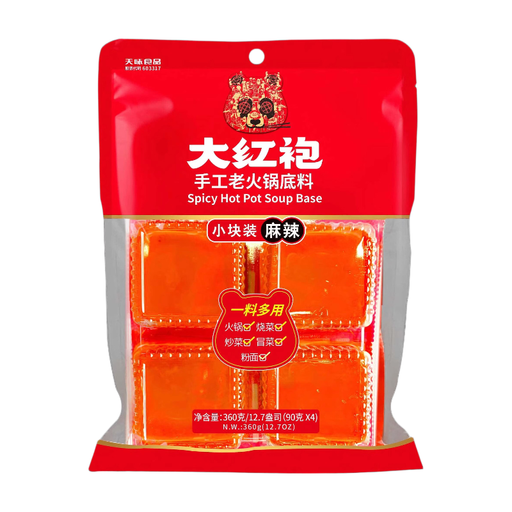
Why this format works: Its four 90 g portions make it easy to prepare several meals at home without opening a large quantity all at once.
The block format helps prevent you from adding an entire concentrated base to a small quantity of broth.
360 g format in 4 × 90 g portions, with fermented bean paste, garlic, ginger and traditional spices. Contains soya and wheat.
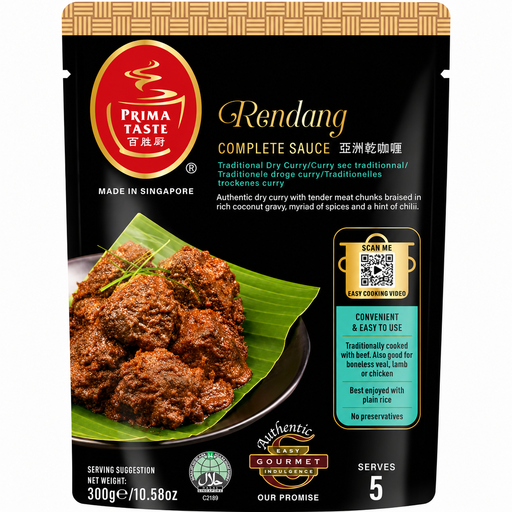
Why this format works: This rendang sauce is ideal for cooks who want to prepare a slow-cooked Indonesian dish with a richly layered aromatic base already in place.
The product details set out a complete preparation featuring coconut milk powder, chilli paste, galangal and lemongrass.
300 g jar with an aromatic profile combining coconut, chilli, shallot, garlic, ginger and spices. Contains milk, soya and wheat, among other ingredients.
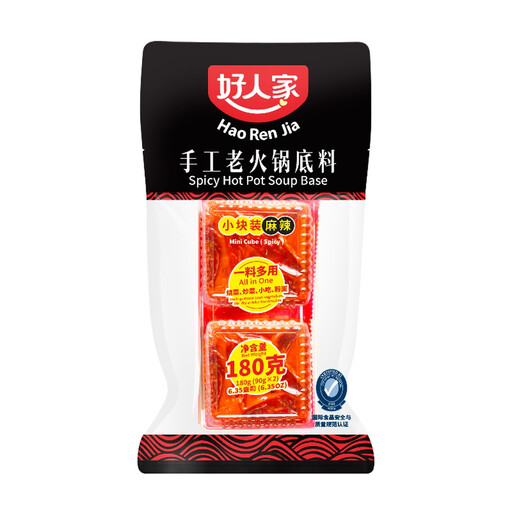
Why this format works: The two individual blocks make it easy to switch between hot pot, mala tang and spicy slow-cooked dishes.
The recommended measure is one 90 g block for 800 to 1,000 ml of liquid, or half a portion for another preparation.
Two 90 g blocks containing chilli, Sichuan pepper, black bean paste, garlic, ginger and spices. Contains soya.
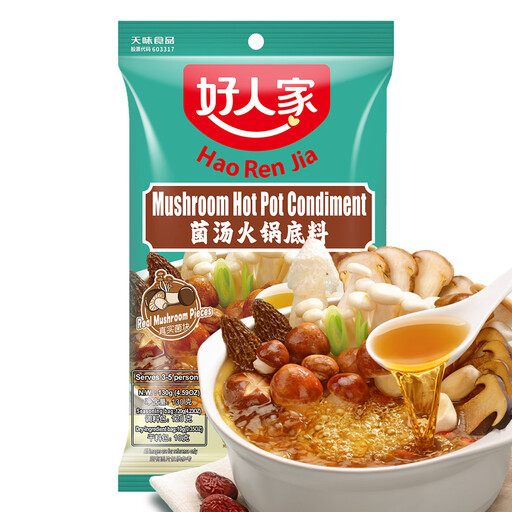
Why this format works: This mushroom base makes it easy to prepare a hot pot with tofu, vegetables, noodles and other meat-free ingredients.
The recipe draws on the deep umami character of mushrooms rather than suggesting a meat-based broth.
A blend of shiitake, oyster, enoki and wood ear mushrooms. The product details mention the presence of soya.
We have brought together an up-to-date selection of products to help you compare Asian cooking preparations by dish type, format and ingredients.
For hot pot, dilute the base in water or broth, bring it to the boil, then leave it to simmer for a few minutes before adding the ingredients. Thinly sliced beef or lamb, tofu, mushrooms and vegetables cook quickly.
When using a Chinese seasoning for fish, gently fry the paste in a little oil to release its aromas. Then add the water or broth, followed by the fish fillets. Cook until the fish is thoroughly done, taking care not to let it break apart.
Chinese spices can also add depth to braised meat, noodles or stir-fried vegetables. Start with a moderate quantity, taste after dilution, then adjust as needed with water, unsalted broth or vegetables.
A 360 g format divided into portions is practical if you regularly prepare sociable meals. For your first attempt, choose a base with clearly stated water measurements and have some neutral ingredients on hand to balance the broth.
Yes, some bases designed for fish also work well with tofu, prawns or vegetables. However, check the cooking method and allergen information. A sauce intended to be diluted should not be applied directly, and in large quantities, to an ingredient.
Follow the instructions on the packaging. In practice, opened pastes and bases often need to be refrigerated in a sealed container and used promptly. Before each preparation, check their appearance, smell and the integrity of the packaging.