
Livraison le jour même ou le lendemain

Qualité garantie

Débloquez vos offres de bienvenue: Livraison GRATUITE | Jusqu'à -80 % | 30 jours d'essai gratuits à JoyPlus
Téléchargez l'application
A successful Chinese hot pot depends as much on the quality of the ingredients as on your choice of seasoning. The difficulty is that Chinese sauces and hot pot bases do not always refer to the same thing. They may be a ready-to-serve dipping sauce, a concentrated stock base or a chilli oil designed to add extra flavour to dishes.
Before adding anything to your basket, check these three points to avoid any surprises.
A Chinese hot pot sauce is generally served in a small bowl alongside meat, vegetables, noodles or dumplings. It is not used like a Chinese hot pot stock base, which must be diluted in water before being brought to the boil.
A ready-to-use sauce can, however, be served with noodles or added to a stir-fry. Conversely, a hot pot base requires a precise volume of water. Always check the instructions before buying.
The heat level alone does not describe the flavour profile. Sichuan mala sauce generally combines chilli with the slightly numbing sensation of Sichuan pepper. Chinese chilli oil, meanwhile, can be highly aromatic without being a complete stock.
For a sociable meal, a mild base or a sauce served separately allows everyone to adjust their own bowl. If you are looking for more pronounced flavours, look for chilli, Sichuan pepper, broad bean paste or fermented beans in the ingredients list.
Hot pot sauces and bases often contain peanuts, sesame, soya and wheat. Check the French or European labelling carefully, especially when several guests are sharing the meal.
After opening, many products must be refrigerated and consumed quickly. A sauce supplied in a sachet or small jar may be more practical if you only cook occasionally. For regular hot pots, a family-sized pack will generally be more suitable.
To prepare stock without guesswork, check the recommended ratio. Some 200 g Liuyishou bases are intended for around 600 g of water, while the 200 g red version specifies 1 000 g of water. This difference directly affects the intensity and volume of the stock.
A sauce for Chinese dumplings or Chinese noodles generally requires no cooking. Pour it directly over your food, mix it into noodles or use it as a condiment.
Bases made with beef tallow and those prepared with vegetable oils offer different textures and levels of richness on the palate. As an indication, the 200 g Liuyishou Chongqing base contains 64,7 g of fat and 7,2 g of salt per 100 g, according to the product information. The rapeseed oil version lists 61,6 g of fat and 5,6 g of salt per 100 g.
These figures do not, on their own, allow the products to be ranked. They are mainly useful for choosing a base that suits your habits and the quantity you plan to use. In every case, a concentrated base must be diluted according to the instructions on the label.
A 75 g sachet may be suitable for one or two portions, while a 500 g pack is better suited to family meals or storage. For a dipping sauce, a 110 to 140 g jar lets you try a recipe without building up leftovers.
Versatility matters too: a Chinese chilli sauce can be served with dumplings, added to rice or used as the base for a stir-fry. A great way to make the most of it every day.
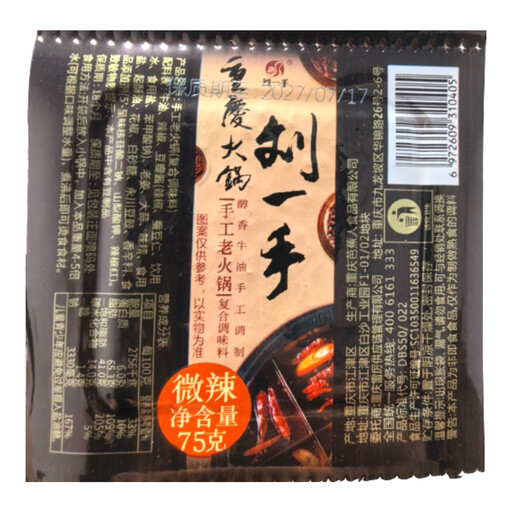
Why this product suits this profile : Its small size and moderate heat make it an easy introduction to making Chinese hot pot at home. The sachet is intended for around 800 g of water and 1 to 2 portions.
This is a base to dilute, not simply a dipping sauce. The instructions specify the quantity of water and how to bring it to the boil.
75 g pack, described as mildly spicy, with chilli, broad bean paste, ginger and Sichuan pepper. Contains soya and gluten.

Why this product suits this profile : This dipping sauce combines peanuts, sesame and pickled chives. Everyone can create their own sauce directly in their bowl.
The “ready to eat” label prevents it from being confused with a stock base. It can also be used to season noodles or stir-fries.
120 g, with a peanut and sesame texture, for hot pot, barbecue, noodles and stir-fries. Allergens : peanuts, sesame, soya and mustard.
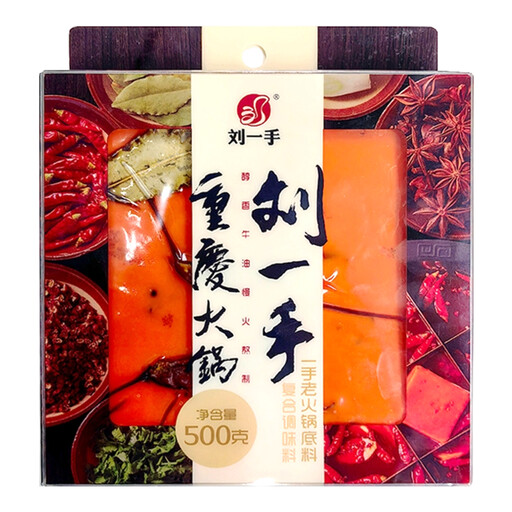
Why this product suits this profile : Its family-sized pack is ideal for frequent meals, large gatherings and dishes such as hot pot, malatang or maocai.
The ratio is clearly stated : 500 g of base for 1 500 g of water. This allows you to calculate the required volume of stock before the meal.
Large pack, beef tallow base, chilli, broad bean paste and Sichuan pepper. Contains soya and may contain peanuts and sesame.
We have put together a complete, regularly updated list of products that fully meet these strict selection criteria and European safety regulations.
For a hot pot, prepare the stock in a suitable pan, then gradually add the meat, fish, tofu, mushrooms, vegetables and noodles. Serve dipping sauces in small bowls so everyone can adjust the heat and intensity to suit their preferences.
Chinese chilli oil is particularly good with dumplings, noodles and blanched vegetables. Mala sauce can also add extra flavour to a stir-fry, but its salt content means you should go easy on the soya sauce and salt. For Chinese barbecue sauce, check whether it is intended for marinating, glazing or serving at the table.
After opening, follow the instructions on the packaging : some products must be refrigerated and consumed quickly. Always use a clean spoon to minimise contamination, then seal the jar or sachet carefully.
It depends on the product. The products reviewed specify, for example, 75 g for around 800 g of water, or 200 g for 600 to 1 000 g of water. Follow the product instructions rather than relying on a one-size-fits-all ratio.
Yes, provided the label states that it is ready to use or suitable for noodles. Sesame, peanut, chive and chilli sauces work well with both cold and hot noodles. Start with a small amount, as they can be high in salt.
The shelf life depends on the ingredients and the manufacturer’s instructions. Where indicated, refrigerate opened sauce and consume it within the period stated on the packaging. As a precaution, do not eat a product if its smell, colour or texture seems unusual.