
Livraison le jour même ou le lendemain

Qualité garantie

Débloquez vos offres de bienvenue: Livraison GRATUITE | Jusqu'à -80 % | 30 jours d'essai gratuits à JoyPlus
Téléchargez l'application
The Chinese salted plum, or huamei, is much more than a simple treat. It's a complex flavour—a childhood memory for some, a bold discovery for others. This unique blend of sweet, salty, and sour makes it a truly distinct Chinese appetiser. The problem is, the online selection is a real maze, and it's easy to end up with a disappointing product. Before buying salted plums, it's best to know the most common pitfalls to make the right choice.
Customer reviews often point to three major disappointments:
To avoid these unpleasant surprises, you just need to check two or three key points on the product details. These clues will help you choose the sweet and salty dried plum that you'll truly enjoy.
The taste of a preserved plum depends above all on the original fruit and its preparation.
It's the preparation method that creates all the complexity. The salting and drying process concentrates the flavours, while the final additions (liquorice, honey, mild chilli) define the treat's final character.
This is the best indicator of the taste that awaits you. Pay close attention to the sweetening agents.
Packaging has a direct impact on preservation and enjoyment.
Rather than searching for THE perfect product, it's better to find the one that fits a specific craving. Here is our selection for three types of enthusiasts.
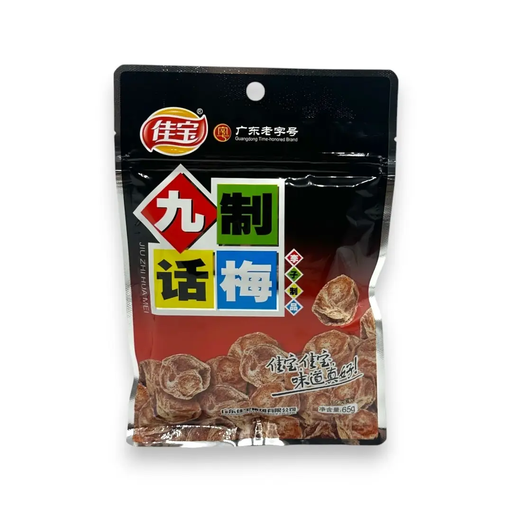
Why we chose it: This small size is perfect for sampling the classic flavour profile of liquorice-preserved plum without committing to a large quantity. It's the ideal entry point for the curious.
The flavour is balanced, with a noticeable presence of liquorice that complements the fruit without being overpowered by excessive sweeteners. The texture is firm and pleasant.
A renowned brand known for its respect for traditional flavours. The 65g size is convenient and limits waste if you just want to try it.
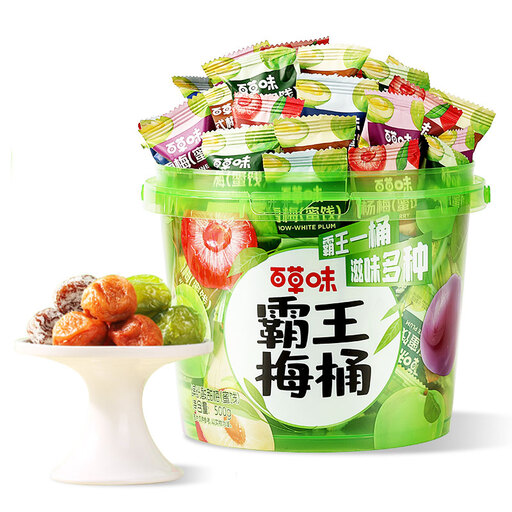
Why we chose it: For those who already know and love these treats, this bucket is an excellent option. It contains an assortment of five varieties, perfect for enjoying some variety or for sharing as an appetiser.
It solves the naming puzzle by offering a clear assortment (Snow Plum, Suzhou Plum, etc.). No more monotony!
The bucket contains about 70 individual packets, which guarantees optimal freshness with every snack and makes sharing easy.
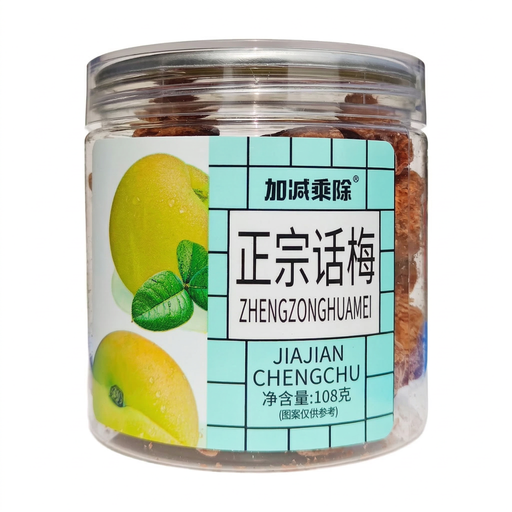
Why we chose it: The glass jar packaging is no accident. It's often reserved for products where preserving the aromas and texture is paramount. This product is aimed at those seeking a more intense and authentic taste experience.
The jar protects the plums from moisture and air, preventing them from becoming dry or mushy. The ingredient list aims for a traditional and complex flavour profile.
The jar is reusable and practical for storage at home or in the office. The added bonus? The product can also be infused in water to make a refreshing drink.
Salted plums can be a surprising gift full of personality. If you're looking for other presents that are off the beaten path, we've compiled a selection to inspire you.
They are completely different. The Agen prune is a dried d'Ente plum, known for its very soft texture and purely sweet taste. It's eaten as a dried fruit or used in baking and cooking. The Chinese salted plum is a processed product, a type of savoury confection. Its flavour is a complex balance of salty, sweet, and sour, and its texture is generally firmer, even chewy.
To preserve their texture and flavour, it's best to store them in an airtight container, away from light, moisture, and heat. If they are in a resealable bag, make sure to seal it tightly. Individual packets or jars remain the most practical formats for long-term storage.
Yes, it's a treat with a very distinct character. The first taste can be surprising if you're not used to it. The intensity of the salt, sugar, and acidity varies greatly from one brand to another. Some are very salty, while others are milder with notes of liquorice or honey. It is precisely this complexity that makes it such a beloved Asian treat.