
Livraison le jour même ou le lendemain

Qualité garantie

Débloquez vos offres de bienvenue: Livraison GRATUITE | Jusqu'à -80 % | 30 jours d'essai gratuits à JoyPlus
Téléchargez l'application
Chinese roasted sunflower seeds have plenty going for them: a satisfyingly crunchy texture, distinctive seasonings and a rather addictive ritual of cracking the shell before enjoying the kernel. They are just as well suited to a film night as to an evening with friends or an adventurous Asian-style appetiser.
However, be wary of the claims displayed on the packets. A flavour described as “light” may contain sugar, sweeteners or a considerable amount of salt. Larger packs can also quickly lose their crunch once opened. Before placing your order, it is worth keeping three common pitfalls in mind.
Flavoured sunflower seeds may combine salt, sugar, maltodextrin, flavourings and flavour enhancers. A cheese recipe may contain cheese powder and therefore milk. A pecan reference may indicate the presence of nuts, even when only a very small amount is used.
Descriptions such as “honey and butter”, “coconut” or “cream” primarily convey a flavour promise. They do not guarantee that the named ingredient is used in the greatest quantity in the recipe. Take the time to read the ingredients list, which is arranged in descending order, along with the highlighted allergens.
Seeds are naturally high in energy. For the products reviewed, figures generally range from 580 to 630 kcal per 100 g, depending on the recipe and the calculation method used. Salted versions may also have a high salt content.
A 108 g, 145 g or 160 g packet obviously does not represent the same amount to share. To avoid snacking without keeping track, serve a portion in a bowl rather than eating straight from the packet.
Humidity is enough to soften the seeds and dull their flavours. Packaging generally recommends storing them in a cool, dry place, away from sunlight and heat, then carefully resealing the packet after each opening.
Family-sized 350 g or 500 g formats, like packs containing three packets, make more sense for regular use or sharing with several people. If you rarely eat this type of Chinese snack, several smaller packets will help minimise waste.
For a classic recipe, check that the main ingredients are sunflower seeds, salt and spices. More unusual versions may include liquorice, star anise or fennel. Roasted pumpkin seeds with green tea, for example, combine pumpkin seeds, salt and green tea powder.
Sweet-and-savoury recipes, such as coconut, caramel or honey-and-butter sunflower seeds, may contain sugar, sweeteners and various flavourings. Compare the “of which sugars” line with the ingredients list instead of relying solely on the picture on the packet.
Products containing butter, milk or cheese should be avoided if you have the relevant allergy. Some packaging also indicates the possible presence of traces of peanuts, soya, wheat, egg, sesame or nuts, due to production on shared equipment.
The ChaCha cheese product specifically indicates the presence of milk and the possibility of traces of nuts, peanuts, soya, wheat and sesame. The pecan version mentions nuts, while milk may be present in trace amounts. Always check the French labelling supplied with the product: its presentation may change over time.
The expression “Chinese melon seeds” sometimes appears in product titles as a result of an approximate translation. In several of the products featured here, it actually refers to roasted sunflower seeds, not melon seeds. The product page and ingredients list remain the most reliable sources.
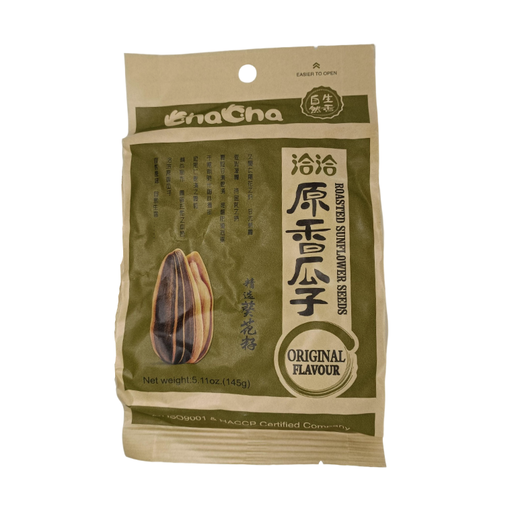
Why this choice suits this profile : A straightforward recipe, ideal for discovering the ritual of roasted seeds before moving on to sweeter or spicier flavours.
The stated ingredients are limited to sunflower seeds, salt and water, making the label particularly easy to understand.
A 145 g packet ready to enjoy, with a stated energy value of 580 kcal per 100 g.
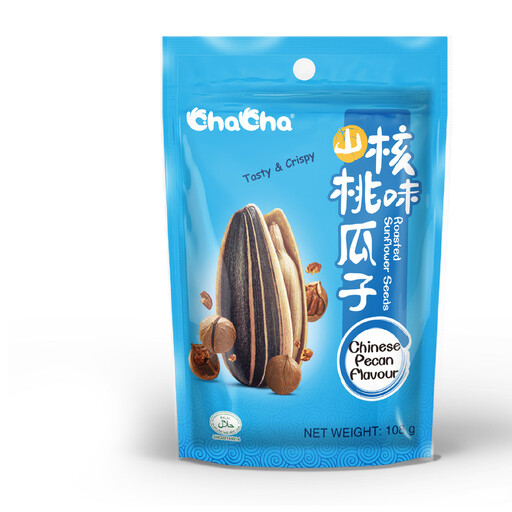
Why this choice suits this profile : Pecan gives traditional seeds a more sophisticated twist, for an Asian-style appetiser that is anything but ordinary.
The product details specify that pecan accounts for 0.3 % of the recipe and provide full allergen information, rather than letting the flavour alone influence your purchase.
An individual 108 g packet, with 29 g of protein and 1 g of salt per 100 g according to the supplied labelling.
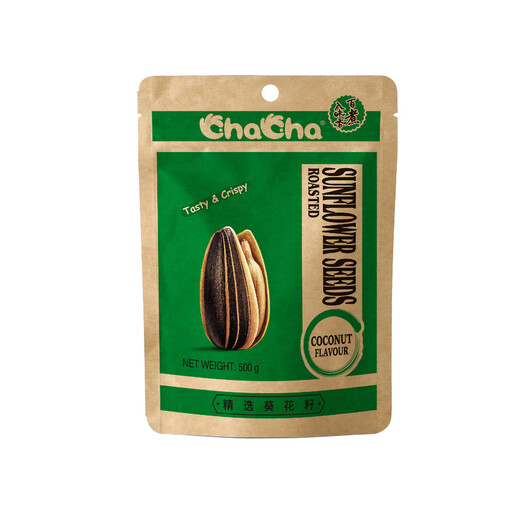
Why this choice suits this profile : At 500 g, this format is designed for parties, shared offices and anyone who already knows they enjoy coconut.
The 500 g net weight is clearly displayed : you can therefore compare the price per kilogram instead of focusing only on the packet price.
The product details state 597 kcal, 48 g of fat and 2.4 g of salt per 100 g, with a preparation ready to eat.
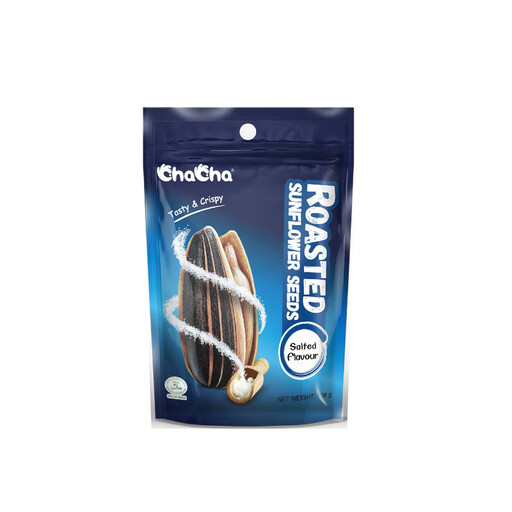
Why this choice suits this profile : A recipe defined by salt, liquorice and star anise, perfect for an appetiser or a long, leisurely tasting session.
The label mentions the presence of sweeteners and advises people with hypertension to avoid excessive consumption.
A 108 g format ready to enjoy, with a stated energy value of 610 kcal and 2.4 g of salt per 100 g.
We have brought together a complete, real-time selection of products that meet these demanding selection criteria and European safety rules.
Yes. The products featured are already roasted and seasoned: simply open the packet. They are generally sold in their shells, so you need to crack the shell with your fingers or teeth before eating the kernel. Follow the warnings on the packaging, particularly for young children, because of the risk associated with shells and whole seeds.
This depends on the use-by date or best-before date shown on the packaging. After opening, reseal the packet as tightly as possible and store it in a dry place at room temperature. An unusual smell, a softened texture or an altered taste should prompt you to discard the product.
For a first tasting, the original recipe allows you to discover the flavour of the seed without masking it. Coconut sunflower seeds will appeal to fans of sweet, exotic notes. Cheese adds a savoury, creamy touch, while caramel and honey-and-butter are better suited to those who enjoy sweet-and-savoury flavours. In every case, check the amounts of sugar and salt, along with the allergens, before completing your basket.