
Livraison le jour même ou le lendemain

Qualité garantie

Débloquez vos offres de bienvenue: Livraison GRATUITE | Jusqu'à -80 % | 30 jours d'essai gratuits à JoyPlus
Téléchargez l'application
Chinese red dates, also known as Chinese jujubes or jujube fruit, come in several forms. Soft dried fruit, crispy bites, pitted jujubes or sesame-coated preparations – each format serves a specific purpose.
The main pitfall is relying solely on the picture or the word “natural”. A texture that’s pleasant for snacking won’t necessarily work in a soup, while a large economy bag may lose its softness quickly once opened. Here are the criteria to check before placing your order.
The term “red date” can refer to a 100% dried fruit, but also to a processed recipe. Some products contain only jujubes, while others add sugar, maltose syrup, palm oil, honey or sesame seeds.
For an ingredient intended for tea, soups or desserts, start by checking the ingredients list. A product made from 100% jujubes will be more versatile in cooking. Conversely, a bite with added sugar or coating is more like a ready-to-eat snack.
Traditional dried red dates are generally soft and fleshy. Crispy versions offer a light, crunchy texture, but they can quickly soften after opening if they absorb moisture.
Individual or resealable packaging is particularly handy at home, in the office or on the go. In any case, store the bag in a cool, dry place away from light and moisture, and seal it carefully after each use.
Jujubes are naturally sweet, and drying concentrates their sugars even further. Several products exceed 50g of sugar per 100g, even when they contain no added sugar. Crispy products prepared with oil may also have a higher fat content.
So compare the values per 100g, rather than just the bag weight. Those watching their sugar intake or calorie consumption can opt for smaller portions and examine the overall composition.
Start with the ingredients list, presented in descending order. For culinary use, look for a short composition: jujubes, possibly without additives. For more elaborate snacks, check for:
Even if the product page says “allergen-free”, always check the labelling on the product delivered in the UK, especially if you have a nut, soya or sesame allergy.
Xinjiang red dates are prized for their often-thick flesh and sweet taste. However, origin alone doesn’t determine a product’s texture or quality. The format also matters:
For making tea or soup, whole jujubes can be used as they are. Pitted versions, however, make cutting easier and avoid the presence of stones. The terms “pitted” or “machine-pitted” don’t mean you shouldn’t stay vigilant while eating.
The nutrition table helps distinguish natural red dates from richer recipes. As a guide, the Haoxiangni Crispy Gray Jujubes Original Flavour shows 320 kcal and 65g of sugar per 100g, with jujubes listed as the ingredient. Bestore crispy jujubes, meanwhile, show 526 kcal per 100g and contain winter jujube and palm oil.
This information is not medical advice. It simply helps you compare products based on your consumption and dietary habits.
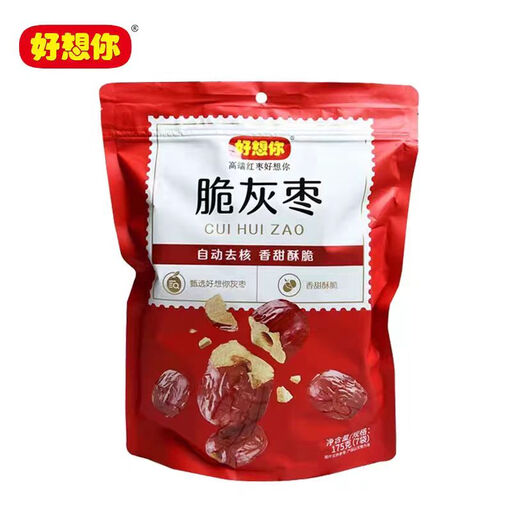
Why this suits this profile: its seven sachets let you discover crispy dates in separate portions, without starting with a large pack.
The page lists jujubes as the ingredient and recommends storing in a cool, dry place. The separate sachets limit loss of crunchiness.
175g total, seven sachets and a promised crispy texture. Stated values: 320 kcal and 65g of sugar per 100g.
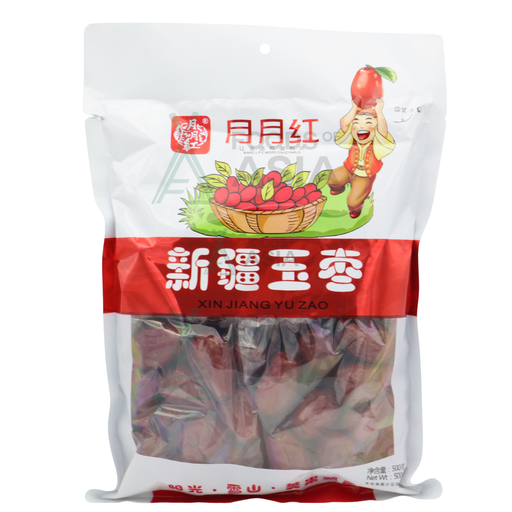
Why this suits this profile: this large format focuses on dried jujube dates, aimed at lovers of fruity flavours and home-style Chinese cooking.
The stated composition is limited to jujubes, with no added sugar or preservatives indicated. Do check the label on arrival.
Stated Xinjiang origin, resealable 500g bag and many uses: tea, porridge, soups, desserts or eating straight from the bag.
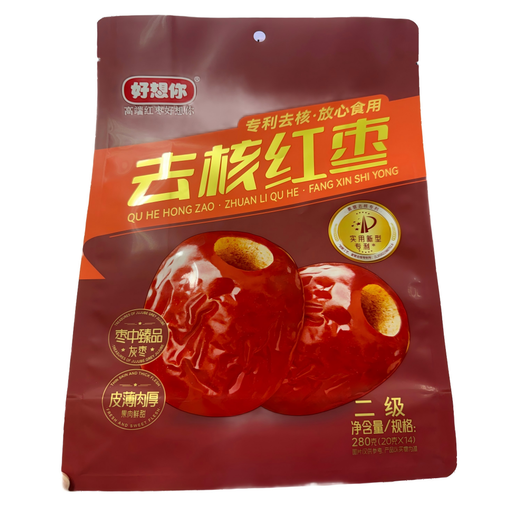
Why this suits this profile: pitted jujubes are ideal for repeated preparations, teas, soups and desserts that need quick chopping.
The page mentions a 100% jujube composition and a pitted format. This means you avoid adding sugar or unnecessary ingredients to your recipes.
280g, ready to eat, no stated allergens and suitable for tea preparations and desserts. Stated values: 343 kcal and 66.5g of sugar per 100g.
We’ve put together a comprehensive, real-time updated list of products that fully meet these strict selection criteria and European safety regulations.
No, not always. Whole products may still contain their stone. If you want to use them directly in a recipe or serve them to children, look clearly for the pitted label and check the product page warnings.
Keep them in a cool, dry place away from light. Reseal the bag or transfer them to an airtight container. Crispy dates should be eaten soon after opening to limit softening. Soft fruits especially need protecting from moisture.
Yes. Whole or pitted jujubes can be added to tea, soups, porridge, compotes and baked goods. Their naturally sweet taste can help reduce the amount of other sweet ingredients in a recipe, without considering the product as a food with medicinal effects.