
Livraison le jour même ou le lendemain

Qualité garantie

Débloquez vos offres de bienvenue: Livraison GRATUITE | Jusqu'à -80 % | 30 jours d'essai gratuits à JoyPlus
Téléchargez l'application
For many, the Chinese plum is more than just a simple treat. It's a childhood memory, a comforting flavour that brings back moments spent with loved ones. For others, it's a gateway to the rich and diverse world of Asian snacks. Whether you're looking to recapture a familiar taste or you're a curious foodie, navigating the dozens of varieties available can quickly become overwhelming.
This guide is here to help. Our mission: to give you clear information and practical advice for finding that perfect plum, all without the marketing fluff.
Before we get to our top picks, let's review the key criteria for finding the dried Chinese plum that's right for you.
The candied Asian plum offers a surprising range of tastes. Here are the most common ones:
Packaging is a practical consideration that shouldn't be overlooked:
Taking a look at the ingredients list is always a good idea. You'll typically find plums (often green plums), sugar, and salt. Some products may contain additives like sweeteners or preservatives. For example, the presence of aspartame (E951) is always indicated, as it contains phenylalanine—crucial information for individuals with phenylketonuria.
Time for the verdict! Here are three products that stood out, each with a unique profile to satisfy every craving.
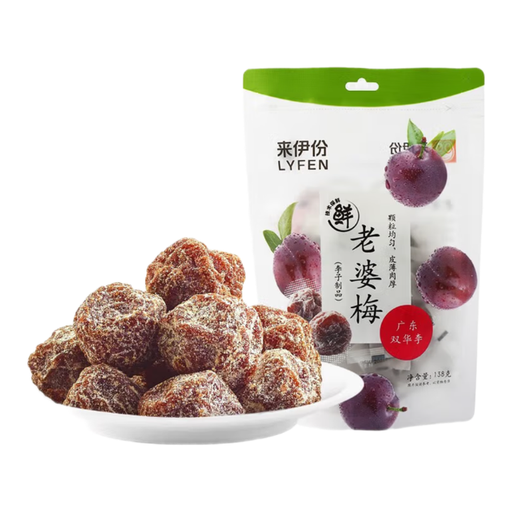
Why we love it?: This plum from Lai Yifen goes off the beaten path with its bold combination. The marriage of fresh milk aroma and the tartness of candied plum creates a one-of-a-kind flavour.
Highlights?:
Who is it for?
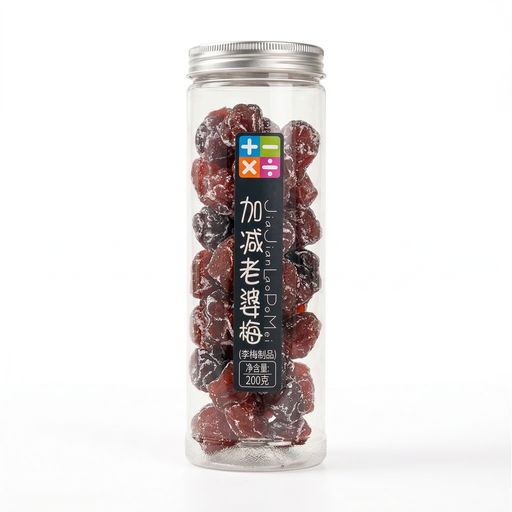
Why we love it?: With its honey plum, Jiajianchengchu focuses on tradition. It delivers the authentic flavour many are searching for, with a perfect balance of sweet, tart, and a hint of salt.
Highlights?:
Who is it for?

Why we love it?: Why choose when you can try them all? The "King Plum" bucket from Be&Cheery is the perfect solution for the indecisive and the very curious. It contains an assortment of plums featuring five different varieties.
Highlights?:
Who is it for?
The Chinese plum is just a taste of the rich world of Asian sweets. To explore other original snacks and desserts perfect for sharing, check out our selection.
? Discover our collection of shareable desserts and snacks
1. How should I store dried Chinese plums? Store them in a cool, dry place, away from light and moisture. Once the bag is opened, seal it tightly or transfer the plums to an airtight container to preserve their full flavour and chewiness.
2. What's the difference between a Chinese plum and a prune? Although they are both dried plums, they are worlds apart! The difference lies in the fruit variety, preparation, and taste. A prune (often from a d'Ente plum) is simply dried with no added sugar, giving it a very sweet taste and a soft, melt-in-your-mouth texture. The dried Chinese plum, on the other hand, is made from green plums that are candied in a syrup (sugar, salt, flavourings). This is what gives it its distinctive sweet, sour, and salty taste, and a firmer, chewier texture.
3. Are Chinese plums very sweet? It all depends on the recipe! A honey plum will naturally be sweeter than a plain green plum. Some salty or liquorice-flavoured versions are even surprisingly low in sugar. The easiest way to know is to check the product description, where the flavour profile (sweet, tart, etc.) is usually well-described.