
Livraison le jour même ou le lendemain

Qualité garantie

Débloquez vos offres de bienvenue: Livraison GRATUITE | Jusqu'à -80 % | 30 jours d'essai gratuits à JoyPlus
Téléchargez l'application
Chinese and plant-based snacks are popular for their individual portions, original seasonings and crunchy textures. But an attractive packet isn't enough to make an informed choice. Between very salty crisps, recipes packed with allergens and multi-packs where the price per kilo can vary by as much as double, it's worth doing a few checks before you order.
This guide helps you compare Asian snacks, Chinese savoury biscuits, imported products from China and vegetarian alternatives based on your budget, intended use and dietary preferences.
"Cheese", "garlic", "lemon" or "tea" generally describe a flavour profile, but they don't guarantee a significant amount of that ingredient is actually present. Check the ingredients list to distinguish between seasoning powders, flavourings and ingredients that are truly predominant.
For example, lemon-olive tea flavour potato crisps contain potatoes, vegetable oil, a seasoning powder and lemon powder. The stated flavour therefore doesn't mean the product contains an infusion or a traditional tea-based preparation.
A product can be vegetarian or vegan while still being high in fat. It may, for instance, be fried or contain palm oil. Fried onions, for example, are handy for perking up a soup or salad, but their nutritional information shows 46 g of fat per 100 g.
Conversely, plant-based nuggets are designed as an alternative to be served hot. Their value is judged more by their use, fibre content and protein contribution than by how closely they resemble a classic nugget.
A multi-pack of four small bags can be suitable for sharing as a snack, for a break at the office or for a student's cupboard. For occasional nibbling, a single bag might offer better value for money. Always compare the total weight and the price per 100 g, rather than just the number of bags.
The portion size stated on the packaging may seem reasonable, especially with a 14 g or 25 g bag. To compare two products, the value per 100 g remains the most reliable benchmark:
The information on the product page should be checked and then compared with what's on the packaging when it arrives. Recipes and packaging can change.
References to wheat, gluten, soya, milk, almonds and other allergens should be checked before consumption. Several products in this selection contain wheat or milk powder. Seaweed snacks, for example, combine seaweed, maize flour, almonds, soya and milk powder.
In the UK, allergens must be clearly identifiable in the ingredients list. If you're buying for a family or a group, don't stop at the word "plant-based": a vegetarian recipe may contain milk or eggs, while a vegan recipe can still include gluten or soya.
The products imported from China featured here come with storage information and the contact details of an importer or distributor established in the European Union. Store the bags in a dry place, away from heat and light. After opening, seal the packet carefully or transfer the contents to an airtight container to keep them crunchy.
For frozen products, such as plant-based nuggets, follow the storage instructions at −18 °C, the shelf life in the fridge after defrosting and the rule against refreezing. These precautions matter just as much as the choice of recipe.
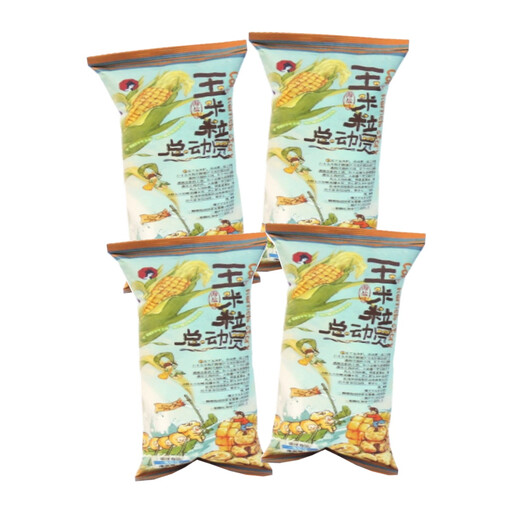
Why this suits this profile: The multi-pack brings together four 50 g bags, easy to share or keep for several snack breaks. The combination of corn and sea salt offers a familiar flavour to start with.
The total weight of 200 g is clearly stated, making it easy to compare with other multi-packs. The product page also specifies the storage conditions.
Four 50 g portions, 548 kcal and 0.6 g of salt per 100 g according to the product page provided, with waxy corn as the main ingredient.
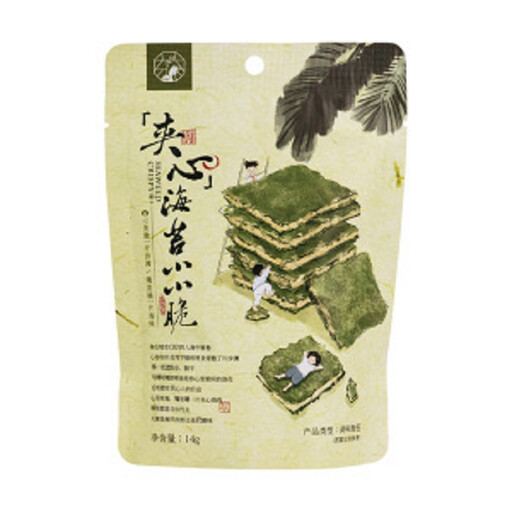
Why this suits this profile: This small format focuses on a more sophisticated combination of seaweed, almond, corn and seasoning. It's better suited to a discovery tasting than a large aperitif.
The 14 g format limits the risk of being left with a large packet when you simply want to discover a seaweed-based flavour. The ingredients list also allows you to anticipate the presence of almonds, soya and milk.
A crunchy texture, 11.7 g of protein and 10.5 g of fat per 100 g according to the product page available.
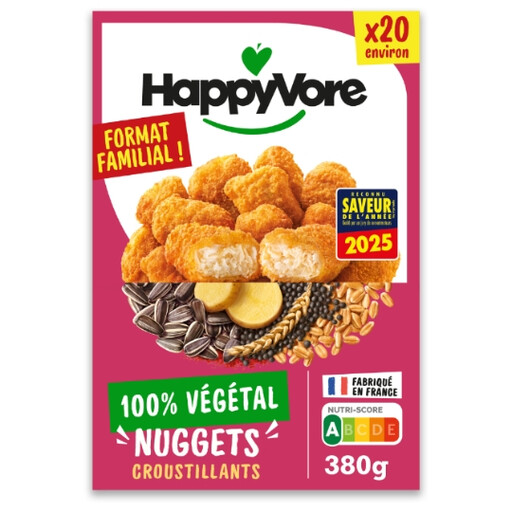
Why this suits this profile: With its 20 nuggets, this format is ideal for a quick meal, a substantial vegetarian aperitif or family use. It can be cooked straight from the freezer.
The product page details storage at −18 °C, the shelf life in the fridge after defrosting and the rule against refreezing.
A recipe based on wheat protein and plant fibres, with 6.5 g of fibre and 9.2 g of protein per 100 g according to the information provided.
We've put together a comprehensive list, updated in real time, of products that meet these strict selection criteria and European safety regulations.
Chinese crisps are generally made from potatoes, corn or wheat flour, then enhanced by a distinctive cooking method and seasoning. Plant-based snacks are a broader category, encompassing nuggets made from plant proteins, fried onions, seaweed products and meat-free savoury biscuits.
A product can therefore be vegetarian without being Chinese, like the HappyVore nuggets, or Chinese without being vegan, like some crackers that contain milk powder. Rely on the ingredients list according to your diet, rather than the product's origin or the packet's appearance.
Multi-packs of small bags allow you to try several portions without opening a large packet. Corn snacks, crispy bread crackers and lemon-infused potato crisps offer different profiles that are easy to compare.
Seal the bag carefully or transfer the contents to an airtight container. Store in a cool, dry place away from light. Fried products quickly lose their texture when exposed to moisture.
Yes, they can be served hot with dips and crudités. However, do check the allergens, cooking method and storage conditions. A plant-based recipe isn't automatically gluten-free, soya-free or dairy-free.