
Livraison le jour même ou le lendemain

Qualité garantie

Débloquez vos offres de bienvenue: Livraison GRATUITE | Jusqu'à -80 % | 30 jours d'essai gratuits à JoyPlus
Téléchargez l'application
Finding the authentic taste of a Chinese pastry can quickly become a daunting task. Whether you're nostalgic for the flavors of your childhood, an Asian dessert enthusiast seeking new textures, or looking for an original gift, it's easy to feel lost in the sea of options.
As the Head of Product Recommendations at Joybuy, my mission is to bring you clarity. This guide offers an objective overview and practical advice to help you choose the sweet Chinese specialty that will tantalize your taste buds, all without the marketing jargon.
Before diving into our selection, here are a few pointers to guide your choice and ensure you find the perfect match.
Chinese pastries are distinguished by an incredible variety of fillings and textures. Among the most common are:
Mastering these basics will help you better understand the flavor profile of each Chinese cake.
Not all pastries are suited for the same moments:
We have selected three gems that perfectly illustrate the diversity of Chinese pastries, all chosen for their authentic taste.
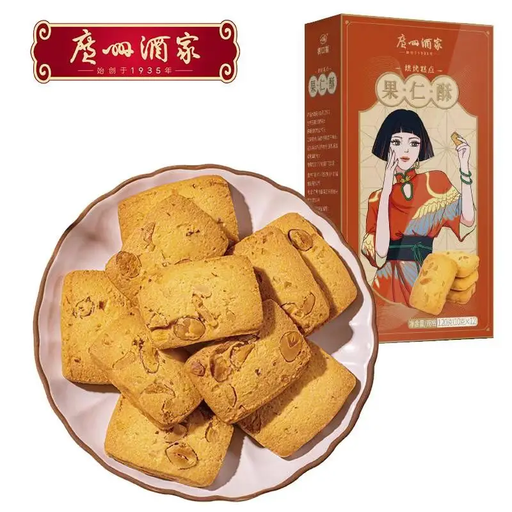
Why it stands out?? Guangzhou Restaurant is an institution, often called "The Premier Restaurant of Canton." These cakes are the result of traditional Cantonese craftsmanship. They are distinguished by a rich texture and intense flavor, thanks to a generous filling of peanut and sesame pieces.
Key highlights?:
Who is it for?? For lovers of dry, crunchy biscuits with a pronounced nutty taste. It's the perfect Asian snack for a gourmet break.
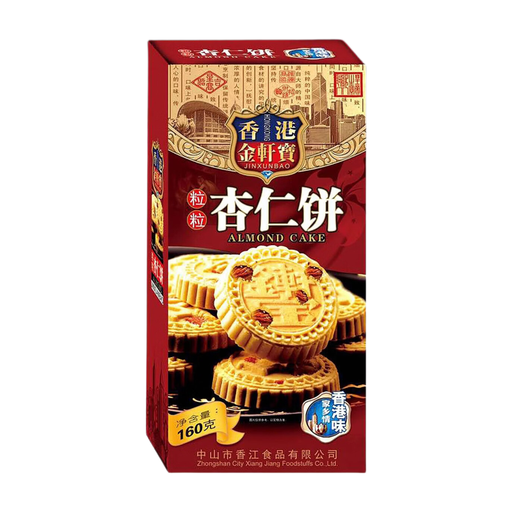
Why it stands out?? This Chinese almond cake is a traditional specialty made from mung bean powder, which gives it a unique texture. Soft and crumbly, it literally melts in your mouth, releasing a delicate almond fragrance.
Key highlights?:
Who is it for?? For those who appreciate delicate textures and subtle, low-sugar flavors. An excellent choice for a first taste of a traditional Chinese biscuit or for a refined tasting experience.
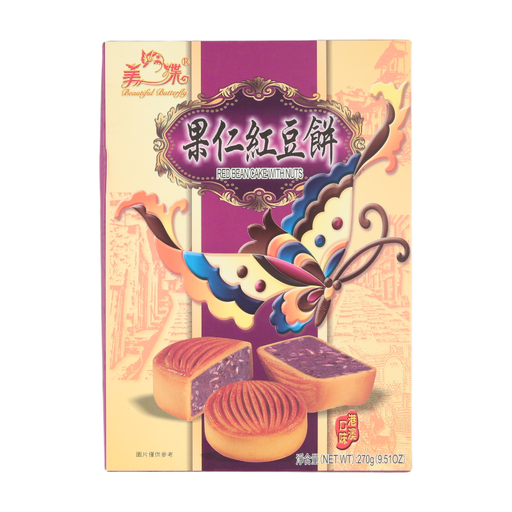
Why it stands out?? This red bean cake combines a soft outer pastry with a generous, melt-in-your-mouth filling. The whole thing is sprinkled with melon seeds, which provide a very pleasant crunchy contrast. Its beautiful butterfly-shaped box also makes it an excellent gift idea.
Key highlights?:
Who is it for?? For those looking for an Asian dessert that is soft, smooth, and indulgent. It is also the ideal gift to introduce loved ones to Chinese pastries.
Our selection is just a sneak peek. The world of Asian pastry is a treasure trove of flavors to explore, from mooncakes to mochi, and a myriad of traditional biscuits.
To dive deeper, feel free to browse our complete collection.
? Explore our full collection of delicious cakes and pastries and find the perfect treat to satisfy your cravings.
1. How should I store Chinese pastries?? Most packaged pastries should be stored in a cool, dry place, away from light. Once opened, place them in an airtight container and consume them quickly (usually within 7 days) to preserve their freshness and texture. In any case, always refer to the instructions on the packaging.
2. What is the difference between a mooncake and a traditional Chinese biscuit?? The mooncake is an iconic pastry, eaten mainly during the Mid-Autumn Festival. It is typically round, dense, and filled with rich fillings like lotus seed or red bean paste, sometimes with a salted egg yolk in the center. A traditional Chinese biscuit, like the almond cake, is simpler, often drier or more crumbly, and is enjoyed year-round as a snack or with tea.
3. What should I pair with a Chinese cake?? Tea is the quintessential accompaniment. A green tea (like Longjing), an Oolong, or a jasmine tea pairs wonderfully with most pastries, as their subtle bitterness balances the sweetness of the cakes. For a simpler option, a glass of water or soy milk also works very well.