
Livraison le jour même ou le lendemain

Qualité garantie

Débloquez vos offres de bienvenue: Livraison GRATUITE | Jusqu'à -80 % | 30 jours d'essai gratuits à JoyPlus
Téléchargez l'application
Standing in the Asian noodles aisle can be overwhelming. With so many shapes, textures, and ingredients, it's easy to get lost. Which ones should you choose for a comforting soup, a flavourful stir-fry, or a crisp salad?
As a product expert at Joybuy, my mission is to demystify the market and bring you some clarity. The goal of this guide is to help you find the perfect Chinese noodles for your recipes, cutting through the marketing jargon.
Before we dive into our top picks, let's review a few key criteria for making the right choice.
A noodle's main ingredient largely determines its taste and texture.
Not all noodles behave the same way when cooked.
If you're short on time, quick-cooking is a crucial factor. Many varieties are ready in just 3 to 5 minutes. This information, usually clearly marked on the packaging, is a real bonus for weeknight dinners.
Here is a selection of products designed for all tastes and recipes, all available on Joybuy.
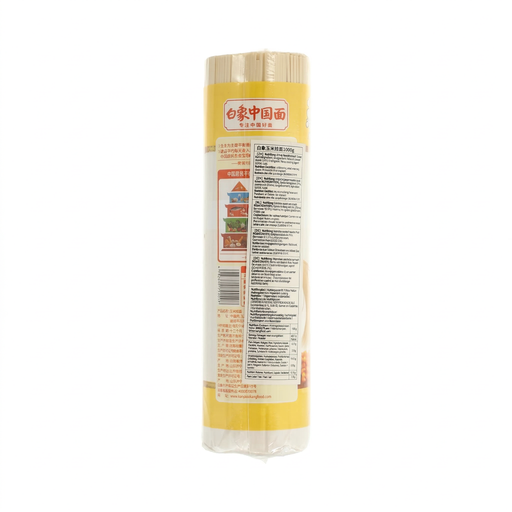
Why they stand out: These noodles from Bai Xiang blend wheat flour with 15% corn flour. This mix gives them a mild flavour and a texture that is both springy and soft, holding up excellently during cooking.
Benefits:
Who it's for: Ideal for families and everyday cooks looking for a versatile, all-purpose noodle with a unique twist, suitable for a wide range of recipes.
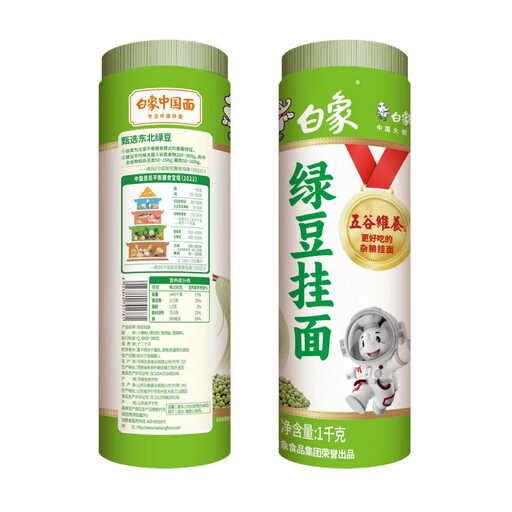
Why they stand out: These vermicelli combine wheat flour and mung bean flour. The result is a noodle with a delicate, refreshing taste and a fine texture that captures flavours.
Benefits:
Who it's for: Perfect for those who appreciate subtle flavours and light textures. A must-have for noodle soups or salads.
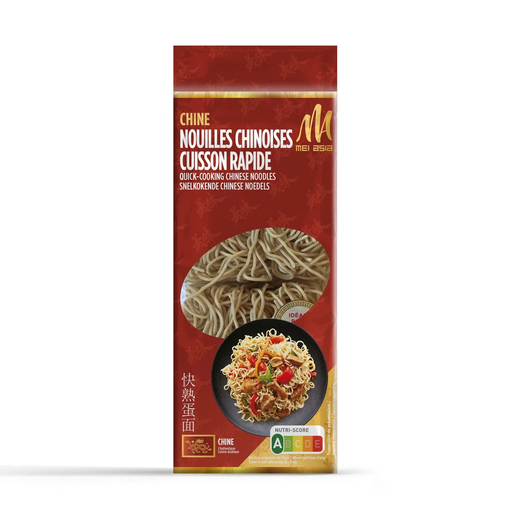
Why they stand out: Made with 89% high-gluten wheat flour and egg yolk powder, these noodles are designed for convenience. Their key feature is a record-fast cooking time for a soft, smooth texture.
Benefits:
Who it's for: The smart choice for people in a hurry or beginners in Asian cooking who want a reliable and fast product without compromising on texture.
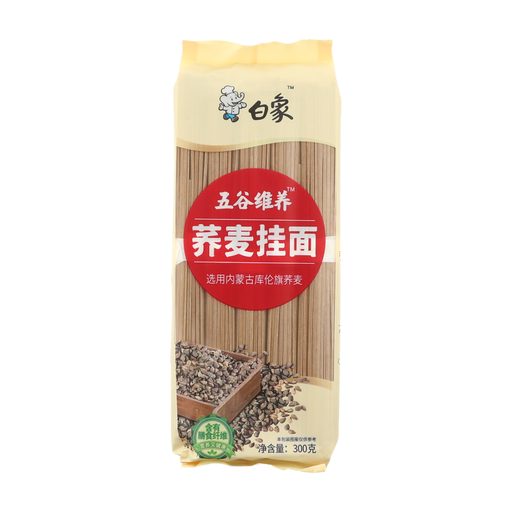
Why they stand out: With 15% buckwheat flour, these noodles have a rustic taste and a firm texture. Their composition ensures they hold up well during cooking, making them very versatile.
Benefits:
Who it's for: For those looking for noodles with a bold character and good nutritional qualities. Excellent in soups, salads, or simply topped with a light sauce.
Our selection is just a taste of the world of Chinese noodles. To discover other varieties, authentic sauces, or ingredients to elevate your dishes, explore our dedicated section.
Discover Our Full Range of Chinese Food
The main difference lies in the ingredients and preparation. Italian pasta is made almost exclusively from durum wheat semolina, water, and sometimes eggs. Asian noodles use a wider variety of flours (soft wheat, rice, buckwheat, mung bean, etc.) and are often more elastic, thanks in part to the addition of an alkaline agent in some recipes.
Store your dry noodles in a cool, dry place away from light. Once the package is opened, transfer them to an airtight container to protect them from moisture and maintain their freshness.
Yes, absolutely. However, since buckwheat noodles have a more delicate texture than wheat noodles, there's a little trick. For a stir-fried noodle dish, we recommend cooking them for slightly less time than indicated, rinsing them under cold water to stop the cooking process, and then adding them to the wok at the very end. Simply reheat them and coat them in the sauce by tossing gently.