
Livraison le jour même ou le lendemain

Qualité garantie

Débloquez vos offres de bienvenue: Livraison GRATUITE | Jusqu'à -80 % | 30 jours d'essai gratuits à JoyPlus
Téléchargez l'application
As a product expert for Joybuy, my mission is simple: to help you demystify the vast world of Asian products so you can make the right choices, cutting through the marketing jargon. Today, we're tackling a culinary giant: Chinese noodles.
Faced with a maze of shapes, textures, and origins, choosing the right package can quickly become a headache, especially when you want to recreate a regional recipe with precision. A comforting saucy dish, a fragrant soup, or a quick stir-fry? The choice of noodle is the cornerstone of your dish. This guide gets straight to the point: helping you find the ideal Asian noodles for every recipe, with a focus on authenticity and use.
To find the perfect noodle, a few simple but fundamental criteria make all the difference. They will help you read between the lines on the packaging and know exactly what to expect on your plate.
A noodle's shape is far from being a mere aesthetic detail: it dictates how it interacts with the sauce and its mouthfeel (the famous "chew").
Most Chinese noodles start with a simple trio: wheat flour, water, and salt. But the secret to their texture lies in the variations. Some regional specialities, like Wuhan noodles, add an alkaline solution (sodium carbonate) to achieve that incredibly springy (chewy) texture and their characteristic yellow hue. Others, like handmade noodles, rely on high-gluten wheat flour to ensure a firm and satisfying chew.
For a truly authentic experience, the right pairing is essential. Every regional dish has its signature noodle. So, before you fill your cart at an online Chinese grocery, have the recipe you're aiming for in mind.
Here are a few recommended options, selected for their suitability for iconic dishes and their manufacturing quality.
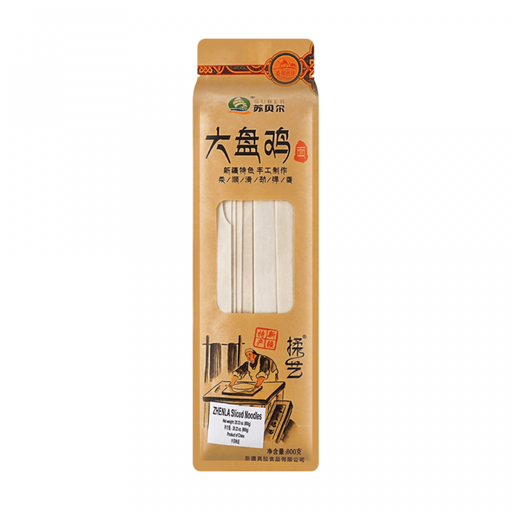
Why it stands out: These noodles are directly inspired by hand-pulled "belt" noodles. Made with 98% wheat flour, they deliver a texture that is wide, thick, and deliciously springy. Their superpower? They absorb sauces like no other, making them the ideal base for flavourful, slow-cooked dishes.
Highlights:
Who is it for? For those who want to tackle the great classics of Northwest China and are looking for a hearty, filling chew.
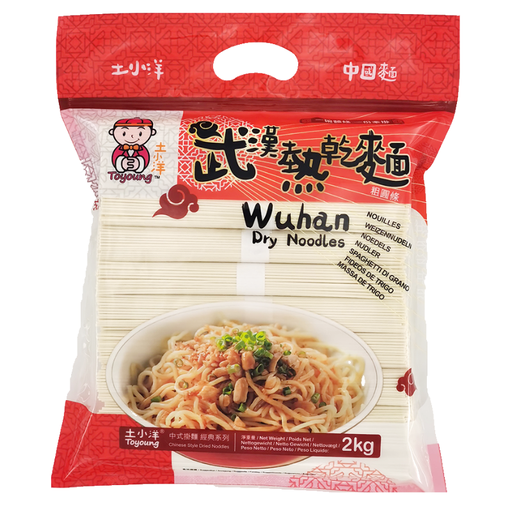
Why it stands out: Custom-designed for Wuhan's signature dish, Re Gan Mian (Hot Dry Noodles), these noodles offer the precise springy and firm texture required. Their simple composition (wheat flour and salt) ensures an authentic flavour that pairs perfectly with sesame paste, soy sauce, and chilli oil.
Highlights:
Who is it for? A must-have for anyone wanting to prepare authentic Re Gan Mian at home. They are also perfect for cold noodle dishes or quick stir-fries.
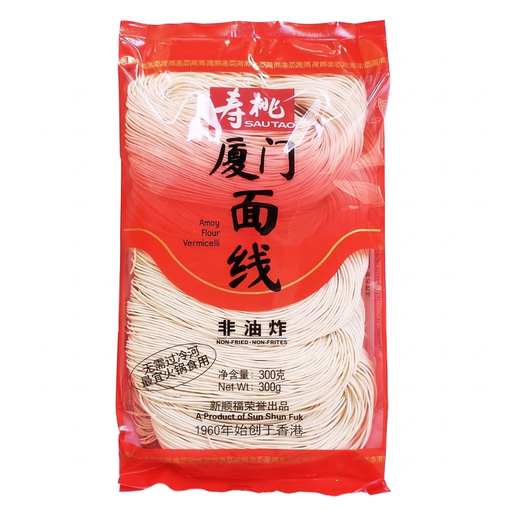
Why it stands out: These vermicelli, known as "Mian Xian," are famous for their extreme fineness, often described as "hair-thin." The Sau Tao brand, renowned for its commitment to traditional methods, delivers noodles that are faithful to this artisanal craft. They soak up broth and cook in the blink of an eye.
Highlights:
Who is it for? Ideal for fans of light and fragrant soups, delicate dishes, or for those embarking on mythical preparations like "Buddha Jumps Over the Wall."
Our selection focuses on specific uses for maximum authenticity. But the world of Asian noodles is a continent in itself, filled with other treasures. Want to explore other textures, or noodles made from rice, sweet potato, or other formats? Feel free to browse our full catalogue.
Discover our full range of Dried Noodles
1. What is the difference between Chinese noodles and Italian pasta? The fundamental difference lies in the ingredients and texture. Italian pasta is generally made from durum wheat semolina, sometimes with eggs. Chinese noodles predominantly use soft wheat flour, water, and salt, resulting in a softer, more elastic texture. Some varieties also incorporate an alkaline agent to achieve that famous bouncy (chewy) quality.
2. How should I store dry Chinese noodles? The secret to their preservation? A cool, dry cupboard away from direct light. Once the package is opened, it's best to transfer them to an airtight container to protect them from moisture.
3. Can I use any type of noodle for a wok dish? While cooking is a playground, not all noodles behave the same way under the intense heat of a wok. Medium-thickness noodles are often a safe bet: they cook quickly without turning to mush. Thin noodles risk breaking apart, while wide noodles require precise pre-cooking to avoid becoming too soft. The choice will depend on the desired result and the other ingredients.