
Livraison le jour même ou le lendemain

Qualité garantie

Débloquez vos offres de bienvenue: Livraison GRATUITE | Jusqu'à -80 % | 30 jours d'essai gratuits à JoyPlus
Téléchargez l'application
Standing in front of the Chinese noodle aisle can be overwhelming. Between the promising packaging and the multitude of shapes, textures, and origins, it's all too easy to go home with a product that's completely wrong for the recipe you had in mind. As a product expert for Joybuy, my mission is to help you demystify the selection.
Who hasn't bought noodles that turn to mush when cooked, or whose slippery texture stubbornly refuses to soak up sauce? Here are the most common mistakes and how to avoid them to make an informed choice.
To avoid making mistakes, focus on two or three fundamental parameters. These are the true indicators of a noodle package's quality and intended use.
Most dry Asian noodles are based on a disarmingly simple foundation: wheat flour, water, and salt. This is the winning trio to look for when seeking versatile, authentic noodles.
The shape of a noodle isn't just about aesthetics; it determines how it will interact with the sauce, broth, and other ingredients.
To guide you, here are a few recommendations that meet specific needs, in line with our criteria for quality and use.
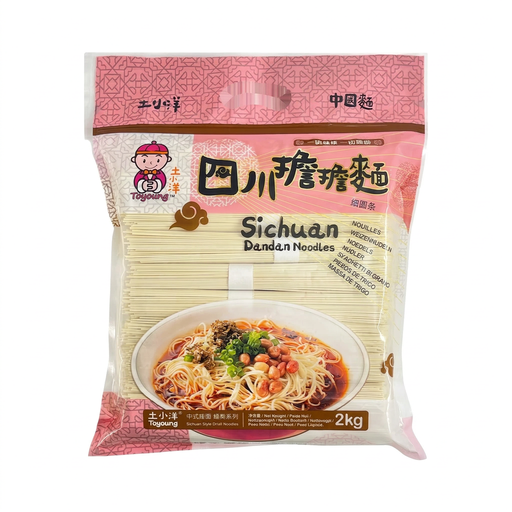
Why it's a great choice: Essential for recreating the iconic Sichuan dish with an authentic base. Since texture is key to this dish, these noodles are specifically designed for that purpose.
Unlike generic noodles, their wide, flat shape is designed to capture the rich sauce of Dan Dan noodles, preventing the "drowned pasta" effect.
Firm, elastic texture that doesn't fall apart during cooking. The generous 2kg format is ideal for enthusiasts who regularly cook this dish.
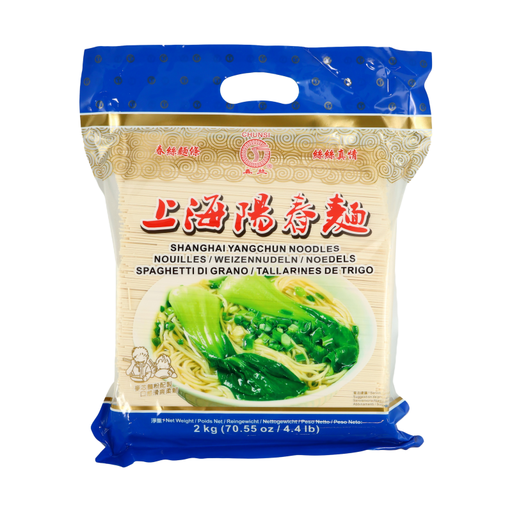
Why it's a great choice: Perfect for families or everyday cooks who need a reliable and versatile base ingredient. This value-size pack ensures you always have quality noodles on hand.
This product gets straight to the point: wheat flour, water, salt. Zero unnecessary additives. The 2kg format is transparent about its purpose: to be an economical staple, not a marketing gimmick.
Highly versatile (soups, stir-fries, cold salads). Excellent quantity-to-price ratio for frequent use.

Why it's a great choice: For those who want a flavourful, authentic meal without spending an hour in the kitchen. This kit delivers the experience of a specific dish (Zha Jiang Mian) in minutes.
The kit eliminates the risk of a bad noodle-and-sauce pairing. It provides the right noodles and the specific fermented soybean paste for this dish, guaranteeing an authentic taste.
Complete kit including noodles, sauce, and dehydrated vegetables. Quick preparation in under 10 minutes for a full meal.
Browse our full selection of products that meet these quality criteria.
Although they are both broadly called "pasta," their differences are profound. Italian pasta is made almost exclusively from durum wheat semolina. Asian noodles, on the other hand, use a wider variety of flours (soft wheat, rice, buckwheat, mung bean). Their texture is also often different: Chinese noodles are frequently treated with an alkaline solution, which gives them a chewier, more elastic mouthfeel and a distinctive taste—something rarely found in Italian pasta.
Once the package is open, proper storage is everything. Transfer the remaining noodles to an airtight container and keep it in a cool, dry place away from light. This will protect them from moisture, which alters their texture, and from pests. Stored correctly, they can last for several months.
Absolutely, and the difference is crucial. Wok-ready wheat noodles are generally sturdier and sometimes steamed before being dried. This process allows them to withstand the very high heat of a wok and be tossed vigorously without disintegrating. Trying to cook thin soup noodles in a wok would result in a mush of broken pasta. Choosing the right type is therefore essential to the success of your dish.