
Livraison le jour même ou le lendemain

Qualité garantie

Débloquez vos offres de bienvenue: Livraison GRATUITE | Jusqu'à -80 % | 30 jours d'essai gratuits à JoyPlus
Téléchargez l'application
Stir-fries, soups, salads… Asian noodles are everywhere, but with shelves (both virtual and physical) overflowing with options, making the right choice can be a real challenge. Shape, flour, production method: how do you know which package will elevate your dish? Don't worry. Our team of experts has broken it all down for you. Forget the marketing jargon—this guide gets straight to the point.
We'll give you the keys to decode labels and make an informed choice. You'll then discover our selection of Chinese noodles that stand out for their superior texture and composition. The goal: to help you nail every dish, from a quick stir-fry to a comforting soup.
Before you start shopping, here are the essential criteria to keep in mind to ensure you make the right choice.
The shape and thickness of the noodles are crucial: they determine how they hold up during cooking and their ability to soak up sauce.
The flour is the heart of the noodle. While wheat flour remains the most common base, many alternatives exist for a variety of flavours and nutritional benefits.
The manufacturing process plays a key role in the final texture. Artisanal noodles, often sun-dried, develop a firm and elastic texture in the mouth (the famous "chew" or chewy texture), which is particularly prized by connoisseurs. This slow, natural drying process helps preserve the wheat's aromas. Good online Chinese grocers are a gold mine for finding these high-quality dried noodles. They have a very long shelf life and make all the difference in a dish.
After extensive tasting, here are the products that caught our attention for the quality of their ingredients and their versatility.

Why they stand out These noodles are distinguished by their artisanal production, which includes sun-drying—a traditional method that enhances the texture and aroma of the wheat. The addition of spinach powder gives them an appealing, 100% natural green colour.
Key features
Who are they for? For those looking to add a touch of colour and nutrients to their dishes, especially stir-fries and soups where their wide shape shines.
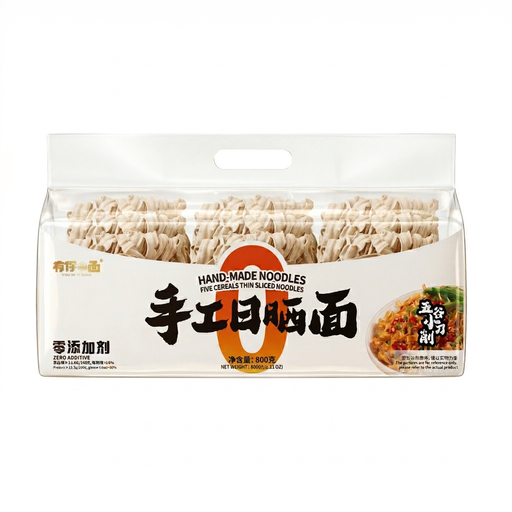
Why they stand out Drawing on traditional expertise, these multigrain noodles combine wheat flour with buckwheat, corn, sorghum, and soy flours. The natural sun-drying process optimally preserves the nutritional qualities of this blend.
Key features
Who are they for? For those seeking a healthier alternative to standard wheat noodles without sacrificing an authentic texture.

Why they stand out Arawana sets itself apart with a manufacturing process that includes fermentation with active yeast. Inspired by traditional methods, this technique improves the noodles' texture and makes them more digestible.
Key features
Who are they for? For purists who love noodle soups and delicate dishes where the fineness and softness of the noodle are essential.

Why they stand out With at least 50% buckwheat flour, these noodles deliver a pronounced and authentic nutty flavour. The addition of 3% yam flour enhances their firm yet smooth texture.
Key features
Who are they for? A must-have for fans of buckwheat noodles (which are very similar to Japanese soba) and for anyone wanting a low-fat option that's packed with flavour.
Our selection is just a taste of the incredible diversity of Asian noodles. To discover other shapes, flavours, and ingredients, explore our complete collection.
Discover Our Entire 800g Noodle Collection
The main difference lies in the ingredients and texture. Italian pasta is almost always made from durum wheat semolina, water, and sometimes eggs. Chinese noodles are much more varied: they can be made from soft wheat, rice, buckwheat, or mung bean flour, and they rarely contain eggs (with a few exceptions). The texture of Chinese noodles is often softer and more elastic.
Once the package is opened, it's best to transfer the dried noodles to an airtight container or jar. Store them in a cool, dry place away from light to preserve their freshness and prevent them from absorbing moisture.
Absolutely. While wide noodles are perfect for stir-fries, their firm texture also works wonderfully in soups. They will simply provide a more pronounced chew than thinner noodles. Just remember to adjust the cooking time to achieve your desired consistency.