
Livraison le jour même ou le lendemain

Qualité garantie

Débloquez vos offres de bienvenue: Livraison GRATUITE | Jusqu'à -80 % | 30 jours d'essai gratuits à JoyPlus
Téléchargez l'application
Buying Chinese noodles in a 2 kg bag means you can prepare plenty of meals without building up a pile of small packets. This size is ideal for families, fans of Asian cooking, anyone who likes to prepare meals in advance and small food businesses. The key is choosing the right type: not all 2 kg packs of Asian noodles have the same thickness, hold their texture equally well when cooked or suit the same dishes.
Before you order Chinese noodles in bulk, here are some common pitfalls to avoid and the features to look out for.
Thin, soft noodles behave differently from thick noodles with a firm texture. Chinese wheat noodles made for a light soup can turn soft if they’re left in the broth for too long. On the other hand, a heartier variety is better suited to stir-fries, braised dishes and thick sauces.
The regional name can give you a helpful clue. Lanzhou noodles are generally associated with soups, while Shanghai Yangchun noodles are often served in simple dishes with broth, spring onion oil or a light sauce.
Marketing claims are no substitute for reading the label. Check the ingredients, country of origin, allergens and cooking instructions. Some varieties contain only wheat flour, water and salt; others also include an acidity regulator or carry a warning about possible traces of allergens.
The term hand-pulled noodles can also refer to a style or culinary inspiration. It doesn’t necessarily mean the noodles were shaped by hand at the time of purchase.
A large pack makes sense if you use its contents regularly. Once opened, however, moisture can affect the texture and cause the noodles to stick together. Transfer them to an airtight container or use a resealable bag, and store them in a cool, dry place away from light.
For soup, choose noodles that stay firm enough after draining. Noodles for stir-fries should also hold their shape when mixed with sauce and vegetables.
The cooking time on the product page is a useful starting point, but the finished texture depends on the noodle diameter and how you prepare them:
For a cold salad or stir-fry, a quick rinse in cold water stops the cooking. For soup, drain the noodles and add them to the broth just before serving.
The varieties featured here are mainly made with wheat flour and therefore contain gluten. If you have an allergy or intolerance, it’s essential to check the label. Depending on the product, the ingredients may include wheat flour, water, salt and an acidity regulator.
Nutritional values are generally given per 100 g of dry product. They often come to around 340 to 357 kcal and 10 to 12 g of protein per 100 g, depending on the variety. These figures aren’t dietary advice; they simply make it easier to compare products on a like-for-like basis.
With a dry portion of 80 to 100 g, a 2 kg bag makes around 20 to 25 portions. The actual number will vary depending on how much you serve with the noodles, everyone’s appetite and whether you’re using them in soup or as a side.
For a household that regularly cooks Asian food, a larger pack can reduce the cost per portion and cut down on individual packaging. If you only eat noodles occasionally, check the best-before date and make sure you can store them properly once opened.
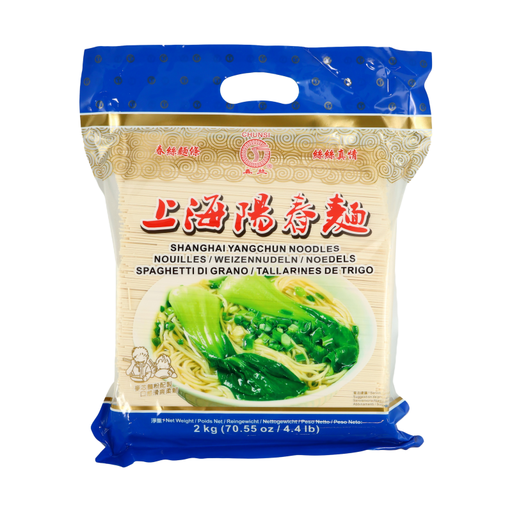
Why it suits this type of cook : With a short ingredient list — wheat flour, water and salt — and plenty of versatility, this variety is an easy choice for first attempts at soup, cold noodle salads or stir-fries.
The product page gives a cooking time of 4 to 5 minutes and recommends storing the noodles in an airtight container after opening.
A net weight of 2 kg, a stated Chinese origin and detailed nutritional information per 100 g.
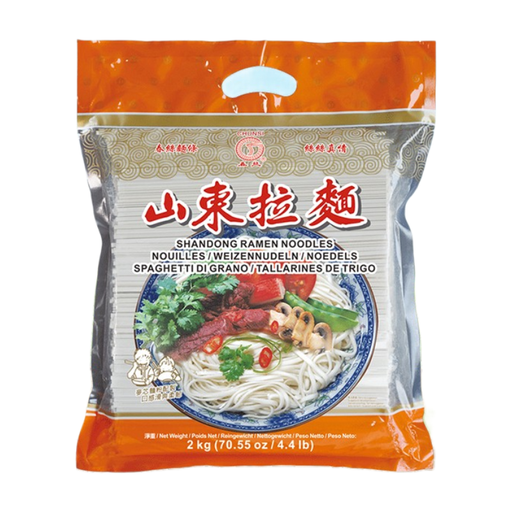
Why it suits this type of cook : Described as springy and firm, these noodles are a good fit for cooks looking for a hearty base for regional recipes.
The product page outlines how to use them in soup, stir-fries and braised dishes, rather than suggesting just one way to prepare them.
Wheat flour, water and salt; a stated cooking time of 5 to 7 minutes; and a 2 kg pack.
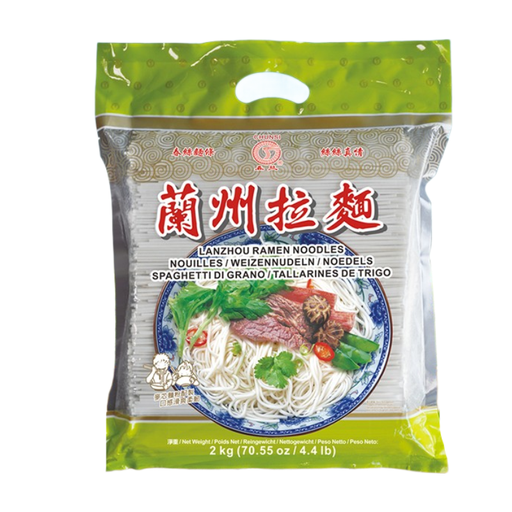
Why it suits this type of cook : Made for Lanzhou-style beef noodle soup, this variety is well suited to regular cooking where a firm texture is essential.
The intended use, cooking time of 5 to 7 minutes and recommendation to store in an airtight container are all clearly stated.
Wheat flour, water and salt; a stated protein content of 12 g per 100 g; and a size suited to frequent meals.
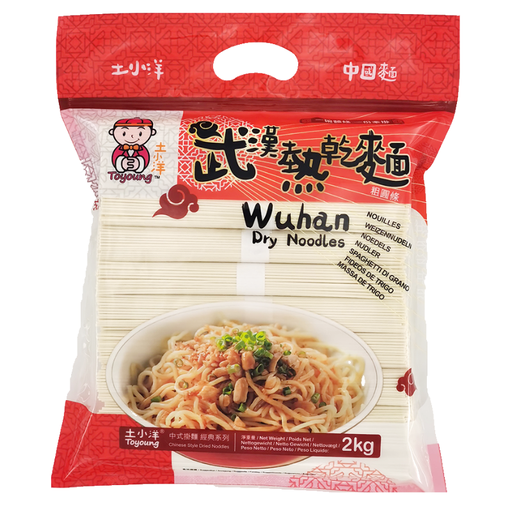
Why it suits this type of cook : The family-size pack and their versatility as Wuhan dry noodles, served in soup, stir-fried or cold, make them a good fit for a range of cooking habits.
The product page includes a dedicated recipe using sesame paste, soy sauce, vinegar, chilli oil and spring onion.
A stated cooking time of 4 to 5 minutes, simple ingredients and a net pack size of 2 kg.
We’ve put together a full range of products, updated in real time, that meet these strict criteria and comply with European safety regulations.
Allow around 20 to 25 portions of 80 to 100 g of dry noodles. The actual number depends on how much vegetable, meat, tofu or broth you add to each bowl.
Chinese noodles for soup should stay firm after cooking. Lanzhou-style varieties are particularly well suited to broths served straight away. Shanghai Yangchun noodles can also be served in lighter soups, as long as you follow the cooking time and add them at the last moment.
Drain them as soon as they reach the texture you want. For a stir-fry or salad, rinse them briefly in cold water, then drain well. You can also toss them with a few drops of oil to help stop them sticking before serving.