
Livraison le jour même ou le lendemain

Qualité garantie

Débloquez vos offres de bienvenue: Livraison GRATUITE | Jusqu'à -80 % | 30 jours d'essai gratuits à JoyPlus
Téléchargez l'application
The Spring Festival is fast approaching, and with it, the excitement of preparations. Whether you wish to reconnect with family traditions or simply share the richness of Asian culture with loved ones, finding the right items can quickly become a challenge. Between the search for authentic decorations and the choice of a meaningful gift, it's easy to feel overwhelmed.
This guide is here to simplify the task for you. We have compiled practical tips and a selection of essential products to celebrate Chinese New Year 2026. The goal is to let you focus on what truly matters: the pleasure of sharing joyful moments with family and friends.
This celebration demands special attention to detail. Here are a few pointers to help you make the right choices for your purchases.
Lunar New Year decorations are a true treasure trove of symbols. Red and gold are omnipresent: the former wards off evil spirits and attracts good luck, while the latter symbolises wealth and prosperity.
Giving a gift for Chinese New Year is a powerful gesture. Red envelopes (hongbao), filled with money, are a timeless classic, traditionally given by elders to younger family members. The quality of the envelope itself reflects the thoughtfulness of the gift.
For friends, colleagues, or your hosts, Asian delicacies are always an excellent idea. A mochi gift box, for example, is a gourmet and refined present, perfect for sharing. It's a thoughtful gesture to wish someone a sweet and happy year.
To avoid any disappointment, product quality is paramount. For decorations, choose durable materials that will stand the test of time. For food products, a glance at the ingredient list and allergens is essential, especially if the gift is not for you. Finally, meticulous presentation, such as individual packaging, is often a sign of quality and hygiene.
To get you started, here is our selection of items that perfectly blend tradition and practicality.
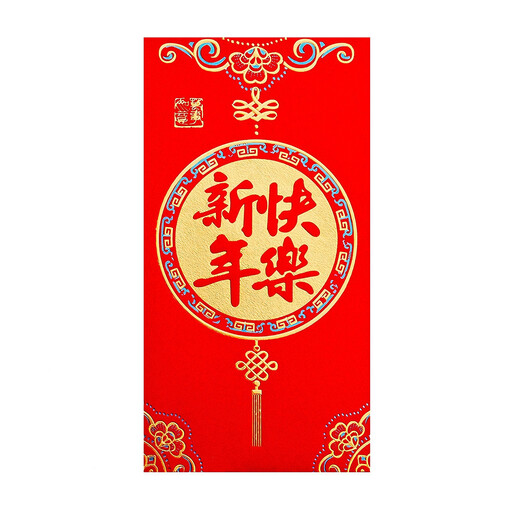
What makes them special: These envelopes stand out thanks to their modern and elegant finish. The red glitter film catches the light, while the hot-stamped gold foil design, featuring the character 福, adds a touch of refinement. In short, it's a contemporary take on a timeless classic.
Highlights:
Who is it for? For anyone who wants to give New Year's money in hongbao red envelopes that are out of the ordinary, thereby showing special thoughtfulness.
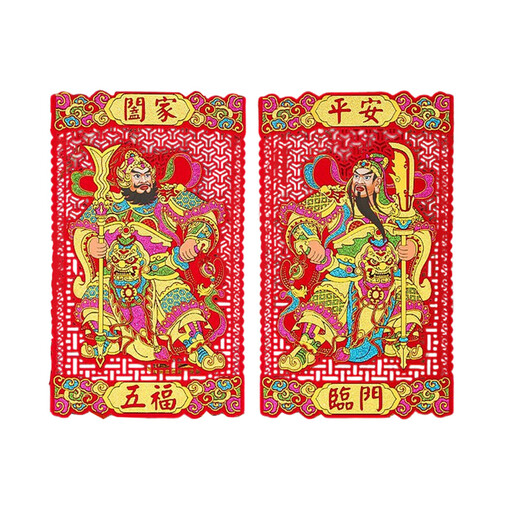
What makes them special: These traditional Chinese stickers depict the famous "Men Shen" door guardians, iconic protective figures in Chinese culture. Their main advantage? Unbeatable practicality: they are self-adhesive, ensuring a simple and clean application on any front door.
Highlights:
Who is it for? For families who want to honour the door guardian tradition without the hassle, and for anyone looking to add an authentic and symbolic decorative touch to their home for the Spring Festival.
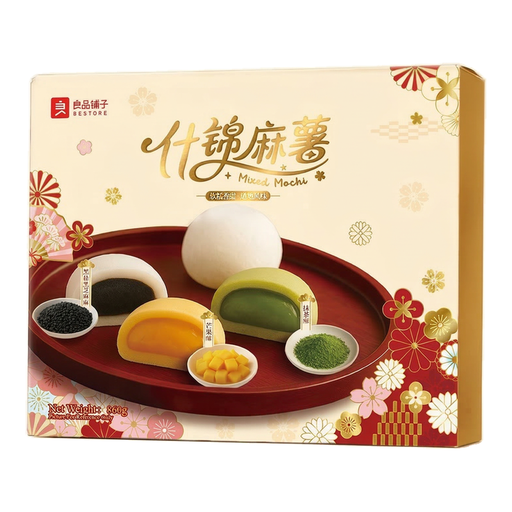
What makes it special: This mochi gift box from Bestore is an invitation to indulge. It offers an assortment of three flavours (matcha tea, black sesame, and mango) to suit a variety of tastes. Each mochi is individually wrapped, which preserves its freshness and makes it ideal for sharing.
Highlights:
Who is it for? The ideal gift for Chinese New Year, to give to friends, colleagues, or family. It's also an excellent entry point for those curious to discover Asian delicacies, or simply to grace the dessert table during the festivities.
Our selection is just a taste of the thousand and one ways to celebrate the Lunar New Year. If you're looking for other ideas for gifts, decorations, or treats to mark the occasion, feel free to explore our complete collection.
Discover Our Seasonal Gift Collection
Red envelopes, or hóngbāo, are gifts of money traditionally given during Chinese New Year and other major occasions. Red is a symbol of good luck and protection against evil spirits. Giving a hongbao is therefore a gesture of goodwill and a wish for prosperity for the new year. It is typically elders who give them to children and unmarried young adults.
Cuisine plays a central role in the celebrations, and many dishes are served for their symbolic meaning. Among the most iconic are dumplings (jiaozi), whose shape resembles ancient gold ingots and symbolises wealth; fish (yú), whose name is a homophone for the word "surplus"; and glutinous rice cakes (niangao), which evoke progress and "promotion" in social or professional status for the year ahead.
Chinese New Year, also known as the Spring Festival, follows the lunar calendar, so its date changes every year. In 2026, the Lunar New Year will begin on Tuesday, 17 February 2026, marking the start of the Year of the Fire Horse.
By the Joybuy Editorial Team