
Livraison le jour même ou le lendemain

Qualité garantie

Débloquez vos offres de bienvenue: Livraison GRATUITE | Jusqu'à -80 % | 30 jours d'essai gratuits à JoyPlus
Téléchargez l'application
Chinese instant soups and noodles have plenty going for them: quick preparation, easy-to-store formats and a much wider variety of recipes than the same old chicken noodles. They are just as useful in a lunch box at work, a student cupboard or for putting together an Asian-inspired meal at home.
The challenge is choosing the right product. An attractive picture on the packaging does not tell you everything: some recipes are particularly salty, others contain several allergens, while the word “instant” may conceal a product that actually needs to be cooked in a saucepan. Here are the key points to check before stocking up.
A Chinese instant soup in a cup is usually prepared with boiling water and a few minutes’ patience. However, some instant rice noodles, malatang recipes and hot-pot soup bases need to be cooked in a saucepan for several minutes. The time stated on the label therefore deserves a proper check.
The Li Hai Long Malatang, Glutinous, Bagged, 410 g, for example, requires around 650 ml of water and nearly 7 minutes of cooking. It is not in the same category as a product that simply needs rehydrating at your desk.
A picture of beef, chicken or mushrooms does not guarantee that the recipe contains a significant quantity of them. In many Asian instant noodles, the flavour mainly comes from the spice blend, flavourings, stock powder or seasoned oil.
The ingredients list helps you distinguish between a recipe containing dehydrated vegetables, mushrooms or plant-based proteins, and a product made mainly from noodles and seasoning.
Salt content can vary dramatically from one product to another. By way of indication, the available information states 4.2 g of salt per 100 g for Hefu Hot and Sour Noodles, compared with 5.8 g per 100 g for Jin Mai Lang Mushroom and Chicken Noodles.
Allergens are just as important: gluten, soya, peanuts, sesame, egg or shellfish may be included. If you have an allergy, do not overlook the statement “may contain traces of”.
Wheat noodles are generally soft and springy, whereas Chinese vermicelli and rice noodles offer a finer, different texture. The Jiaxiangren rice noodles with stewed chicken contain rice, starch and wheat flour, among other ingredients. They are therefore not automatically suitable for a gluten-free diet.
Also check whether the noodles are fried or non-fried. This criterion alone is not enough to assess the entire recipe, but it helps you compare the ingredients and the texture you are looking for.
A five-portion pack is convenient for creating a small stock without taking up the space needed for a family-size box. The Yum Yum Beef Noodle Soup HL Pack contains 5 × 60 g sachets, or 300 g in total.
For a family or regular consumption, a larger pack can reduce the price per portion. The Bai Xiang Noodle Soup with Chicken pack contains 12 sachets of approximately 103 g. Nevertheless, remember to check the space available in your cupboards, the best-before date and the storage conditions at room temperature.
Some products divide the ingredients between several sachets: soup base, oil, vinegar, vegetables, sesame paste or peanut paste. This system makes it easier to adjust the spiciness and acidity, at the cost of a few extra steps.
For a hot and sour soup, the presence of a vinegar sachet is a good indication. In the case of instant malatang, check the contents of the pack: vermicelli, vegetables and sauces should all be included, and the required volume of water should be clearly stated. The spiciness can often be adjusted by adding the oil or sauce gradually.
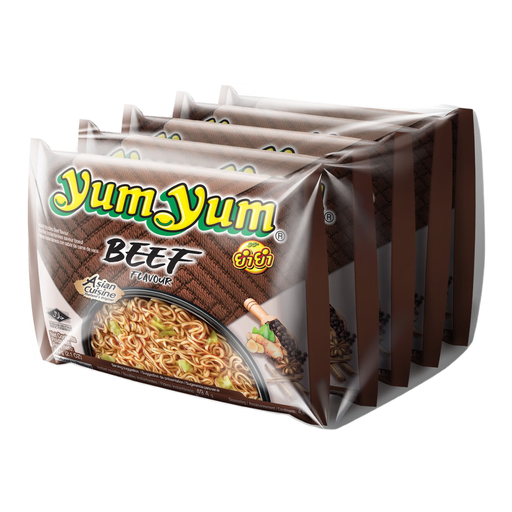
Why this product suits this profile: With five portions, this pack lets you discover beef noodles without filling an entire cupboard.
The product page clearly states the total weight, number of sachets and the presence of gluten and soya.
Ready in just a few minutes, with individual sachets and a beef seasoning enhanced with garlic, ginger and spices.
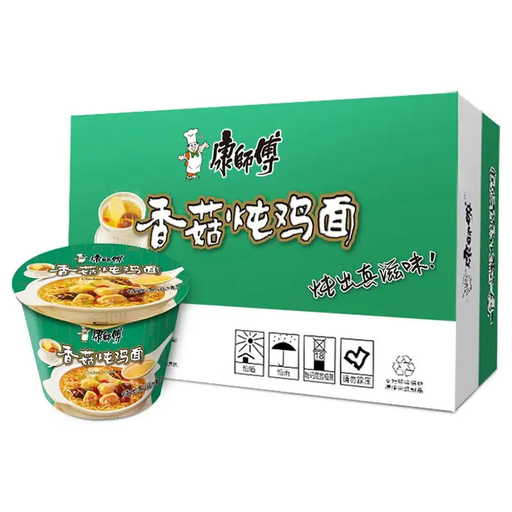
Why this product suits this profile: Separate sachets of sauce, powder and vegetables are ideal for those who enjoy a more involved preparation.
The ingredients list specifies shiitake mushrooms, carrot and spring onion, as well as the allergens peanuts, soya and sesame.
A box of 12 portions with a mushroom and chicken flavour, including several clearly identified dehydrated ingredients.
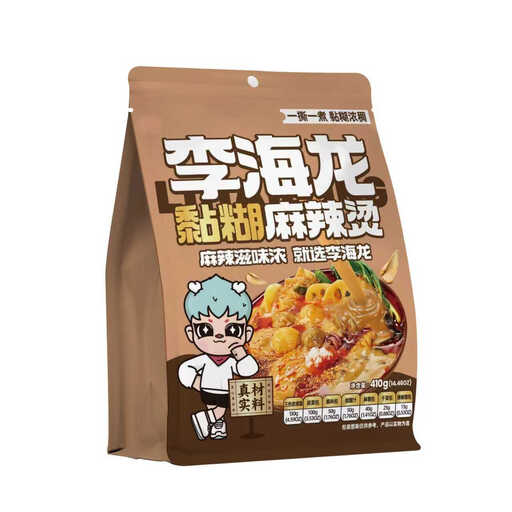
Why this product suits this profile: This complete format is designed for spicy noodle lovers who have a saucepan to hand and enjoy creating their own bowl.
The cooking time, volume of water and gradual addition of vinegar and chilli oil are clearly stated.
Noodles, vegetables, sesame and peanut paste, sauce and chilli oil combined in a 410 g format.
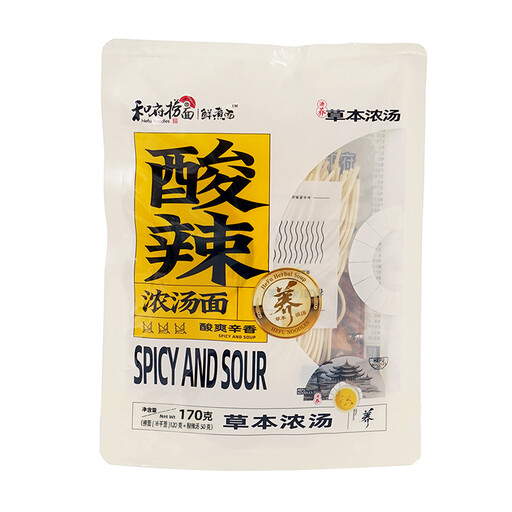
Why this product suits this profile: Its cup format and boiling-water preparation are perfectly suited to a break without access to a fully equipped kitchen.
The product page states a waiting time of 4 to 5 minutes and highlights the presence of gluten, soya and egg.
Non-fried noodles and a vinegar sachet let you adjust the hot and sour flavour to suit your taste.
We have put together a complete, real-time selection of products that meet these exacting criteria and European safety regulations.
Choose a cup format or a recipe explicitly designed for rehydration. Pour in boiling water up to the indicated level, cover and leave to stand for the recommended time. However, please note that malatang products and some rice noodles require proper cooking.
It depends on the product; the shelf life is stated on the packaging. Dry formats can generally be stored at room temperature in a dry place, while refrigerated products are subject to specific requirements. After opening, seal the sachets carefully and follow the manufacturer’s instructions.
Start by comparing the ingredients list, allergens and type of noodles. Beef and chicken recipes often offer richer broths, while mushroom versions place greater emphasis on shiitake mushrooms and dehydrated vegetables. For a more intense flavour, also explore spicy recipes and hot and sour soups.