
Livraison le jour même ou le lendemain

Qualité garantie

Débloquez vos offres de bienvenue: Livraison GRATUITE | Jusqu'à -80 % | 30 jours d'essai gratuits à JoyPlus
Téléchargez l'application
Making a Chinese hot pot at home is a wonderful way to bring everyone together around a fragrant broth, thinly sliced meat, and ingredients you cook right at the table. Choosing the right ingredients for Chinese hot pot does require a bit of care, though. Some bundles group several products together without clearly listing allergens, while others offer meat that is too thick for quick cooking or a soup base that is particularly salty.
Here are the points to check before you buy, along with a selection suited to different needs in the UK.
Shin or blade steak are perfect for long, slow cooking, but they won't give you the same result as a thin slice dipped into a simmering broth for just a few seconds. To prepare a Chinese fondue at home, go for a pre-sliced, even cut, usually sold frozen.
Frozen beef slices must be kept at –18 °C or below until you're ready to use them. Also check whether they need to be slightly thawed to separate the slices, or whether they can be dropped straight into the broth while still frozen.
The term "wagyu beef" alone doesn't tell you the format, country of origin, grade, or intended use of the meat. A thick slice meant for the grill will behave very differently from a thin sliver designed for hot pot.
So take the time to read the product page: the origin, weight, cut, stated thickness, and storage conditions are often far more informative than a simple promise of quality.
A hot pot soup base can contain soya, sesame, peanut, milk, wheat, or mustard. You should check the label before buying, especially when several people are sharing the same pot.
Some bases are also very high in salt. The HaoRenJia Hot Pot Soup Base for Beef and Lamb Slices, for example, contains 24.6 g of salt per 100 g. According to the instructions provided, it should be diluted in around 1,000 to 1,200 ml of water or stock.
For beef, choose thin, even slices. They cook quickly in a simmering broth and can also be used in stir-fried noodles, beef rice, or a grill dish.
The quantity depends on how many people you're serving and the variety of accompaniments. For a meal that includes meat, dumplings, vegetables, and Chinese vermicelli, allow a reasonable portion per person, then adjust according to appetite.
For a more versatile approach, you can compare the following cuts:
A spicy hot pot broth quickly brings notes of chilli and spices. The Hao Ren Jia base combines broad bean paste, chilli, Sichuan pepper, star anise, and cinnamon. Described as suitable for beef and lamb, it can also be used in certain braised dishes.
If you enjoy tangy, punchy flavours, the Haidilao Spicy Sour Beef Hot Pot Soup Base contains pickled chilli, garlic, and various spices. According to the product page, it can also be used for noodles or a marinade.
When in doubt, start with the recommended quantity, taste the broth after diluting, and have a mild base on hand if children or anyone sensitive to chilli is joining in.
Chinese vermicelli have a soft texture and easily absorb the flavours of the broth. The Jingxianfang format in the bundle contains 97% wheat starch and 3% pea starch. They are rehydrated in warm water before finishing their cooking in the broth.
Depending on your tastes, also add:
Dumplings must be cooked all the way through. The Meng Fu mix includes fish, pork, squid, and beef dumplings. The allergens include fish, molluscs, egg, soya, wheat, and sesame.
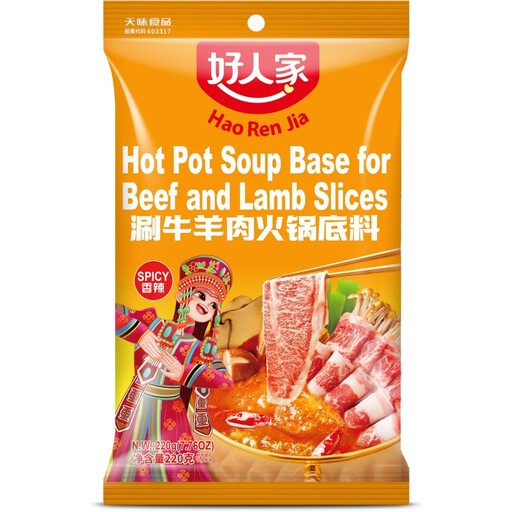
Why this choice suits this profile: This ready-to-dilute base simplifies making a Sichuan-style broth without having to source each spice separately.
The dosage and dilution are stated on the packaging. The allergen list includes wheat, soya, sesame, peanut, and milk.
A 220 g format, simple preparation in a few steps, and the option to use it in spicy braised dishes.
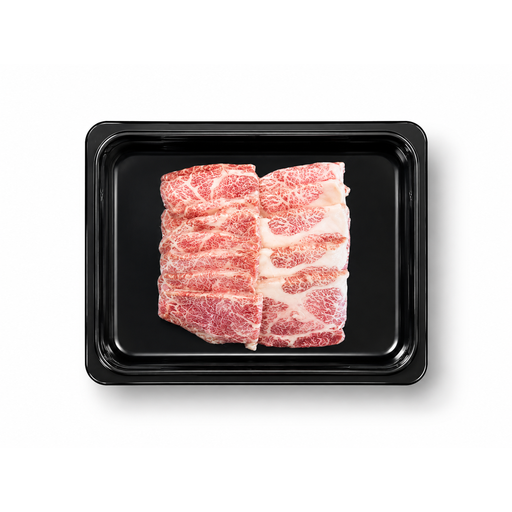
Why this choice suits this profile: This small pack lets you reserve a particularly marbled meat for a special tasting, alongside other Chinese hot pot ingredients.
The 200 g weight and "chuck rib" cut are clearly stated: you can adjust the quantity without buying a large pack.
The Japanese origin and A5 grade are mentioned. The format works well for both yakiniku and quick cooking.
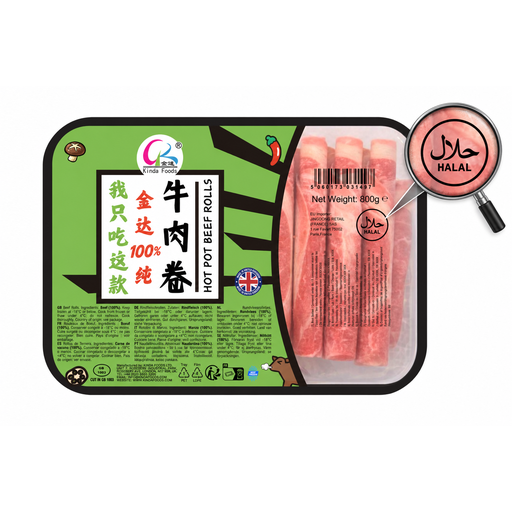
Why this choice suits this profile: The large pack is ideal for big families, gatherings with friends, and professional kitchens looking for evenly sliced meat.
The meat is stated as 100% beef, uniformly sliced, and individually packed in frozen form.
The British origin and halal certification are stated. The 800 g pack can also be used for stir-fried dishes.
We have compiled a complete, real-time updated list of products that fully meet these strict selection criteria and European safety regulations.
Keep frozen products at –18 °C or below and never refreeze thawed meat. When the packaging recommends it, thaw the meat in the fridge, then use it promptly. Meat, dumplings, and seafood must be cooked all the way through before serving.
Arrange the ingredients on separate plates and use clean utensils to handle raw meat. Keep the broth hot enough, without letting the pot boil dry. It's a good idea to have a second pan of stock or hot water on hand to top up the level during the meal.
Start with a soup base, 400 to 800 g of thinly sliced meat, vegetables, Chinese vermicelli, and an assortment of dumplings. Add a dipping sauce, then gradually adjust the level of chilli.
Follow the date on the packaging and maintain the cold chain. After thawing, follow the manufacturer's instructions: some meats need to be cooked quickly and must never be refrozen.
Yes, some bases can also be used for noodles, stir-fries, or braised dishes. However, check the dosage, salt content, and allergens before deviating from the instructions.