
Livraison le jour même ou le lendemain

Qualité garantie

Débloquez vos offres de bienvenue: Livraison GRATUITE | Jusqu'à -80 % | 30 jours d'essai gratuits à JoyPlus
Téléchargez l'application
More than just a meal, Chinese hot pot (or hot pot) is a true ritual of sharing and conviviality. While the simmering broth is its heart, the ingredients you dip into it make all the difference. Among them, Chinese hot pot balls reign supreme. But when faced with the frozen food aisle at an Asian supermarket, how do you navigate the options?
This guide is here to help you make sense of it all. Our mission? To give you practical advice for selecting the ingredients that will transform your homemade hot pot into an unforgettable experience.
Before we get to our top picks, let's review some key criteria to help you make the right choice when shopping for Asian hot pot ingredients.
Most Asian fish balls are made from hot pot surimi, the famous fish paste that gives them their wonderfully springy and pleasant texture. The quality of a ball is often judged by its fish or seafood content. Take a look at the ingredients list: a high percentage of fish, cuttlefish, or shrimp meat is an excellent sign. Texture is also a key factor: some are soft, while others are firmer and pleasantly bouncy (the famous bouncy effect).
The secret to a successful hot pot? Variety! Don't be afraid to mix things up and don't limit yourself to just one type of ball.
Think about flavor harmony. With a very spicy broth (like Sichuan style), opt for neutral-tasting balls to balance the heat. Conversely, a mild broth (chicken, vegetable) will be enhanced by more fragrant or stuffed balls, which will add depth and complexity.
Here is our selection of the best balls, praised for their quality and taste by connoisseurs.
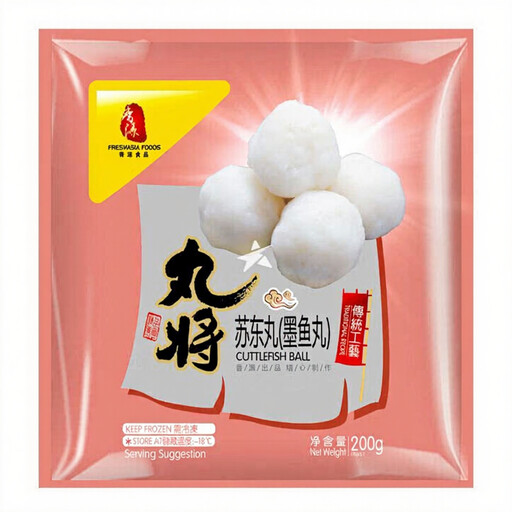
What makes them stand out: These balls are distinguished by their composition, which includes 12.1% real cuttlefish in addition to surimi. The result is a distinct marine flavor and a firm, satisfying texture.
Pros:
Best for: Those looking for a bolder seafood flavor and a texture with a good chew.
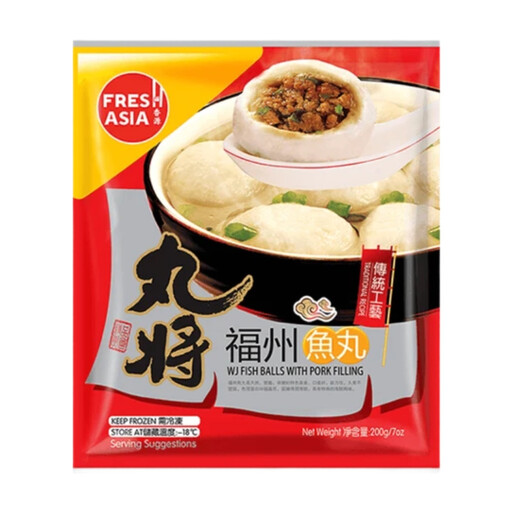
What makes them stand out: Inspired by a specialty from the city of Fuzhou, these balls combine a fish paste casing with a savory minced pork filling, creating a delightful contrast of flavors and textures.
Pros:
Best for: Food lovers who enjoy stuffed fish balls and want to discover a classic regional recipe.
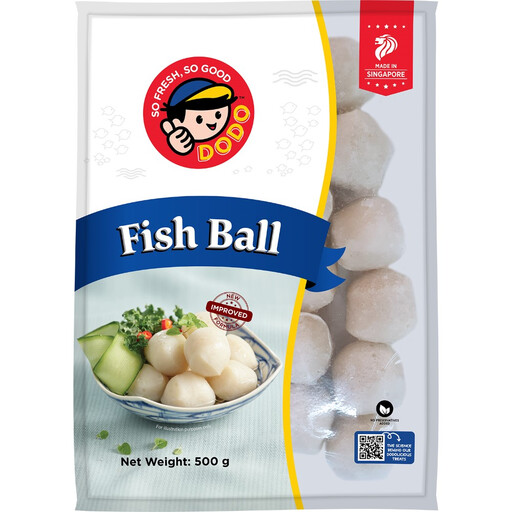
What makes them stand out: DoDo brand balls are renowned for their signature texture, which is both elastic and bouncy (the famous springy effect). Made with 47% surimi, they are a staple of Asian hot pots.
Pros:
Best for: A smart choice for those seeking a classic, high-quality fish ball with that iconic texture.
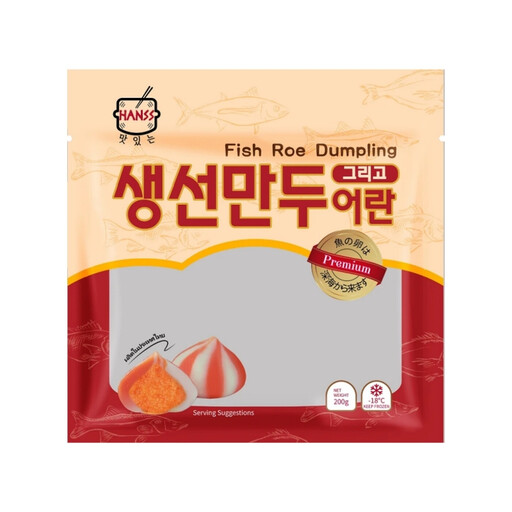
What makes them stand out: More original, these dumplings are as fun as they are flavorful. Their fish paste casing (40% fish meat) encloses a flying fish roe filling that gently pops when you bite into it.
Pros:
Best for: Those who want to spice up their hot pot with a touch of originality and fun, and who love the texture of fish roe dumplings.
Our selection is just a starting point. The world of Asian balls is vast and full of hidden gems to discover: shrimp balls, beef balls, tofu balls, and combinations of vegetables and seafood...
To create the hot pot that's perfect for you, explore our full catalog and let yourself be surprised.
? Discover Our Full Range of Seafood Balls
1. How do you cook frozen Chinese hot pot balls? There's no need to thaw them beforehand. Drop them directly into the simmering broth. Cooking time varies from 3 to 8 minutes depending on their size and ingredients. The trick to knowing when they're done? They rise and float to the surface.
2. What's the difference between fish balls and cuttlefish balls? It's all about texture and taste. Classic Asian fish balls are softer and more tender, with a fairly neutral taste. Cuttlefish balls offer a firmer, denser, and more elastic chew, with a much more pronounced marine flavor.
3. Can these balls be used for anything other than hot pot? Absolutely! These balls are incredibly versatile. You can add them to a noodle soup, stir-fry them with vegetables, put them on skewers, or even microwave them for a few moments for a quick snack.