
Livraison le jour même ou le lendemain

Qualité garantie

Débloquez vos offres de bienvenue: Livraison GRATUITE | Jusqu'à -80 % | 30 jours d'essai gratuits à JoyPlus
Téléchargez l'application
Chinese dried fruits are loved for their chewy textures, sweet-and-savoury combinations, and easy-to-carry formats. But between naturally dehydrated fruits, Chinese candied fruits and seasoned preparations, the differences can be considerable. Reading the label carefully helps you avoid unpleasant surprises and pick a snack that suits your habits.
A product sold as dried mango, a prune or a red date may contain sugar, malt syrup, salt, acidity regulators or preservatives. That doesn't necessarily make it a bad product, but its ingredients won't match those of a simply dehydrated fruit.
For example, dried red dates made from 100% jujube are quite different from Chinese candied fruits that have sugar, syrup or flavourings added.
Marketing claims never replace the ingredients list. A dried Chinese prune can be particularly salty, while a slice of hawthorn often contains sugar or glucose syrup to keep it soft and tangy.
Also remember to check the additives and allergens listed on the packaging. Some products in this selection mention the presence of sulphites. Colours and sweeteners also deserve your attention, especially if the product is intended for children.
A 35g to 100g bag is ideal for a snack or for popping a few bites into your bag. On the other hand, a 500g or 900g pack is better suited to regular consumption, for making tea, porridge or desserts. Buying a large format without planning for an airtight seal can quickly spoil the texture after opening.
Start by looking at the first ingredient on the list. For a ready-to-eat, minimally processed dried fruit, go for a high proportion of fruit. The YYH Dried Xinjiang Jujube Dates 500G, for example, states "Jujube Dates (100%)". The Xue Ji Dried Apples 88g contains at least 70% apple, with sugar, dextrose and acidity regulators.
For a more indulgent recipe, Chinese candied fruits may contain sugar, malt syrup or flavourings. In that case, compare the sugar and salt content per 100g, rather than relying on the bag weight alone.
If you enjoy soft, chewy bites, you'll love dried mango, red dates or hawthorn strips. Prune-based products are generally denser and more intensely flavoured, with salty, tangy or liquorice notes.
Crispy fruits are a category of their own. The Be&Cheery Sweet and Crispy Winter Dates 35g contains at least 80% winter jujube, but also palm oil. So it can't be directly compared to a soft, chewy dried red date.
In the UK, the packaging must clearly show the ingredients, allergens, net weight, nutritional information, best-before date and storage conditions. In particular, check for:
Most products should be stored in a cool, dry place away from light. Resealing the bag after each use helps preserve the softness and limits moisture absorption.
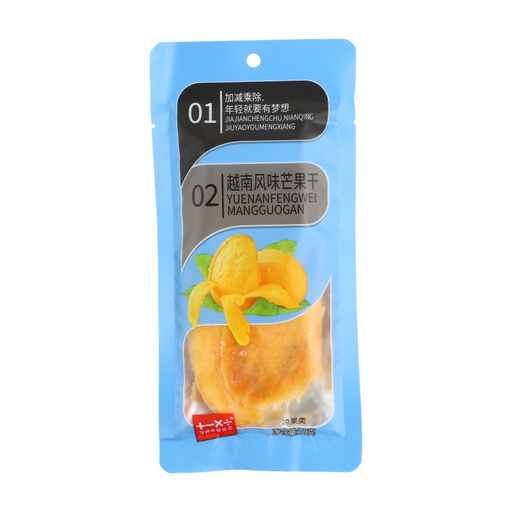
Why this choice suits this profile: Its 70g bag lets you try dried mango without buying a large quantity. The ready-to-eat strips are perfect for a snack, a lunchbox or a journey.
The product page clearly lists the ingredients, the 70g net weight and the presence of sulphites. This smaller format reduces the risk of leaving a large bag open for too long.
Soft strips, ready to eat, 0g fat stated per 100g and a resealable bag.
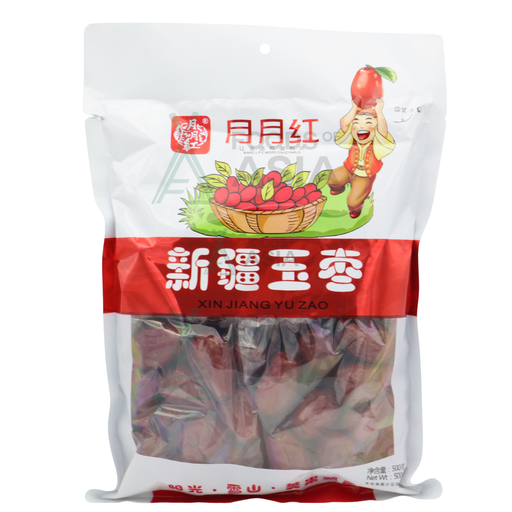
Why this choice suits this profile: Fans of dried red dates with a short ingredients list and clearly stated origin get a family-sized 500g pack here.
The list mentions only jujube. It's still advisable to check for any stones and the information on the packaging before eating.
100% jujube stated, 500g format, described as chewy in texture and suitable as a snack or for cooking.
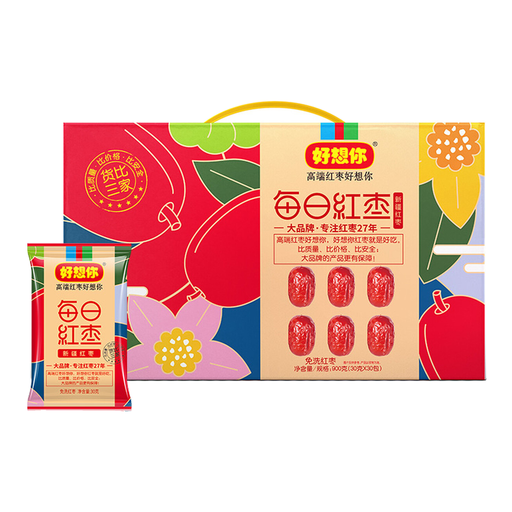
Why this choice suits this profile: The 30 individual 30g bags make storage, sharing and portion control easy, whether at home or in the office.
Individual packaging stops the whole contents being exposed to air after opening. The product page states the dates are whole and contain their stones.
Stated as 100% red dates, 900g total and 30 ready-to-carry bags.
We've put together a complete, real-time updated list of products that fully meet these strict selection criteria and European safety regulations.
No. Some products, such as jujubes stated as 100%, don't list any added sugar in their ingredients. Others, particularly hawthorn slices, mangoes or Chinese candied fruits, may contain sugar, syrup or sweeteners. The ingredients list remains the most reliable guide.
It depends on the product and the instructions on the packaging. In any case, reseal the bag carefully and store it in a cool, dry place away from light. Individual portions limit exposure to air and moisture.
Yes. Dried jujubes can be added to an infusion, porridge, soup or dessert. Mangoes, apples, prunes and hawthorn are best enjoyed as they are, but can also enhance certain Chinese sweet-and-savoury dishes. Always check for any stones and adjust the quantities to your recipe.