
Livraison le jour même ou le lendemain

Qualité garantie

Débloquez vos offres de bienvenue: Livraison GRATUITE | Jusqu'à -80 % | 30 jours d'essai gratuits à JoyPlus
Téléchargez l'application
Dried fruit snacks can fit into all sorts of everyday routines: an afternoon break at work, a family lunchbox, a fruity snack to take on a trip or a chance to discover Chinese dried fruit. But not all products are the same. A soft texture may come from added sugar, while a handy little packet can work out particularly expensive per kilogram.
Before buying dried mango, dried apples, dried blueberries or hawthorn-based specialities, a few simple checks can help you avoid any unpleasant surprises.
Seeing the word “fruit” on the packaging doesn’t necessarily mean the recipe is low in sugar. Some products in this selection contain a high proportion of fruit, as well as sugar, maltose syrup or other sweetening ingredients.
Remember to check:
Dried fruit can contain sulphites, including sulphur dioxide or sodium metabisulphite. Several mango, strawberry, apricot and apple products in this selection list this allergen. If you’re sensitive to sulphites, read the label carefully before eating the product.
Recipes combining fruit with chocolate, milk or cheese also need a closer look. A product may be suitable for your own snack break but not for a lunchbox that’s going to be shared.
A 50 g pack may look cheap, but its price per kilogram could be far higher than that of a family-size pack. On the other hand, a box of individual portions may cost more, while helping to reduce waste and making it easier to keep track of how much you eat.
To compare products fairly, look at:
Traditional drying usually gives fruit a soft or chewy texture, as with dried mango, prunes and apricot slices. Freeze-drying, by contrast, produces a light, crunchy texture. Freeze-dried fruit is handy for snacks and days out, but because it weighs so little, it can be easy to eat several portions without really noticing.
So the right choice depends on how you plan to enjoy it:
To compare two products objectively, use the per-100 g information rather than relying on marketing claims alone. The differences can be significant: Three Squirrels dried blueberries contain 326 kcal and 65.2 g of sugars per 100 g, while cranberries from the same range contain 384 kcal and 78.4 g of sugars per 100 g.
These figures aren’t medical advice. They’re simply there to help you choose a product that suits your habits and preferences.
Individual 10–16 g packs are convenient for work, journeys and portions for children, with appropriate supervision for their age. Packs of 150–500 g are more practical for sharing, baking or regular snacking at home.
Once opened, store the pack in a cool, dry place, away from light. Seal it carefully if the packaging allows, and always follow the date shown on the pack.
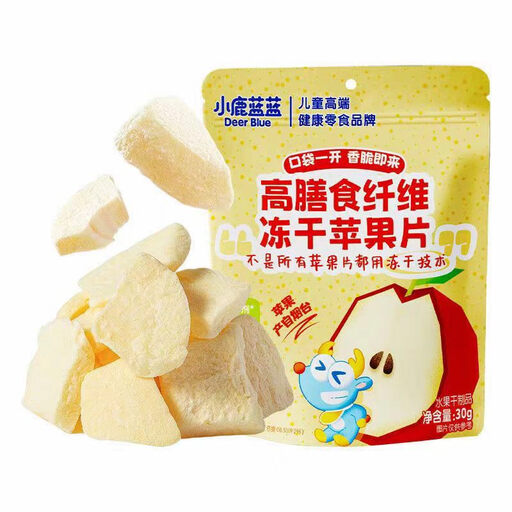
Why it’s a good fit for this shopper: The handy 30 g pack lets you try freeze-dried fruit without committing to a large pack straight away. The apple slices are ready to eat and easy to pop in your bag.
The small pack means you don’t have to buy a large quantity before finding out whether you like the crunchy texture.
Stated to contain at least 99 % apple, in a 30 g pack, with no salt listed and ready to eat.
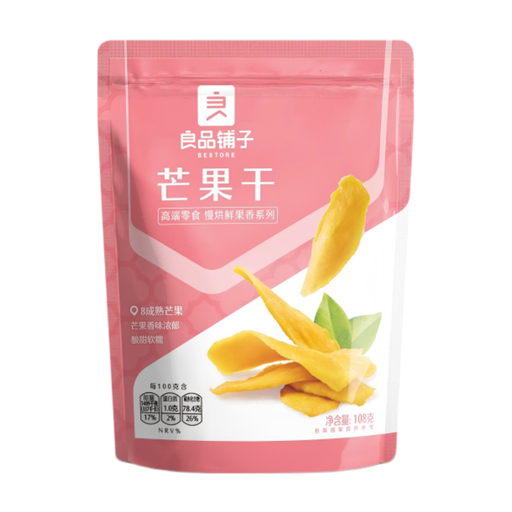
Why it’s a good fit for this shopper: Its thick flesh and soft, chewy texture are ideal if you’re after something more indulgent than a simple crunchy fruit slice.
The product details clearly state that it contains 75,18 % mango, as well as sugar and sulphites, so you can make an informed choice.
108 g pack, ready to eat and described as thick and chewy.
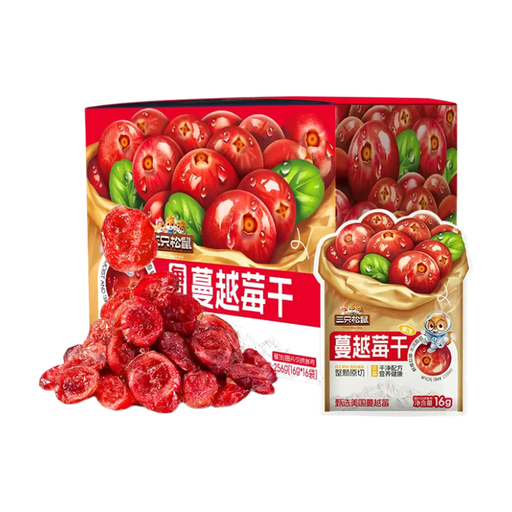
Why it’s a good fit for this shopper: The box of 16 × 16 g packs is handy for work, travel and households looking for an easy way to portion out snacks.
Individual portions reduce exposure to moisture after opening a large pack and make it easier to keep track of how much you’ve eaten.
256 g in total, split into 16 × 16 g packs, with a soft texture and a sweet-and-tart flavour.
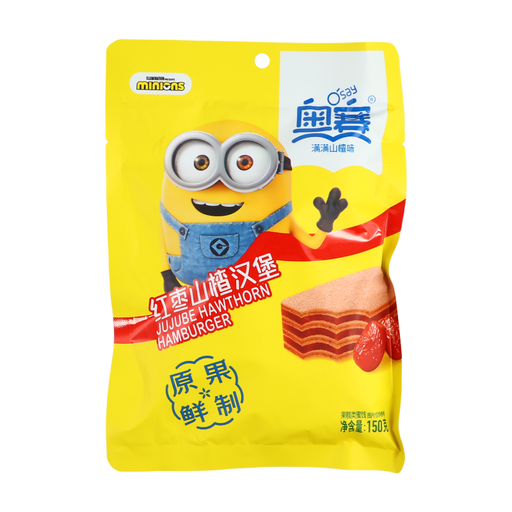
Why it’s a good fit for this shopper: This speciality combines hawthorn and jujube in a fun format, making it ideal for sharing and discovering Chinese flavours.
The ingredients list hawthorn, jujube, sugar and maltose syrup, so there’s no risk of mistaking this product for plain dried fruit.
150 g pack, individually wrapped portions and a soft, chewy texture.
We’ve put together a complete, regularly updated list of products that meet these strict selection criteria and comply with European food safety regulations.
Shelf life depends on the recipe, packaging and the manufacturer’s instructions. Seal the pack carefully, store it in a cool, dry place and eat the product soon after opening. Individual packs generally limit repeated exposure to air and moisture.
Dried fruit is dehydrated to give it a texture that’s often soft or chewy. Freeze-dried fruit is generally lighter and crunchier. Both types can contain naturally occurring sugars, so check the label for the exact ingredients.
For a day out, a 10–30 g pack is easy to carry and portion. For a family, a 150–500 g pack may be more economical by weight, as long as it can be sealed properly. Always compare the ingredients, allergens and nutritional information before buying.