
Livraison le jour même ou le lendemain

Qualité garantie

Débloquez vos offres de bienvenue: Livraison GRATUITE | Jusqu'à -80 % | 30 jours d'essai gratuits à JoyPlus
Téléchargez l'application
Chinese dried fruit is loved for its sweet, tangy or savoury flavours, its convenient format and its long shelf life. But just because a product says “fruit” on the label doesn’t mean it contains only fruit. Added sugars, syrups, preservatives, sulphites and varying textures can significantly change the recipe.
This guide will help you compare Asian dried fruit, steer clear of the most common pitfalls, and choose a snack that fits your everyday life in the UK: a treat, a desk break, an accompaniment to tea, baking or family cooking.
A dried mango, strawberry or pineapple can contain sugar, maltose syrup or glucose-fructose syrup. These ingredients affect the sweetness, texture and shelf life of the product. To find out the actual fruit content, start by checking the ingredients list and, where available, the quantitative declaration.
MUSHAN BASE strawberries, for example, are made with dried strawberries and sugar. Be&Cheery strawberries, on the other hand, state a strawberry content of at least 65%. This information lets you compare recipes beyond what the packaging looks like.
Some dried fruit snacks contain preservatives or acidity regulators. The presence of sulphites must be declared above the applicable regulatory thresholds. They are found in several mango, strawberry, pineapple and plum products.
If you are sensitive to them, check carefully for the “contains sulphites” statement. Colours and sweeteners are also worth a look, especially if the product is intended for children. When in doubt, rely on the French labelling or the product sheet available at the time of purchase.
A 50g to 70g bag is enough for an occasional treat or to pop a snack in your bag. A 500g format is better value for making infusions, desserts or multiple portions. Once the bag is opened, seal it carefully and store it in a dry place away from heat and light.
Start by deciding what type of flavour you’re after:
The word “natural” isn’t enough to judge a recipe. Always check for the possible presence of sugar, salt, flavourings, sweeteners, colours or preservatives.
Dried fruits are concentrated foods: a small portion often delivers an intense flavour, but also a significant amount of carbohydrates. Compare the values per 100g, then take the total weight of the bag into account.
For example, Be&Cheery Dried Mango 120g shows 342 kcal and 72.6g of sugars per 100g, according to its product sheet. Be & Cheer chestnuts show 185 kcal and 15g of sugars per 100g. These figures illustrate the difference between a candied or sweetened fruit and a cooked, ready-to-eat chestnut.
For an Asian fruity snack at the office or on the go, choose a resealable bag or individual packaging. For cooking, 160g to 500g formats are generally more practical. Also check the “ready to eat” statement and the storage instructions.
Hao Xiang Ni jujubes are labelled as washable or non-washable depending on the reference. For products described as “no need to wash”, follow the instructions on the product sheet and the packaging you receive. If the information differs, the statement on the packaging should take precedence.
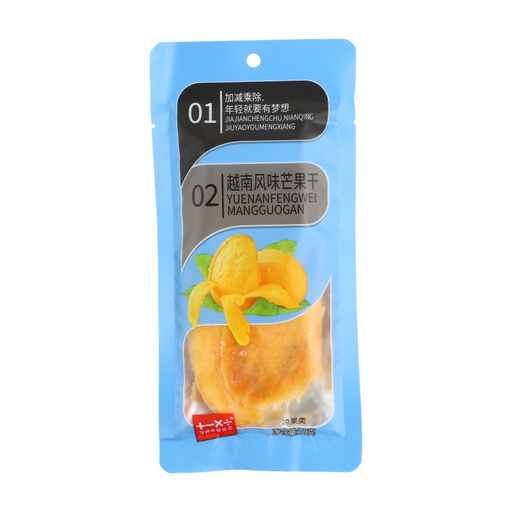
Why this choice suits this profile: Its small bag is perfect for a first try or a snack on the go, without having to buy a large quantity.
The product sheet clearly states the presence of sugar, salt, acidity regulators and sulphites.
Soft mango strips, ready to eat, with 0g of fat per 100g according to the label provided.
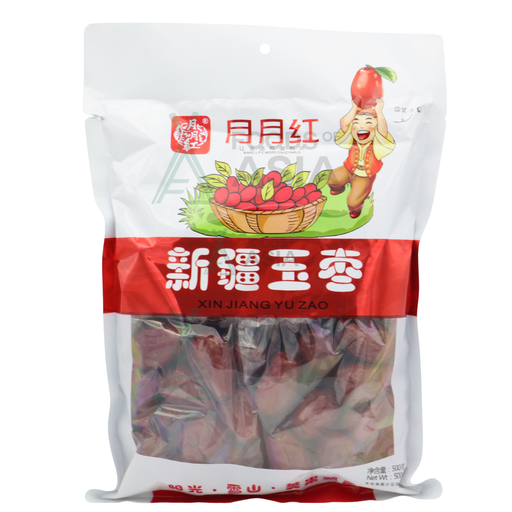
Why this choice suits this profile: Its large format is ideal for whole fruit lovers and households that want to use it in many ways.
The stated ingredients are 100% jujubes, with no added sugar mentioned.
Snack on them as they are, with tea, in porridge, soup or a dessert.
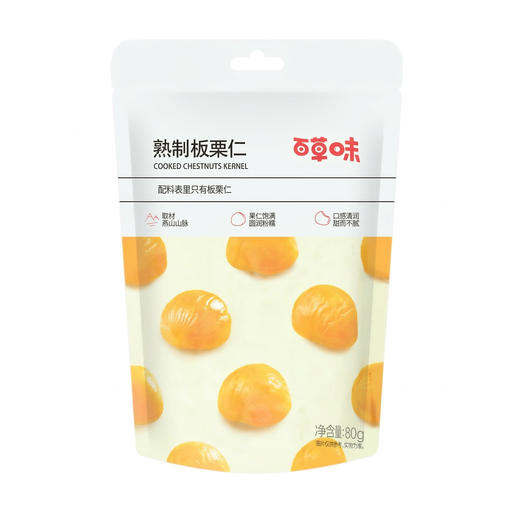
Why this choice suits this profile: Busy people, students and time-pressed cooks have a ready-to-use ingredient without any fiddly preparation.
The ingredients list mentions only shelled chestnuts, with no added seasoning.
An 80g ready-to-eat format that can also be used in rice, soups or desserts.
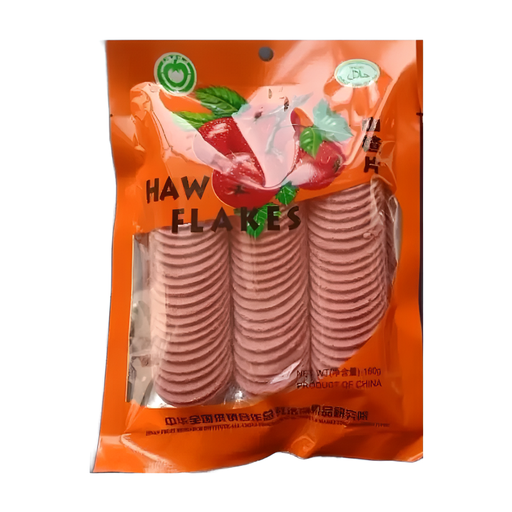
Why this choice suits this profile: Fans of fruity sweets will discover a chewy texture and a characteristic mild-tangy flavour.
The product sheet mentions sugar and an additive, so it’s best to compare this product to a fruity sweet rather than a plain fruit.
A 160g bag ready to eat, ideal for sharing or serving with tea.
We’ve put together a comprehensive, regularly updated selection of products that meet these exacting criteria and European food safety standards.
No. Jujubes labelled as 100% and some ready-to-eat chestnuts have a very short ingredients list. On the other hand, many mangoes, strawberries, plums and hawthorn slices contain sugar, syrup or sweeteners. The ingredients list remains the best indicator.
It depends on the product. Follow the date on the packaging, seal the bag carefully and store it in a cool, dry place. After opening, some products need to be eaten quickly to preserve their texture and prevent them from absorbing moisture.
Yes. Dried jujubes can flavour tea, soup or a dessert. Ready-to-eat chestnuts are easily added to rice, stews and baked goods. Chinese candied fruits, plums and hawthorn slices are best enjoyed as they are or with a hot drink.