
Livraison le jour même ou le lendemain

Qualité garantie

Débloquez vos offres de bienvenue: Livraison GRATUITE | Jusqu'à -80 % | 30 jours d'essai gratuits à JoyPlus
Téléchargez l'application
The secret to authentic Chinese cuisine? It's often hidden in one ingredient that makes all the difference: Chinese cooking wine. Essential for a tender Dongpo pork or to elevate a simple marinade, the right wine can transform a dish. But between Shaoxing, Huadiao, and various flavoured versions, it's hard to navigate the options.
This guide is here to shed some light. As the Head of Product Recommendations at Joybuy, my role is simple: to give you practical advice to find the product that truly meets your needs, without the marketing fluff. Together, let's break down the different types of cooking wines, their uses, and discover our selection available at our online Asian grocery store.
Before you check out, here are a few key points to ensure you make the right choice.
These two names are often used interchangeably, but they refer to quite different products.
The right wine for the right job! Your choice will depend on what you plan to do with it.
Cooking wines come in various sizes. For occasional home use, a 500ml or 640ml bottle is more than enough. If you cook Asian food weekly or for professional restaurant use, the larger formats (1.75L or even 3.785L) are much more economical.
Let's get practical! Here is our selection of bottles, each suited for a specific culinary use.
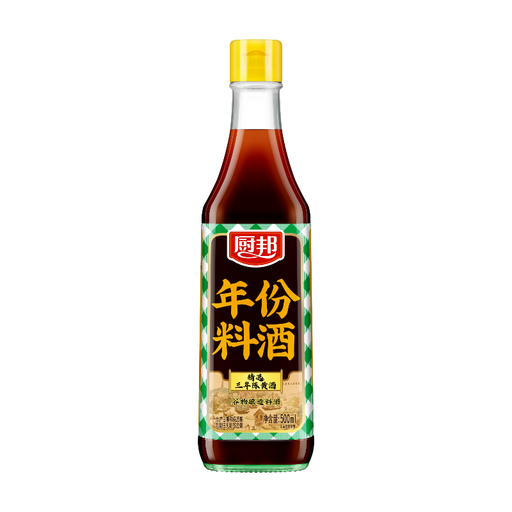
Why it stands out: This Chubang cooking wine is an excellent all-rounder to have in your pantry. With 87% rice wine, it's an authentic and incredibly effective seasoning for most of your recipes.
Key features:
Who is it for? For those looking for a reliable and versatile Chinese cooking seasoning, whether you're just starting out or for everyday dishes.
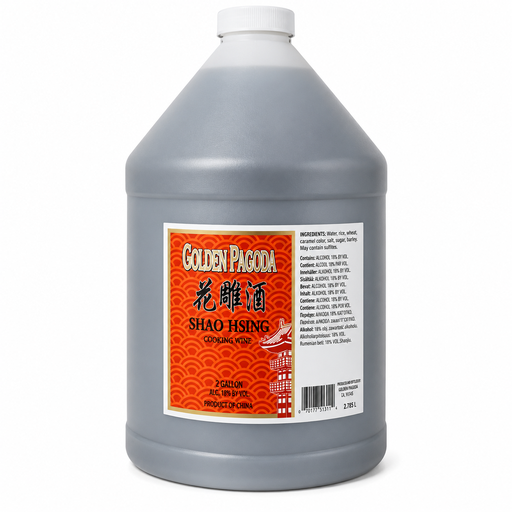
Why it stands out: An authentic Shaoxing cooking wine in an XXL format. With its 14% alcohol and 1% salt, it's designed for professional kitchens or very regular home use.
Key features:
Who is it for? Restaurant professionals, caterers, or large families who use Chinese cooking wine frequently.
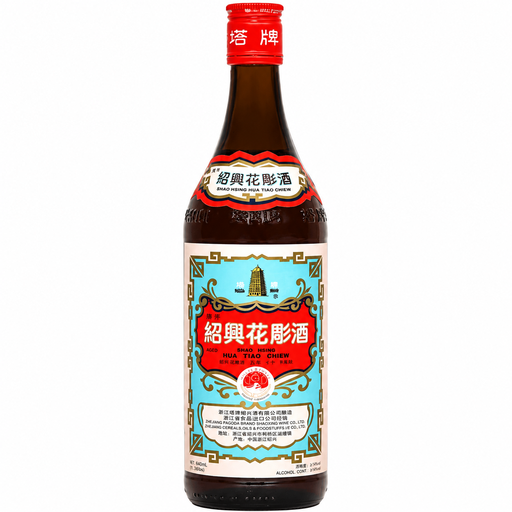
Why it stands out: A step up in quality with this Huadiao wine from Golden Pagoda. Made from glutinous rice, it offers a richer, more refined flavour that is equally suited for cooking and sipping.
Key features:
Who is it for? Discerning cooks who want to elevate their dishes or those looking for a versatile wine that's as good for cooking as it is for drinking.
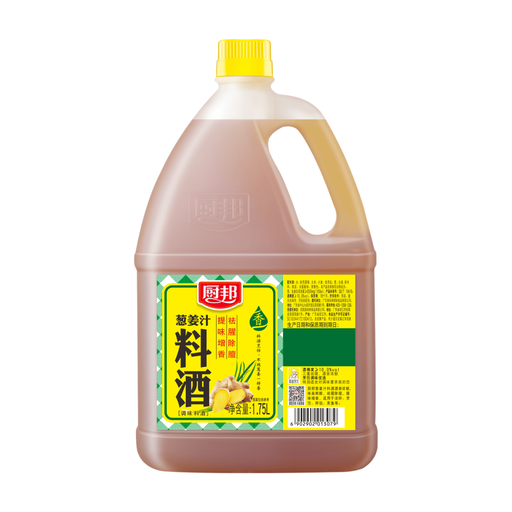
Why it stands out: The ultimate 3-in-1 solution! This version from Chu Bang directly incorporates two other pillars of Chinese cooking: ginger and scallion. A huge time-saver for marinades.
Key features:
Who is it for? For busy cooks looking for an ultra-effective, all-in-one product for their daily marinades and cooking.
Cooking wine is a cornerstone, but acidity is another key component in many Asian dishes. To complete your flavour arsenal, explore our selection of vinegars that will add zest and complexity to your creations.
Discover our range of wine vinegars
Shaoxing wine is a specific and renowned variety of Chinese rice wine, much like Champagne is a type of sparkling wine. The term "rice wine" is much broader and includes other alcohols like Japanese sake or mirin (a sweet rice wine). In Chinese cuisine, Shaoxing is the benchmark.
Run out of Shaoxing wine? The best substitute is dry sherry, which has a fairly similar aromatic profile. However, for a truly authentic result, nothing beats a real Chinese cooking wine. Avoid table white wines at all costs, as they are far too fruity or acidic for this purpose.
Thanks to the salt it contains, cooking wine keeps very well. Once the bottle is opened, simply close it tightly and store it in a cupboard, away from heat and light. There's no need to refrigerate it, unless you want to preserve the aromas of a high-quality Huadiao for the long term.