
Livraison le jour même ou le lendemain

Qualité garantie

Débloquez vos offres de bienvenue: Livraison GRATUITE | Jusqu'à -80 % | 30 jours d'essai gratuits à JoyPlus
Téléchargez l'application
The Chinese cleaver, with its imposing rectangular blade, is an incredibly versatile tool. Far more than a simple chopper, it can mince, slice, crush, and even double as a bench scraper to transfer ingredients. Yet, with a dizzying array of options on the market, finding the right model can quickly become a headache. Our mission is to bring you clarity, helping you find the perfect tool for your needs while avoiding the most common pitfalls.
A poor choice can turn meal prep into a chore. Here are the most frequent traps that lead to buyer's remorse.
To choose a Chinese cleaver that will serve you for years to come, here are the three technical points to examine closely.
The choice of steel directly determines your knife's sharpness, longevity, and maintenance needs.
The blade geometry you should choose depends on how you plan to use it.
How the blade is anchored into the handle is a critical marker of quality. Always opt for a full-tang construction. This means the steel of the blade is a single piece that runs through the entire handle. This architecture guarantees perfect balance, rock-solid durability, and optimal force transfer.
Here are a few models that suit different profiles, all selected based on the quality criteria we've just covered.
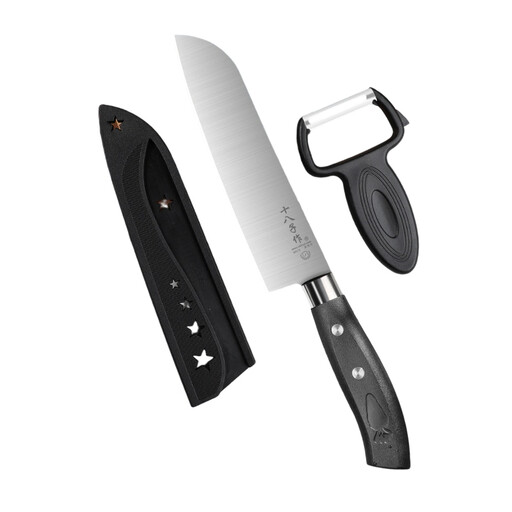
Why we chose it: Perfect for getting started with a Chinese chef's knife. This set combines a versatile knife for everyday tasks (vegetables, boneless meats) with useful accessories, all at a very accessible price point.
This knife is clearly presented as an all-purpose tool for vegetables and tender meats, which eliminates any confusion with a bone chopper. Its blade is designed for agility, not brute force.
An excellent value for taking your first steps with a functional and low-maintenance Chinese knife.
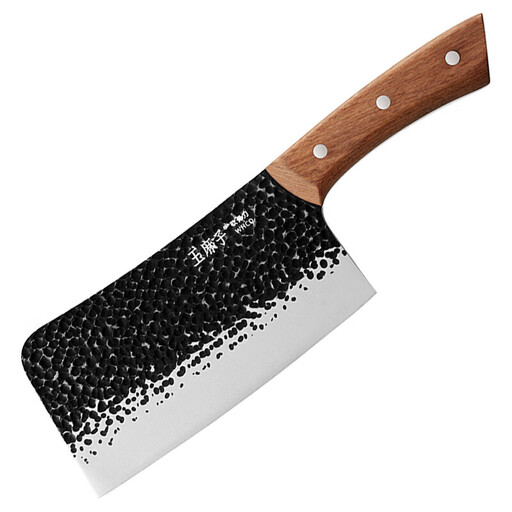
Why we chose it: Tailor-made for the toughest jobs. This is a must-have for anyone who regularly prepares whole poultry, pork ribs, or other bone-in cuts.
Its name leaves no room for doubt: it's a "Bone Chopper." Its thick blade and weight are optimized for power, clearly distinguishing it from a slicing knife and preventing improper use.
A high-carbon steel construction and a specialized design deliver formidable efficiency on heavy cuts where a standard knife would fail.
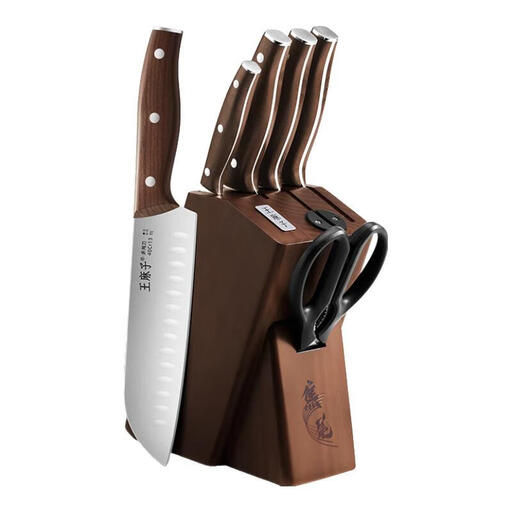
Why we chose it: The ultimate solution for those who want to seriously equip their kitchen with the complete Chinese culinary arsenal. This Wangmazi knife set includes a cleaver, a chef's knife, shears, and other blades to handle any task.
By offering a cohesive collection, this set ensures you have the right tool for the right job. You get both a heavy-duty cleaver and finer knives, eliminating the risk of using the wrong blade out of necessity.
Consistent build quality (40Cr13 steel, beechwood handles) and a traditional aesthetic. A smart investment for a kitchen that's ready for action.
Explore our complete selection of knives that meet our demanding criteria for quality, performance, and safety.
Maintenance is simple but must be rigorous. Wash the knife by hand (never in the dishwasher!) with warm water and a little dish soap immediately after use. Never let it soak in the sink. Dry it meticulously with a soft cloth. For maximum protection, you can apply a thin film of food-grade mineral oil to the blade before storing it.
An all-purpose cleaver (the piàndāo type) is incredibly adaptable. It can chop herbs, mince vegetables, slice meat, and even crush garlic with the flat of its blade. However, it is not designed for tackling bones, frozen foods, or hard-crusted bread. For those tasks, a dedicated bone chopper or bread knife remains essential.
Although both are highly versatile chef's knives, their shape and function differ. The Chinese cleaver has a tall, rectangular blade whose weight ensures a clean cut and allows it to be used as a scoop to pick up food. The Santoku, on the other hand, has a shorter, lighter blade with a curved tip (a "sheep's foot" design), making it very agile for precision cuts and a rocking motion. The final choice will largely depend on your cutting style and kitchen habits.