
Livraison le jour même ou le lendemain

Qualité garantie

Débloquez vos offres de bienvenue: Livraison GRATUITE | Jusqu'à -80 % | 30 jours d'essai gratuits à JoyPlus
Téléchargez l'application
The world of Chinese chili sauce is a flavourful jungle where it's easy to get lost. Between indecipherable labels and promises of "authentic flavours," you can quickly make a mistake and leave with a jar that doesn't meet your expectations at all. Our mission? To help you navigate this vast offering and make the right choice, every time.
Before you fill your cart, let's review the 3 rookie mistakes that can ruin your dish:
To avoid these pitfalls, you just need to master a few simple concepts. Once these distinctions are clear, you'll confidently choose the sauce that will take your dishes to the next level.
A sauce's texture determines its use. This is the very first thing to check.
This is the heart of the matter. What kind of sensation are you looking for?
To help you see more clearly, here are our recommendations, each suited for a specific use.

Why we chose it: It's the Swiss Army knife of condiments. Ideal for those who want to instantly elevate their everyday dishes (rice, noodles, fried eggs) without tackling a complicated recipe.
It's a ready-to-use chili oil. You can't go wrong: just open and pour. Its rich and balanced flavour profile is perfect for getting started.
The combination of fermented black soybeans and chilies creates a deep umami and an addictive crunchy texture, going far beyond a simple chili oil.
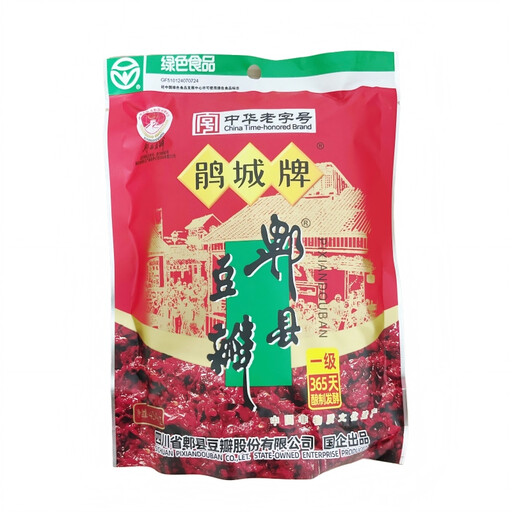
Why we chose it: Essential for making authentic Sichuan dishes like twice-cooked pork or mapo tofu. It's the secret ingredient that will give your recipes that deep, inimitable flavour.
This is a chili bean paste (doubanjiang), a cooking ingredient, not a condiment. Its role is clear and specific, which prevents it from being used incorrectly on a finished dish.
This brand is a true institution, with craftsmanship recognized as an intangible cultural heritage in China. It guarantees a fermented flavour with a richness and complexity that's impossible to replicate.
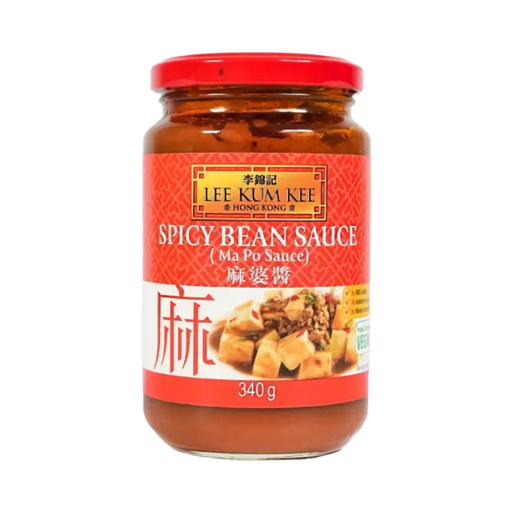
Why we chose it: For mapo tofu fans who want a perfect result without having to buy and measure out doubanjiang, Sichuan pepper, garlic, and other spices. An all-in-one solution for a successful dish every time.
This all-in-one sauce saves you from buying a multitude of ingredients that will end up forgotten. Designed for a single dish, its use is crystal clear and guarantees a perfect *málà* balance.
Simplicity above all. Lee Kum Kee has done all the measuring work for you. The result? The authentic flavour of mapo tofu, with just the right amount of tingle from the Sichuan pepper, completely hassle-free.
Discover our complete selection of chili sauces, all chosen for their quality and authenticity.
What's the difference between doubanjiang and a chili oil like Lao Gan Ma? It's all about how you use it! Doubanjiang is a raw ingredient, a very salty chili bean paste that must be cooked to release its aromas. Conversely, Lao Gan Ma chili oil is a ready-to-use condiment that you add as a finishing touch to a dish, right before eating.
How should I store my Chinese chili sauce after opening it? Thanks to their high salt and oil content, most of these sauces keep for a very long time. The best practice is still to refrigerate them after opening to preserve their freshness as much as possible. Most importantly, always use a clean spoon to serve yourself to avoid contaminating the rest of the jar.
Is Sichuan pepper a real pepper or a chili? Neither, and this is a very common confusion! Sichuan pepper (huājiāo, 花椒) has nothing to do with black pepper or chili. It is the berry of an Asian prickly ash tree. Its specialty isn't heat (là), but rather a unique, slightly citrusy tingling and numbing sensation on the tongue: the famous má. It's the combination of the two that creates the iconic málà flavour.