
Livraison le jour même ou le lendemain

Qualité garantie

Débloquez vos offres de bienvenue: Livraison GRATUITE | Jusqu'à -80 % | 30 jours d'essai gratuits à JoyPlus
Téléchargez l'application
Feeling lost in the virtual aisle of an Asian grocery store, staring at a wall of red jars? Chili oil, chili crisp, hot sauce… The labels look similar, but the ingredients vary, and choosing the right condiment to elevate your noodles, rice, or dumplings can quickly become a puzzle. Which one will give you that addictive crunch, that comforting heat, or that distinctive umami flavour?
This guide is here to shed some light. At Joybuy, our mission is to unearth and decode the best finds for you. Forget the marketing jargon: we get straight to the point with practical advice to help you choose the Chinese chili oil that will transform your dishes.
Before diving into our selection, let's review a few essential criteria to ensure you make the right choice.
This is the first thing you'll notice.
Heat isn't everything! Each oil has its own unique flavour signature.
Finally, ask yourself what its main use will be.
Here are three top contenders, each with a distinct personality, to start your exploration of Asian hot sauce.

Why it stands out: This oil embodies the authentic flavour of Hunan province, renowned for its spicy cuisine. The use of wild peppers and fermented soybeans gives it a rustic, powerful, and intensely aromatic character that sets it apart from more standardized oils.
Highlights:
Who is it for? For lovers of authentic, powerful flavours looking to replicate the taste of Hunan cuisine. It's the ideal choice for those who enjoy a frank heat and pronounced salty notes, perfect for awakening the simplest dishes.
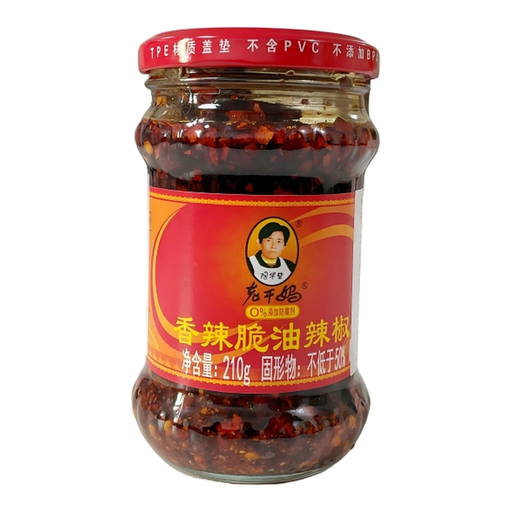
Why it stands out:Lao Gan Ma is arguably the most iconic chili crisp brand in the world. Its popularity is built on a masterful balance between the heat of chili flakes, the crunch of peanuts and soybeans, and the richness of its aromatic oil.
Highlights:
Who is it for? Ideal for those new to the world of chili crisp or anyone looking for a versatile, all-purpose condiment. If you're seeking an addictive, textured condiment with moderate heat but plenty of flavour, go for it!
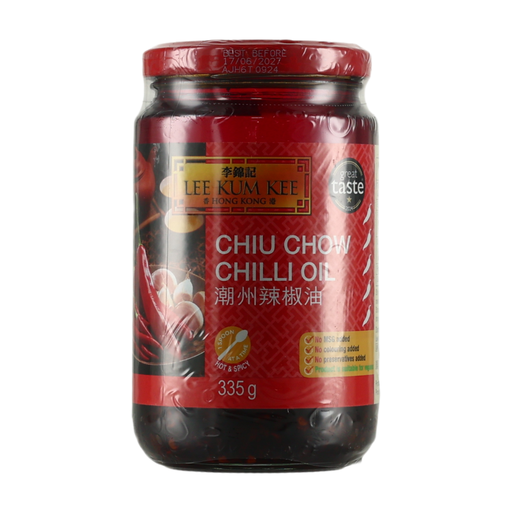
Why it stands out: Hailing from the culinary tradition of Chiu Chow (Chaozhou), this oil from Lee Kum Kee emphasizes the aroma of garlic. Unlike a chili crisp, its texture is smoother, dominated by fried garlic and dried chilies that infuse a flavourful soybean oil.
Highlights:
Who is it for? For cooks looking for an aromatic chili oil to incorporate into their dishes rather than just a finishing condiment. If you're a die-hard garlic lover, this version is a must-have.
This selection represents some of the most popular options, but the world of Chinese chili sauce is vast. Every region, and even every family, has its own recipe. To discover other gems, from milder to more explosive oils, and to find the treasure that will elevate your dishes, feel free to explore our complete selection.
Discover Our Full Range of Chili Oils
1. What is the difference between chili oil and “?chili crisp?”? To put it simply, chili oil is primarily a chili-infused oil that adds fragrance and heat in liquid form. Chili crisp, on the other hand, is a condiment packed with solid, crunchy ingredients (fried chilies, garlic, soybeans, peanuts, etc.) bathing in oil. You eat it by the spoonful for its texture, whereas the oil is used more like a seasoning.
2. How should I store my chili oil? Before opening, keep the jar in a cool, dry place away from direct sunlight. After opening, store it in the refrigerator. This will preserve the freshness of the ingredients and prevent the oil from going rancid. Always remember to use a clean spoon to serve yourself to avoid any contamination.
3. Can you cook with chili oil? Yes, but with a few precautions. Oils rich in sediment (garlic, fried chilies, etc.) can burn at high temperatures and make the dish bitter. It's best to add them at the end of cooking or use them for very quick stir-fries. Smoother oils with fewer particles can handle heat better.