
Livraison le jour même ou le lendemain

Qualité garantie

Débloquez vos offres de bienvenue: Livraison GRATUITE | Jusqu'à -80 % | 30 jours d'essai gratuits à JoyPlus
Téléchargez l'application
Forget the one-note hot sauce that just burns. Chinese chili oil is a powerhouse of flavour, aroma, and texture, capable of transforming the simplest dish into an unforgettable experience. But with so many varieties, from Sichuan specialties to Hunanese creations, finding the perfect jar can quickly become a challenge.
This guide is here to demystify the subtleties of this Asian culinary treasure. We'll give you everything you need to know to choose the oil that will elevate your dishes, whether you're looking for a dumpling dip, a noodle flavouring, or a way to awaken a simple bowl of rice.
To find that perfect jar, a few key criteria can help you decode the character of each oil.
Not all chili oils are created equal. The most famous is undoubtedly the málà (麻辣) flavour, a hallmark of Sichuan province. Its signature? A unique dual sensation: the heat of the chili (là, 辣) and the citrusy, almost numbing note of the Sichuan peppercorn (má, 麻). Other oils focus on a smoky fragrance, a savoury flavour from fermented chili or soybeans, or even toasted notes of sesame and peanut. Ask yourself if you're looking for raw heat, aromatic complexity, or deep umami.
The foundation of any Chinese chili oil is a vegetable oil (often rapeseed or soy) in which chilies and spices have been slowly infused. The quality and type of these ingredients make all the difference. Many recipes also include solid ingredients that add texture and flavour:
The ingredients list is therefore your best tool for anticipating the product's flavour profile.
Think about how you plan to use it. Are you looking for a sauce for your dumplings? Opt for an oil rich in solids (like garlic or fermented soybeans). Need a chili oil for noodles? A more liquid, highly fragrant version will be ideal for coating the pasta. For a versatile, all-purpose condiment to use at the table or as a finishing touch on a stir-fry, a balanced oil with both heat and aroma will be your best bet.
Here are a few gems we've selected, each with its own distinct personality.

Why we love it: This is the very embodiment of Sichuan chili oil. It combines chili, sesame, and Sichuan peppercorns in a rapeseed oil base for a perfect balance of fragrance, heat, and the famous numbing málà sensation.
Key features:
Who is it for? For lovers of Sichuan cuisine and anyone looking to bring that unique, simultaneously spicy and numbing sensation to their plates.

Why we love it: Inspired by Hunan cuisine, this Chinese chili sauce showcases fermented chili and soybeans. The result is a powerful, savoury condiment bursting with umami, earning it a telling nickname in China: the “rice thief”.
Key features:
Who is it for? For those who prefer deep, savoury flavour over simple heat. Ideal for giving serious character to the most basic dishes.
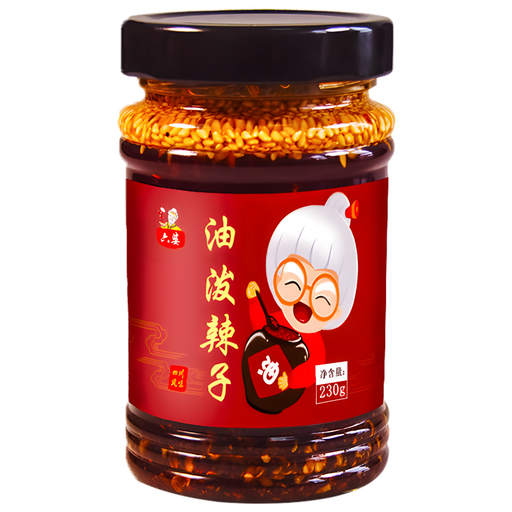
Why we love it: This oil stands out for its aromatic richness and gentle heat. The addition of sesame and peanuts gives it a crunchy texture and toasted notes that round out the chili's warmth.
Key features:
Who is it for? For those who appreciate controlled heat and are primarily seeking aromatic complexity. A perfect, gentle introduction to the world of chili oils.

Why we love it: This one gets straight to the point with a minimalist ingredient list: rapeseed oil (84%) and chili (16%). The result is a brilliantly red oil with a pure chili aroma and a frank, direct heat.
Key features:
Who is it for? For purists who want full control over their dish's flavour and are looking for a clean source of heat to use as a finishing oil.
This selection is just a taste of the aromatic profiles that exist. To explore other varieties, from the mildest to the most volcanic, or to discover other Asian condiments, our full catalogue is waiting for you.
Discover Our Full Range of Spicy Seasonings
Although the terms are often used interchangeably, there's a key distinction. Chili oil is primarily an infusion of chilies and spices in oil, giving it a relatively liquid consistency. Chinese chili sauce, on the other hand, is generally thicker and contains far more solid ingredients (crushed chili, garlic, fermented beans…), making it more like a condiment to be eaten with a spoon.
To preserve all its aromas, store it in a cool, dry place away from light. Once opened, keep the jar tightly sealed in the refrigerator and consume it by the date indicated on the packaging for optimal freshness.
The heat level varies enormously from one product to another. Some oils are primarily aromatic with very mild heat, while others, especially those from Sichuan or Hunan, can be formidable. Be sure to read the description and the ingredients list to get an idea of its potency. Our advice: always start with a small amount to test it.