
Livraison le jour même ou le lendemain

Qualité garantie

Débloquez vos offres de bienvenue: Livraison GRATUITE | Jusqu'à -80 % | 30 jours d'essai gratuits à JoyPlus
Téléchargez l'application
Chinese black vinegar is a cornerstone of Asian cuisine, but navigating the options can quickly become a headache. Faced with often unhelpful labels, it's easy to feel lost. Are you looking for the perfect condiment for your dumpling sauce or a braised dish, but worried about making the wrong choice?
As the Head of Product Recommendations at Joybuy, my role is to help you see things more clearly. Let's analyse the common pitfalls together so you can buy the black vinegar that truly meets your needs and suits your recipes.
The 2 common mistakes when buying black vinegar:
To avoid these traps, you just need to keep an eye on a few key points. These indicators will help you decode the labels and select the perfect product for your recipes.
Just like with wine, the geographical origin of a Chinese vinegar largely determines its taste. The two most well-known types are:
The ingredients list is your best friend. A high-quality vinegar is generally the result of "solid-state" fermentation and contains few ingredients: water, one or more grains (rice, sorghum, wheat), and a fermentation starter. Be wary of long lists with numerous additives, colourings, or artificial flavours, which can mask poor base quality.
The term "aged" (陈醋, chén cù) isn't just a marketing gimmick. An aged Chinese vinegar has rested for several years (often 3, 6, or more), which allows its acidity to soften and its flavours to gain depth and complexity. For a delicate sauce or for dipping, an aged vinegar will offer a much rounder and more pleasant tasting experience.
To help you make your choice, here is our selection, designed for different profiles and uses, taking into account the criteria we've just discussed.
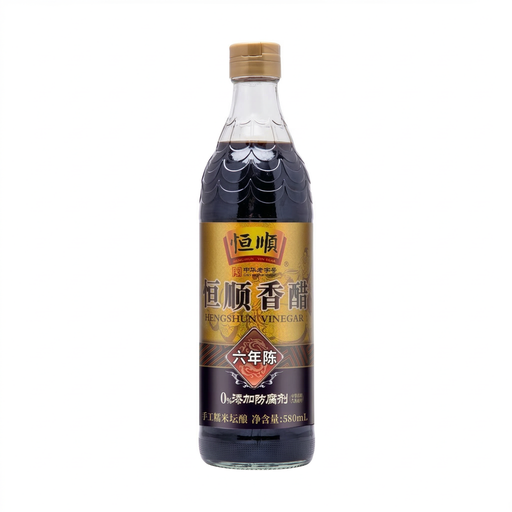
Who is it for? Ideal for those who have mastered Chinese cooking and are looking for the depth of an aged vinegar to elevate braised dishes (like Hong Shao Rou) or create complex sauces that go beyond simple seasoning.
Its six-year aging ensures a mild acidity and developed aromas, avoiding the harshness of a young, basic vinegar. It's a deliberate choice for complexity.
Exceptionally round and complex flavour thanks to its long aging process. The Heng Shun brand is a historical benchmark for Zhenjiang vinegar.
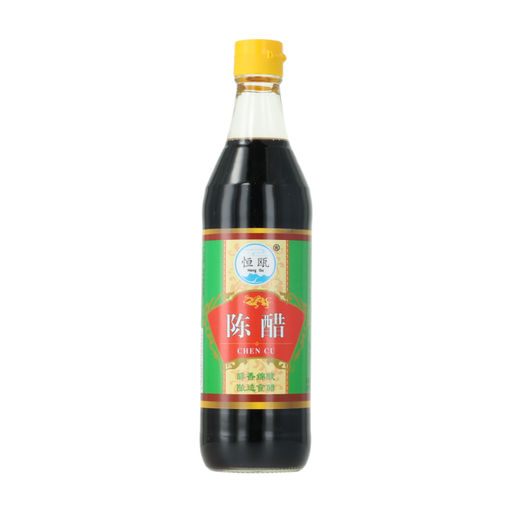
Who is it for? Perfect for regular and varied use: the sauce for weekend dumplings, dressing a cucumber salad, or deglazing a wok. A reliable staple for any pantry.
As a classic Zhenjiang vinegar, it offers a balanced flavour profile that won't overpower your dishes, unlike a more potent Shanxi vinegar which would be unsuitable for a simple dipping sauce.
Highly versatile for daily use. Fragrant aroma and well-balanced acidity, characteristic of a good Zhenjiang vinegar.
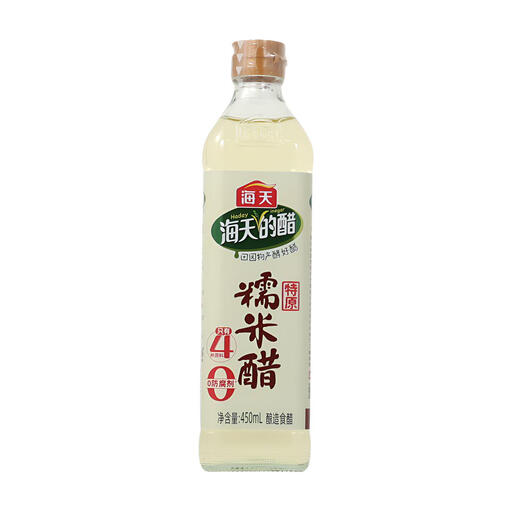
Who is it for? Its mild flavour and clean ingredients list make it an excellent entry point to discover black rice vinegar without being overwhelmed by overly strong acidity or complex aromas.
Its mildness and simple profile avoid the trap of an overly intense first purchase that could be off-putting. It's perfect for simple uses like dressings or dipping sauces.
Moderate acidity and a simple ingredients list (water, glutinous rice, salt, sugar). Ideal for a first introduction to this Chinese condiment.
We have curated a complete selection of products that meet our standards for quality and authenticity.
The difference lies mainly in the ingredients and, consequently, the flavour profile. Zhenjiang vinegar is glutinous rice-based, offering a rich, slightly sweet, and less acidic flavour. Shanxi vinegar is sorghum-based, which gives it a much stronger, smokier, and more acidic taste. The former is an all-rounder, while the latter is best reserved for hearty, slow-cooked dishes.
To best preserve its flavours, it is advisable to store black vinegar in a cool, dry place, away from direct sunlight. Make sure the bottle is always tightly closed after use. Refrigeration is not generally necessary, but it can help maintain quality over a longer period.
Technically yes, but the result will be very different. For an authentic and balanced dumpling (jiaozi) sauce, a Zhenjiang vinegar is the most common and suitable choice. Its moderate acidity and fragrant notes complement the filling without overpowering it. A Shanxi vinegar would likely be too potent for this use.