
Livraison le jour même ou le lendemain

Qualité garantie

Débloquez vos offres de bienvenue: Livraison GRATUITE | Jusqu'à -80 % | 30 jours d'essai gratuits à JoyPlus
Téléchargez l'application
A cornerstone of Asian cuisine, Chinese black vinegar is celebrated for its complex aromatic profile—malty, subtly sweet, and rich in umami. Whether you're creating an authentic dumpling sauce (jiaozi) or elevating a braised dish, choosing the right bottle can transform your recipe. But with a multitude of origins, ageing periods, and brands, it can be tricky to navigate the options.
This guide is here to demystify the secrets of different black vinegars and present our top picks, helping you make the best choice for your culinary needs.
To find the perfect bottle that will elevate your dishes, several criteria should be considered.
The most famous is undoubtedly Zhenjiang vinegar (镇江香醋). Hailing from the city of Zhenjiang (Jiangsu province), it's made from glutinous rice, wheat bran, and other grains. Its dark colour and rich flavour make it the absolute benchmark. Other regions also produce standout vinegars, like Yongchun, whose vinegar made from glutinous rice and red yeast rice offers a distinctly different flavour profile. The base grain (often glutinous black rice or sorghum) directly influences the final taste.
Just like a fine wine or balsamic vinegar, ageing is a crucial step. An aged black vinegar that has matured for several years will develop a mellower acidity, an almost syrupy texture, and deep, woody aromas. In contrast, younger vinegars are sharper and more tangy, perfect for quick sauces or wok dishes. For slow-cooked meals or simply for dipping, an aged version offers unparalleled complexity.
How you plan to use it will naturally guide your choice.
To put theory into practice, here are three essential recommendations, each with its own unique character.
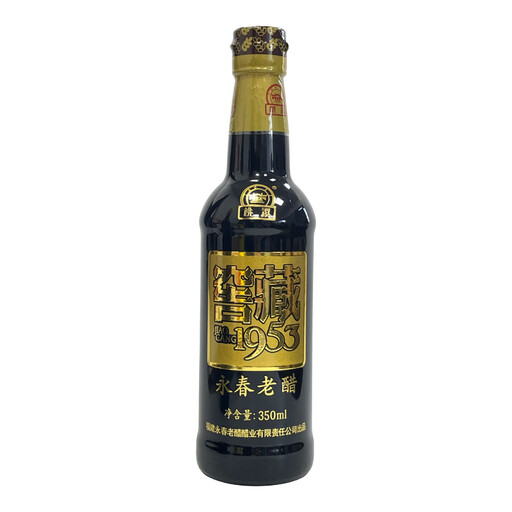
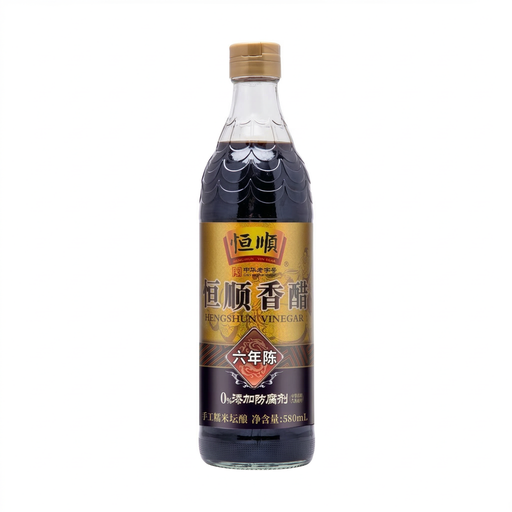

Our selection highlights popular, high-quality options, but the world of Asian condiments is endless. If you want to explore other vinegars—whether rice, grain, or flavoured—many other gems are waiting to be discovered.
? Discover our complete collection of flavoured vinegars
It all comes down to ingredients and production. Regular rice vinegar (often white or pale yellow) is simply made from fermented rice. Its flavour is mild and distinctly acidic. Chinese black vinegar, on the other hand, is made from glutinous rice, sorghum, wheat, or other grains. It is then aged, a process that gives it its dark colour and, most importantly, a much more complex flavour: rich, malty, and with a less biting acidity.
To preserve its full aromatic profile, store it in a cool, dry place away from light. Always make sure the bottle is tightly sealed. Thanks to its acidity, it keeps for a very long time, but once opened, placing it in the refrigerator can help maintain its flavour qualities, as some manufacturers recommend.
You can in a pinch, but the result won't be the same. Balsamic vinegar, with its sweetness and dark colour, can work as a substitute in some sauces, but it will lack the malty, umami notes so characteristic of black vinegar. A mix of rice vinegar with a dash of soy sauce can also work. However, for a truly authentic taste, especially in a dumpling sauce or classics like Shanghai-style braised pork, nothing replaces a genuine Chinese black vinegar.