People short on space
If there’s no room for a second large appliance, it’s worth comparing a washer-dryer with the airer you already use. Check its drying capacity, and remember that an airer also takes up space while in use.


In a chilly flat, start by considering the space you have, how much laundry you need to dry and how you can remove moisture. A separate tumble dryer is a good option if you can make room for one. A washer-dryer saves you from needing a second appliance, but its drying capacity may be lower than its washing capacity. If you prefer to use an airer, a dehumidifier with a laundry mode can help with drying, but it’s no substitute for suitable ventilation or extraction.
If there’s no room for a second large appliance, it’s worth comparing a washer-dryer with the airer you already use. Check its drying capacity, and remember that an airer also takes up space while in use.
A separate tumble dryer can be a good choice if you need a dedicated drying appliance, provided its capacity, dimensions, noise level and water drainage suit the space you have in mind.
If you want to keep hanging your laundry to dry, start by checking the room and its ventilation. A dehumidifier with a laundry mode may help with everyday drying, but it won’t fix inadequate ventilation.
First, check where your laundry can dry and how moisture will be removed. Then compare the space each appliance takes up and any practical considerations involved in using it.
| What matters to you | What to check | Who this matters to |
|---|---|---|
| Available space | Measure the space, access route and door opening. For a washer-dryer, compare the washing and drying capacities separately. | When there’s no room for a second large appliance in my flat, I want to dry my laundry without blocking the way. Around 29% of consumers prioritise the space an appliance takes up. |
| Damp around the airer | Check that the room can be ventilated or has suitable extraction. If you’re considering a dehumidifier, look at its laundry mode. | If my laundry is left hanging in a cool room, I want to stop moisture building up. Around 29% of consumers would prioritise managing damp. |
| Energy use and appliances | Compare the energy labels of the models you’re considering, and decide whether an airer in a suitable room would meet your needs. | For everyday laundry, I’d rather consider air-drying before adding an electrical appliance. Around 24% of consumers put lower energy use and fewer appliances first. |
| Noise and water drainage | Check the stated noise level for the programme you’ll use. Make sure you can access the water tank and that connecting a drain hose is actually practical. | If the appliance runs near a living area, its noise and the need to empty it could affect my day-to-day life. Around 18% of consumers put these considerations first. |
ADEME notes that air-drying laundry creates a lot of indoor moisture. Even when using a dehumidifier, an airer needs to be in a room with suitable ventilation or extraction. If you’d rather dry your laundry in an appliance, the main choice is between making room for a separate tumble dryer and choosing a combined appliance with a drying capacity that suits your needs.
A dehumidifier can help when you’re using an airer, but it won’t fix a leak or inadequate ventilation. ADEME reminds us that moisture produced indoors needs to be removed.
If you have mould, water damage or poor ventilation, get the problem with your home looked at rather than relying on a laundry appliance to solve it.
A load that has been washed may be too large to dry in the same appliance in one cycle. For example, LG lists a washing capacity of 11 kg and a drying capacity of 6 kg for its F164R78BSTA.
Compare both capacities for the specific model with your usual load, and be prepared to take some laundry out before drying if needed.
An appliance’s dimensions alone won’t tell you whether its door will open where you plan to put it. Depending on the model, you may also need to empty the water tank or connect a drain hose.
Measure the space with the door open, and check the stated noise level, access to the water tank and possible route for the hose before you buy.
The amount of laundry, the temperature and the room’s humidity all affect how a dehumidifier works. A manufacturer’s claim about fast drying doesn’t guarantee the same results in every flat.
Check the conditions behind the stated extraction capacity, and make sure the room has suitable ventilation or extraction when drying laundry on an airer.
The WQG24502FR heat pump tumble dryer is an example of a separate drying appliance for a home with room for one.
The F164R78BSTA washer-dryer is an option if you’re short on space and want just one appliance.
The DH5260F0 dehumidifier is worth considering if you use an airer and want to look at models with a laundry function.
These Joybuy appliances suit three different needs: combining washing and drying, choosing a dedicated drying appliance, or keeping your airer and using a dehumidifier to help. In a chilly flat, compare each option with the space you have and the ventilation available.
 Image unavailable
Combines washing and drying in one appliance when there’s no room for a separate tumble dryer. The stated capacity is 11 kg for washing and 6 kg for drying, so adjust the load before starting a drying cycle. Check the space available and the water supply and drain connections.
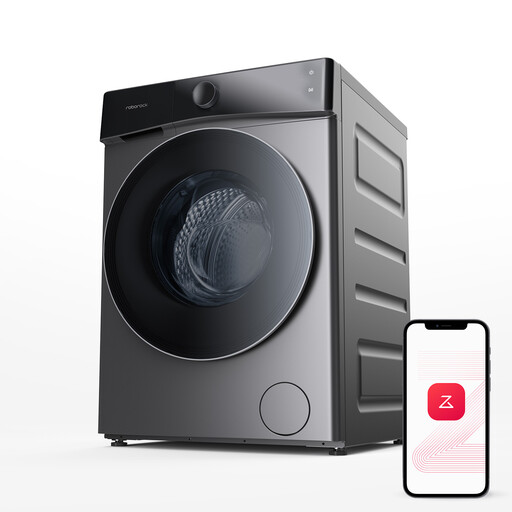 Image unavailable
Another all-in-one option if you can adjust your laundry loads to suit the drying capacity. This model has a stated capacity of 10 kg for washing and 6 kg for drying, with 27 washing programmes. Measure the space you have in mind and check the details of the cycle that matters to you.
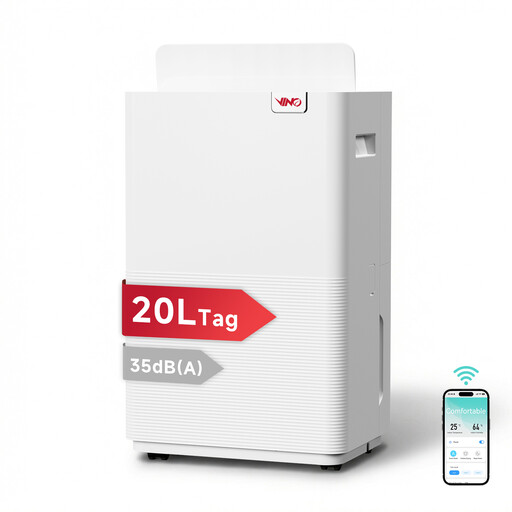 Image unavailable
Worth considering if you dry laundry on an airer in a room with suitable ventilation or extraction. The product has a Dry mode, a 2.5 L tank and an extraction rate of 20 L/day under the stated conditions. Check whether those conditions are suitable for a chilly room, as well as the noise level of the mode you plan to use.
 Image unavailable
A dedicated drying appliance if your home has a suitable space for one. It has a stated capacity of 8 kg and an energy rating of C. Check the dimensions, noise level and water drainage options for your planned installation.
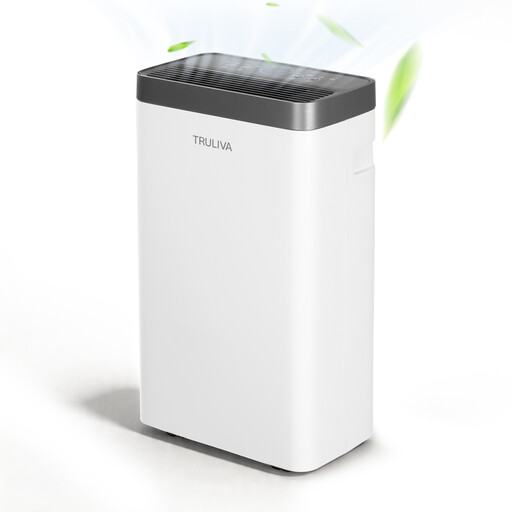 Image unavailable
Helps with air-drying laundry, but doesn’t replace the room’s ventilation or extraction. The product title mentions a laundry mode, automatic defrost and continuous drainage. Check the space needed for the hose, the noise level and the operating conditions for your chilly room.
No. ADEME recommends managing the moisture from air-dried laundry by using a well-ventilated room or one with suitable extraction. A dehumidifier can help, but it won’t fix inadequate ventilation.
Not necessarily: you need to compare its two capacities. For the F164R78BSTA, LG lists a washing capacity of 11 kg and a drying capacity of 6 kg. If the load exceeds the drying capacity, you’ll need to reduce it before starting that cycle.
How often you need to empty it depends on how much water it collects, the tank capacity and whether you can set up continuous drainage. For the DH5260F0, Rowenta lists a 3 L tank with a full-tank alert and a 1 m hose. Check that the hose can actually reach a drain in your room.
Yes, as long as you have somewhere for laundry to dry without staying damp for too long, and where moisture can be removed. ADEME recommends air-drying to save energy, while reminding us that it adds a lot of moisture to the air indoors.