
Livraison le jour même ou le lendemain

Qualité garantie

Débloquez vos offres de bienvenue: Livraison GRATUITE | Jusqu'à -80 % | 30 jours d'essai gratuits à JoyPlus
Téléchargez l'application
Buying chillies and hot sauces is not about chasing the hottest product. A sauce may be too salty for a marinade, a powder can quickly lose its aroma in a poorly sealed pouch, and a product sold as “extra hot” may turn out to offer very little depth once you start cooking. To avoid unwelcome surprises, it is best to compare the form, ingredients, packaging and intended use.
An extra-hot red chilli or a powder labelled “extra hot” delivers a clear kick, but not necessarily smoky, fruity or tangy notes. In tacos, curries or slow-cooked sauces, the flavour profile matters just as much as the intensity.
Whole or crushed chillies generally allow you to adjust the amount throughout cooking. A ready-to-use sauce spreads more evenly, but its flavour also depends on the vinegar, salt, thickeners and preservatives used in its recipe.
Two products with similar names may have very different recipes. A habanero sauce may contain a high proportion of chilli, while a Mexican hot sauce may sometimes consist mainly of water, tomato, salt and herbs.
In particular, check:
For example, LA ANITA sauce contains 27 % habanero chilli. ZAASCHILA Tres Chiles Taquera sauce combines green tomato, jalapeño, arbol chilli and chipotle, among other ingredients, with detailed proportions shown on the label.
Heat and humidity speed up the deterioration of aromas. Chilli powder should be stored in a tightly sealed container, away from light and in a dry place. Once opened, some sauces should be refrigerated and consumed within the period specified by the manufacturer.
The best-before date does not replace the storage instructions. For a pouch of chilli flakes used occasionally, a small airtight jar also helps limit moisture and prevent clumping.
Texture also affects how the heat spreads. Powder distributes quickly, while flakes create milder and hotter pockets throughout the dish.
The term “extra hot” should be treated as a guide to use rather than a universal measure that can be compared across brands. Start with a small amount, taste after a few minutes of cooking, then adjust if necessary.
For Mexican cooking, look for combinations of jalapeño, arbol, chipotle, tomato and lime. Chipotle chilli generally adds a smoky note, while jalapeño chilli is often found in Mexican-inspired sauces and condiments. In Korean cooking, gochugaru provides an intense red colour and a level of heat particularly well suited to kimchi, stews and marinades.
A 22 to 26 g format is well suited to anyone who wants to discover a chilli or try varieties from different origins. 100 g pouches are better suited to kitchens that regularly prepare curries, marinades or hot spice blends. For professional or frequent use, compare the net weight and how easy the packaging is to reseal.
Sauces in 150 to 265 ml bottles are practical for everyday use, but check how long they can be kept after opening. LA ANITA and ZAASCHILA recommend refrigerating their sauces after opening and consuming them within a month.
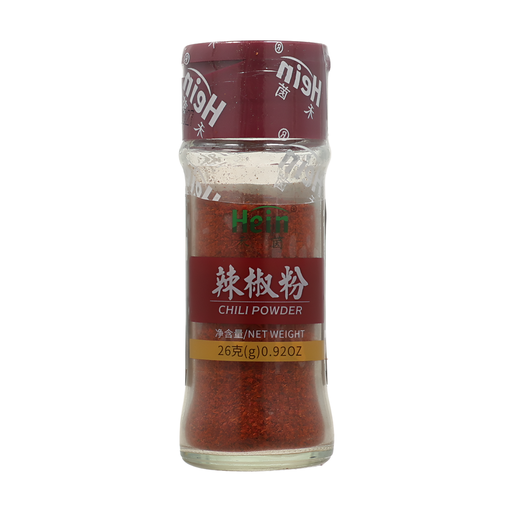
Why this choice suits this profile : Its 26 g format lets you try chilli powder without building up a large supply.
The listed ingredients are simple: 100 % red chilli, with no additives declared on the product page.
A ready-to-use powder described as low in salt, in a practical format for individual portions.
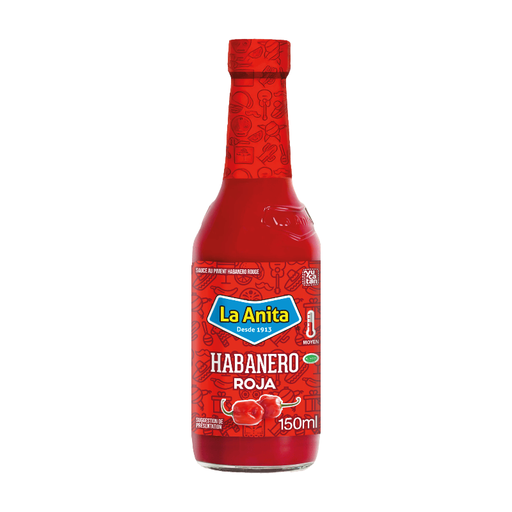
Why this choice suits this profile : This ready-to-serve sauce is aimed at fans of bold Mexican flavours and smoky notes.
The stated 27 % habanero content provides a clear reference point for comparing different sauces.
A 150 ml bottle, a Mexican-style red sauce and excellent versatility with meats, burgers, eggs and slow-cooked dishes.
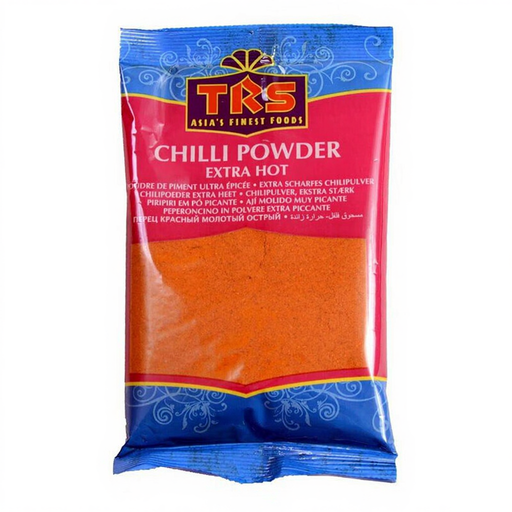
Why this choice suits this profile : The 100 g pouch is suitable for regular preparation of curries, marinades and spice blends.
The product page states that it contains 100 % extra-hot red chilli powder, with no declared allergens.
A fine powder designed for curries, marinades and seasoning blends, in a quantity suited to regular use.
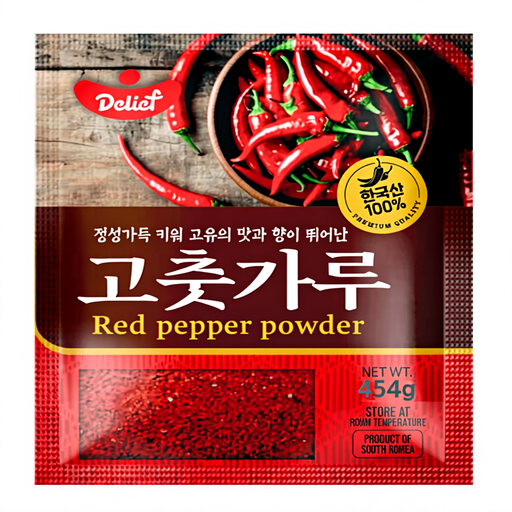
Why this choice suits this profile : Its large format is designed for repeated preparation of kimchi, gochujang, stews and marinades.
The product page specifies that it is 100 % red chilli powder, with no unlisted blend of herbs and spices.
A 454 g format, a stated origin in South Korea and a design suited to several Korean recipes.
We have brought together a complete, real-time updated selection of products that meet these demanding criteria and European safety standards.
Add powders gradually, especially when they are described as extra hot. For a marinade, mix the chilli with the oil, acidity and other spices to distribute the heat more evenly. Flakes can be added at the start of cooking or sprinkled on just before serving.
Store spices in a dry cupboard, away from steam from the hob. Seal pouches carefully or transfer their contents to an airtight container. For sauces, follow the label instructions: LA ANITA and ZAASCHILA specifically recommend refrigeration after opening.
Ground cayenne pepper refers to a variety or type of chilli ground into a fine powder. Flakes are more irregular and release their heat more gradually. The term “chilli powder”, however, may cover several varieties, so check the ingredients list and origin where these are provided.
Start with half a teaspoon for a family-sized dish, mix, then taste. The amount depends on the recipe, the volume of sauce and the proportion of chilli. It is better to add more gradually than to try to rescue a dish that has become too hot.
Check the date shown on the packaging and the manufacturer’s instructions. A thoroughly dry powder may retain its aromatic qualities for longer than a pouch exposed to moisture, but its fragrance and colour will gradually fade. An opened sauce must be used within the stated period and refrigerated when required by the label.