
Livraison le jour même ou le lendemain

Qualité garantie

Débloquez vos offres de bienvenue: Livraison GRATUITE | Jusqu'à -80 % | 30 jours d'essai gratuits à JoyPlus
Téléchargez l'application
Do you enjoy adding extra flavour to a curry, stir-fried vegetables, noodles or couscous, but are unsure what to choose between dried chilli, chilli powder, chilli flakes, chilli paste and ready-to-use condiments? There is plenty of choice, and the information that really matters can sometimes be overlooked on the packaging.
Before buying chilli peppers and spicy condiments, there are three particularly common pitfalls that are easy to avoid.
A bright red chilli is not necessarily the hottest. Kashmiri chilli, for example, is prized for its intense colour and generally moderate heat, while Cayenne chilli delivers a more pronounced kick. Colour also depends on the variety, drying process and fineness of the grind.
A whole chilli can be added gradually and removed at the end of cooking. Powder spreads quickly through a sauce, but requires more precise measuring. Flakes are perfect for pizza, pasta or roasted vegetables. Chilli paste and chilli oil often contain additional ingredients, such as salt, vinegar, oil or herbs and spices.
In a ready-made condiment, chilli is not always the ingredient that has the greatest impact on the final result. Check for salt, sugar, garlic, soya, sulphites and any other potential allergens. TOCO chilli paste, for example, contains sweet and hot peppers, mango, vinegar, garlic and sulphites. These ingredients affect the flavour, shelf life and possible uses in cooking.
Descriptions such as ‘hot’, ‘extra hot’ or ‘mild’ provide an initial indication, but they do not replace information about the variety or the quantity used. For everyday cooking, smoked paprika and Kashmiri chilli are mainly used to add colour and aroma. Cayenne flakes and crushed red chillies are better suited to recipes that call for a clearly noticeable kick.
In Indian cooking, whole chillies can be quickly fried in oil, rehydrated to make a paste or ground just before use. Indian spices therefore offer greater flexibility, particularly for curries, marinades and homemade blends.
In France and the European Union, food labelling must make it possible to identify ingredients and allergens that must be declared. Take the time to read the full ingredients list, particularly for spicy Asian condiments.
Tan Tan Xiang fermented chilli contains soya and lists 10 g of salt per 100 g. Tantanxiang chilli and fermented soya bean condiment also contains soya and sulphites. This is important to bear in mind if you have an allergy or are monitoring your salt intake.
A 25 or 30 g sachet is enough for occasional use and helps minimise the risk of losing aroma. A 200 or 250 g pack is better suited to regular use or professional kitchens, provided it is stored in an airtight container.
Dried chillies and powders should be kept away from light, moisture and heat. Once opened, some prepared condiments need to be stored in the refrigerator: always follow the instructions printed on the packaging.
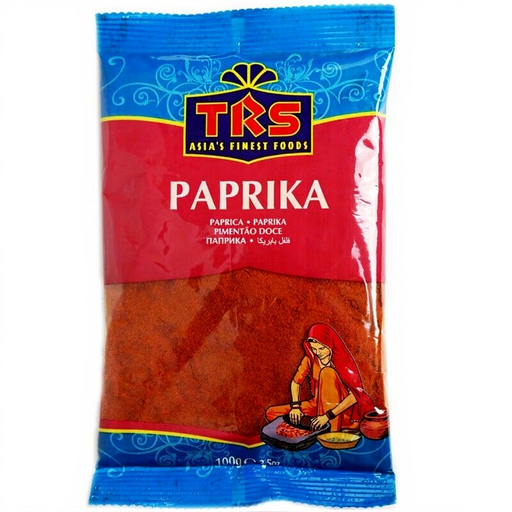
Why this choice suits this profile : Made from 100 % paprika, this powder is easy to incorporate into everyday recipes. Its small size lets you start gradually without buying a large quantity.
The clearly stated ingredients help you avoid mistaking a seasoned blend for pure paprika. The pack size also makes it easier to control how much you use.
A single ingredient, a 100 g sachet and impressive versatility in curries, sauces, marinades and rice dishes.
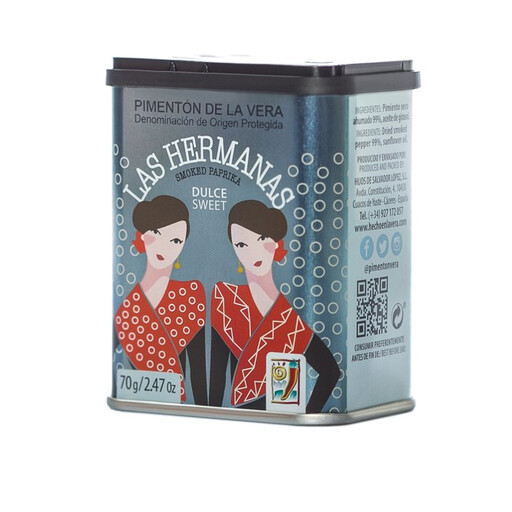
Why this choice suits this profile : This smoked paprika has the protected designation of origin ‘ Pimentón de la Vera ’. It is designed for recipes where origin and drying method are particularly important.
The AOP designation provides an official reference for the production area and methods associated with the product, going beyond a simple marketing promise of a smoky flavour.
A Jaranda variety, dried and smoked chilli, and a 70 g pack containing a small amount of sunflower oil.
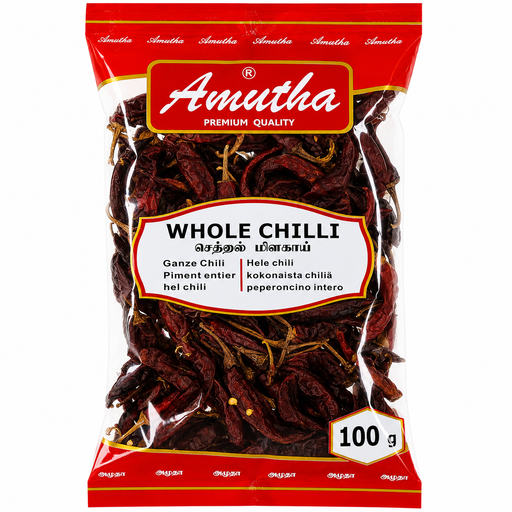
Why this choice suits this profile : At 250 g, this pack is suitable for repeated cooking, large gatherings and professional kitchen requirements.
Whole chillies with their stems are easy to count, remove or process. This keeps you in control, without relying on a pre-mixed powder whose strength can sometimes be difficult to assess.
100 % dried chillies, with no declared allergens, to use whole, rehydrated or ground according to the recipe.
MF Crispy Mushroom Chili combines chilli oil with crispy mushroom pieces in a 170 g jar. MF Crispy Garlic Chili, meanwhile, combines fried garlic and chilli flakes in a sauce that contains soya, among other ingredients. These products are ready to use, but it is best to check their ingredients and allergens before using them.
We have brought together a complete, real-time selection of products that meet these demanding selection criteria and European food safety regulations.
Keep them in their carefully sealed packaging or in an airtight container, away from light, moisture and heat. If the smell has become faint, the colour has changed or there are signs of moisture, check the date and condition of the product before using it.
Kashmiri chilli is generally sought after for its beautiful red colour and moderate heat. Cayenne chilli is better suited to dishes where you want a more pronounced kick. Heat levels can nevertheless vary depending on the variety, drying process and quantity used, so always start with a small amount.
Not quite. Harissa generally contains chilli, garlic and spices such as coriander or caraway. Chilli paste may contain other ingredients, such as mango, vinegar or oil. Check the label and add it gradually to sauces, marinades, soups and rice dishes.