
Livraison le jour même ou le lendemain

Qualité garantie

Débloquez vos offres de bienvenue: Livraison GRATUITE | Jusqu'à -80 % | 30 jours d'essai gratuits à JoyPlus
Téléchargez l'application
Choosing your child's first "two-wheeler" is a major milestone. Between the excitement of seeing them take off and the anxiety of making the right choice, it's easy to get lost in the overwhelming array of available models. The problem? Some bikes, despite flashy marketing, prove disappointing in practice, or even discouraging for the budding cyclist. To ensure this first purchase remains a joy, we've broken down the three most common mistakes to avoid.
Pitfall #1: The "convertible" model that's too complex for its own good Products promising to last from 10 months to 5 years are appealing on paper. The reality is often less rosy: they are products of compromise, too heavy and cumbersome in push-trike mode, then poorly adapted for use as a standalone bike. The result: the child is stuck with a heavy, clumsy machine that hinders their progress toward independence.
Pitfall #2: Underestimating the importance of weight and saddle height A bike that's too heavy or a saddle that's too high (even at its lowest setting) are the worst enemies of learning. If a child can't place their feet flat on the ground or struggles to lift their bike, they will quickly lose confidence and lose interest in their new toy. A feather-light weight and a wide adjustment range aren't options—they are prerequisites.
Pitfall #3: Overlooking wheel quality Hard, noisy plastic wheels can turn even the shortest ride into a nightmare. Not only do they offer poor grip (especially indoors), but they also make outdoor rides particularly uncomfortable. This detail, too often overlooked, directly impacts the child's enjoyment, as well as their safety.
To avoid these pitfalls, here are the key technical points that will make all the difference.
The choice between these two main categories depends primarily on your child's age and comfort level.
Beyond the type of bike, certain design elements guarantee a worry-free experience.
Because every family is unique, here is our selection of proven models, each meeting a specific need.
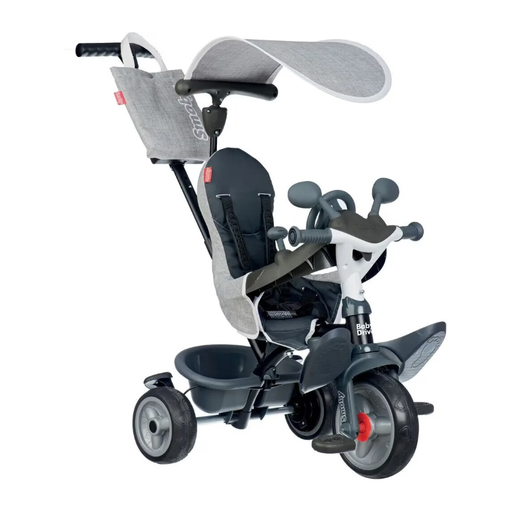
Why we love it: This convertible trike is designed to grow with your child from 10 months to over 3 years. It offers a complete parental control system (handle, parking brake) and comfort features like a padded seat cover and a sunshade, making it an excellent alternative to a stroller for short walks.
Unlike low-end "all-in-one" models, each configuration is well-thought-out. The safety features are easily removed to transform the trike into a standalone vehicle without sacrificing ergonomics. The silent EVA wheels prevent noise and discomfort.
Compliant with the EN 1888-1 stroller standard, a true mark of safety. 3-level adjustable parent handle and intuitive steering.

Why we love it: This is a classic, lightweight, no-frills balance bike, designed for one thing only: mastering balance. It's ideal for a child aged 2 or older who walks confidently and is ready to discover the joy of speed before making the leap to pedals.
This model gets straight to the point and accomplishes its mission perfectly. Its light weight and widely adjustable seat allow it to be perfectly fitted to the child's body, ensuring their feet can touch the ground for total control.
Adjustable seat and handlebars to grow with your child. Puncture-proof solid tires for total peace of mind.
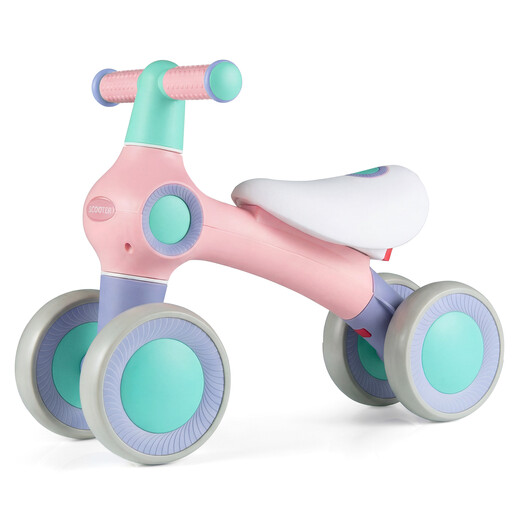
Why we love it: This ride-on is the perfect very first vehicle. With its four wheels, it offers maximum stability for children from 12 to 36 months. It's designed for both indoor and outdoor use, helping to develop leg strength and coordination in complete safety.
It doesn't try to be something it's not. Its design is targeted at the youngest toddlers. The 90° steering limiter prevents falls, and the fully enclosed wheels prevent feet from getting caught. The silent EVA wheels avoid the trap of noise and scratched floors.
Feather-light (1.8 kg / 4 lbs) and quick, tool-free assembly. Reassuringly stable thanks to its 4 wheels.
Discover our full selection of bikes and ride-ons that meet our quality criteria and European safety standards.
There's no fixed age, but most children are ready between 18 and 24 months, once they are walking confidently. The most important criterion is physical fit: the child must be able to sit on the saddle with both feet flat on the ground, knees slightly bent. This is the position that will give them the confidence and control they need to get started.
For the first balance bikes (aimed at 2-3 year olds), a brake is not essential. The safest and most instinctive reflex for a young child is to brake with their feet. A handbrake can even be a source of confusion at first. It becomes more relevant on balance bikes for older children (4 years and up), who reach higher speeds and have the strength and coordination to use it.
In many countries, wearing a child's bike helmet is mandatory for children under 12, whether they are riding or are a passenger on a bike, when on public roads. Even for use in the garden or a park, it is very strongly recommended. It not only protects in case of a fall, but it also instills an essential safety reflex from the earliest age that will stay with them for life. Just remember to choose a helmet that fits properly and adjust it correctly before every ride.