
Livraison le jour même ou le lendemain

Qualité garantie

Débloquez vos offres de bienvenue: Livraison GRATUITE | Jusqu'à -80 % | 30 jours d'essai gratuits à JoyPlus
Téléchargez l'application
Choosing a children's night light? In theory, it sounds simple. In practice, finding a model that will soothe your little one without disrupting their sleep can be a real headache. Between marketing promises and superfluous gadgets, it's easy to make the wrong choice. This guide is here to shed light on the essential criteria and help you avoid the most common pitfalls.
Before we even start comparing features, let's review the missteps that can make a night light not just useless, but downright counterproductive.
To make the right choice, here are the technical points on which you should make no compromises.
The choice is mainly between three types of power sources:
Safety is non-negotiable, especially for a baby night light. Insist on the CE mark, which guarantees compliance with European standards. For models that a child can touch, prioritise:
Light that is too bright or poorly chosen can sabotage the production of melatonin, the sleep hormone. A well-designed child's bedside lamp must offer:
Instead of an endless list, here is our selection of night lights that tick all the right boxes, each one tailored to a specific need.
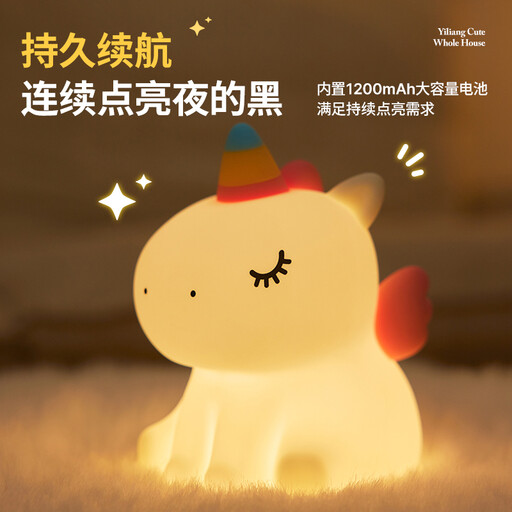
Why we love it: Ideal for parents looking for a solution that is both safe and intuitive. Its soft texture and fun design make it a reassuring companion that a child can handle without any risk. An excellent choice for a first night light or as a baby shower gift.
Its soft silicone design ticks the safety box. Its ultra-simple touch control for adjusting brightness prevents overstimulation from overly complex commands.
Rechargeable and touch-sensitive, it's as practical for parents during night feeds as it is for the child who will learn to operate it on their own as they grow.
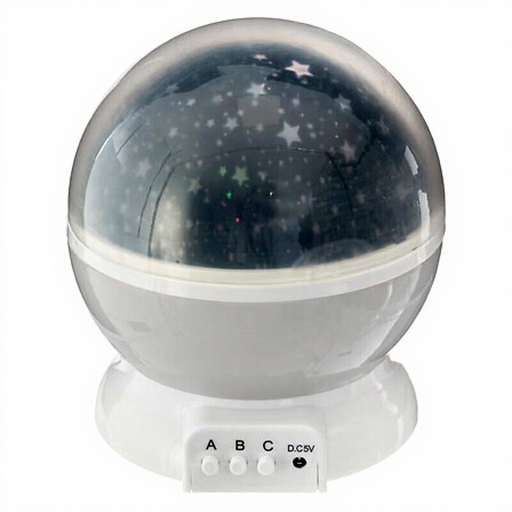
Why we love it: Perfect for families who want to create a "starry sky" atmosphere without breaking the bank or dealing with an overly complicated device. Its single projection function is ideal for establishing a soothing bedtime ritual.
This model gets straight to the point: projection, and that's it. It avoids the trap of overstimulation from an avalanche of music or lights, offering a simple and reassuring experience for the child.
Its battery-powered design (batteries not included) allows for complete freedom of placement in the room, far from the constraints of outlets and cords. It's a simple, effective projector night light that gets the job done.
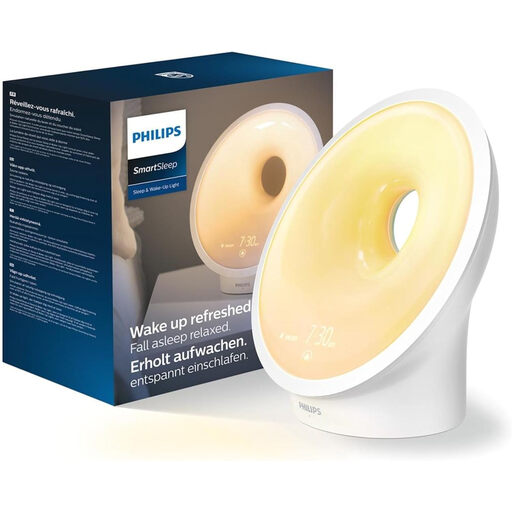
Why we love it: This is a true long-term investment. It starts as a gentle night light for toddlers, then transforms into a sunrise simulator to ease wake-ups for older children. It can even be used by parents to improve their own sleep.
Although it's multifunctional, its features (sunset simulation, light-guided breathing) are all geared towards relaxation, not stimulation. The reliability of Philips is also a guarantee of peace of mind, far from the frustrating failures of low-end models.
Its sunrise and sunset simulation feature, which gradually adjusts colour and light intensity, is the best on the market for supporting the natural sleep cycle.
More and more night lights are adopting touch controls for simplified use. We have selected products for you that meet our selection criteria and the strictest safety standards.
Without a doubt, warm colours like orange, amber, or red. Their long wavelengths do not interfere with the production of melatonin (the sleep hormone). Avoid blue or bright white lights at all costs, as they are too harsh for night-time.
It all depends on your child and their fear of the dark. Some will be reassured by a continuous, very dim light. For others, an automatic shut-off after 30 or 60 minutes will be more than enough. Models equipped with a timer or a precise dimmer are perfect for finding the right balance.
It's very simple: a soft, damp cloth is sufficient for most silicone models. Never use harsh chemical cleaners. If it's a rechargeable model, make sure the charging port is completely dry before plugging it back in. For any removable, non-electronic parts, a little soapy water, a good rinse, and thorough drying will do the trick.