
Livraison le jour même ou le lendemain

Qualité garantie

Débloquez vos offres de bienvenue: Livraison GRATUITE | Jusqu'à -80 % | 30 jours d'essai gratuits à JoyPlus
Téléchargez l'application
By the Joybuy Editorial Team
Choosing the right children's helmet can often be a daunting task. Between safety standards, sizes, designs, and features, it's easy to get lost. The stakes are high: ensuring flawless protection while finding THE helmet your child will wear without a fuss.
This guide is here to help you make sense of it all. We'll break down the essential criteria for making the right choice and present our selection of the best helmets, whether for a bike ride, a scooter outing, or a rollerblading session.
Before diving into our top picks, let's review the key points that will guide your purchase.
This is THE starting point. Always check for the European standard EN 1078:2012+A1:2012. This certification guarantees that the helmet has successfully passed a battery of tests for impact resistance and the durability of its retention system (straps and buckle). It's a non-negotiable seal of safety, whether you're looking for a child's bike helmet or a child's scooter helmet.
If you opt for a complete children's protection kit, make sure the knee and elbow pads comply with the NF EN14120 standard. It certifies their ability to properly absorb impact in the event of a fall.
A helmet that is too large or too small offers no effective protection. Finding the perfect size couldn't be simpler: measure your child's head circumference with a tape measure. Place it horizontally, about 2?cm above the eyebrows.
Choose a model equipped with a precise adjustment system, such as a dial at the back. This allows you to perfectly fit the helmet to your child's head and ensures it won't shift, even in the middle of the action. The chin straps must also be adjustable for a perfect fit under the chin, without being too tight or too loose.
Not all helmets are created equal for every activity:
We've selected three models that stand out from the crowd, each meeting a specific need.
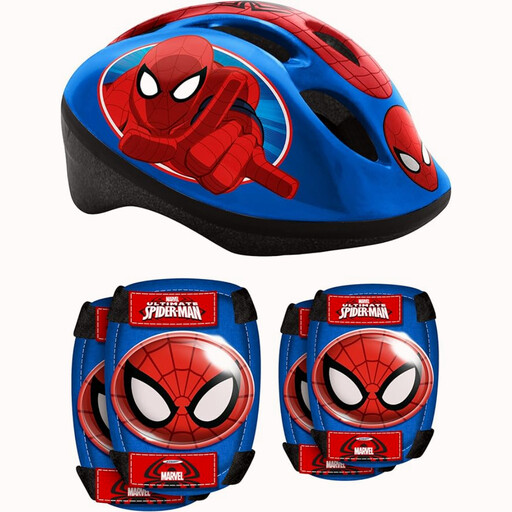
What sets it apart
This children's protective gear kit is the ideal all-in-one pack for young beginners. It includes a helmet, knee pads, and elbow pads in Spider-Man's colours—a powerful argument to convince even the most reluctant kids to gear up.
Highlights
Who is it for? For the youngest riders (up to 25?kg) who are discovering the joys of cycling, scootering, or rollerblading, and for whom putting on gear should be all about fun.
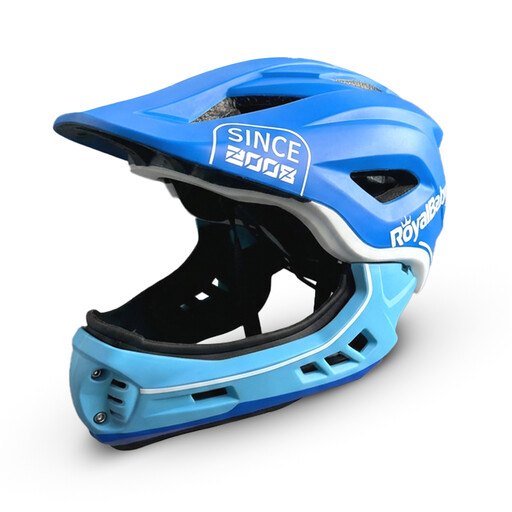
What sets it apart
Versatility is the name of the game with this children's full-face helmet. Thanks to its removable chin bar, it transforms in the blink of an eye: from a full-face helmet for maximum protection to a classic bowl helmet, it adapts to any adventure.
Highlights
Who is it for? For young jacks-of-all-trades who switch between disciplines and need facial protection for their more intense activities. An excellent long-term investment.
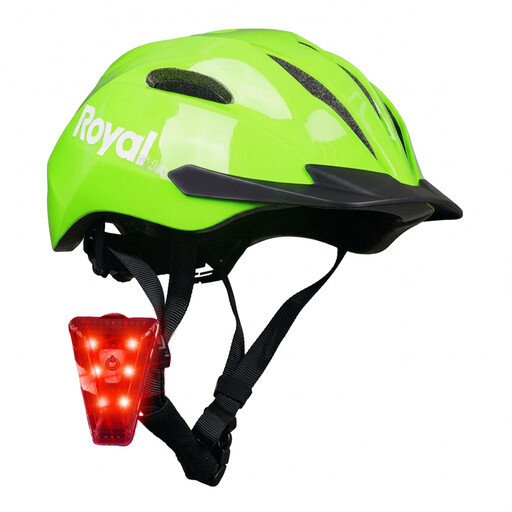
What sets it apart
This model focuses on being lightweight and highly visible. With its feather-light weight of 250?g, you'll barely notice it's there, while its integrated rear LED light is a real safety asset for daily trips.
Highlights
Who is it for? The ideal companion for daily commutes, whether as a child's bike helmet or a child's scooter helmet. Its light weight and built-in light make it a safety champion for trips to school or late-afternoon rides.
Our selection highlights three models with very different profiles. Of course, the choice of a helmet ultimately depends on your child's age, activity, and personal taste. If you haven't found the perfect one yet, many other options are available.
? Explore Our Full Range of Helmets and Protective Gear
It's a golden rule: a helmet must be replaced after any fall or significant impact, even if no damage is visible. Its internal structure, designed to absorb the energy of an impact, may be compromised. Additionally, it's recommended to replace it every 3 to 5 years, as the materials degrade over time and with exposure to UV rays.
Take a soft tape measure. Wrap it around their head, passing it about 2?cm above the eyebrows and ears (where the helmet naturally sits). Note the measurement in centimetres. Pro-tip: if you don't have a tape measure, use a piece of string or a shoelace, and then measure its length with a ruler.
Yes, French law requires certified helmets for children under 12, whether they are riding the bike or are a passenger. For older children and adults, it remains highly recommended. For scooters or rollerblades, even if not always required by law, a helmet remains an indispensable safety habit.