
Livraison le jour même ou le lendemain

Qualité garantie

Débloquez vos offres de bienvenue: Livraison GRATUITE | Jusqu'à -80 % | 30 jours d'essai gratuits à JoyPlus
Téléchargez l'application
Children’s gummy supplements are a popular choice for families looking for a simple way to give their little ones a nutritional boost – no tablets to swallow and no messy measuring spoons to wash. Their fun, chewy appeal shouldn’t distract you from the essentials, though: these are still supplements, often containing sugar, and they need to be chosen carefully based on your child’s age, the ingredients, and the recommended daily dose.
A soft, chewy texture and fruity flavour make them easy to take, but they tell you nothing about the amount of vitamins or minerals inside. Some products combine several nutrients, while others target a specific need, such as vitamin D, magnesium or iron.
Before you choose children’s vitamin gummies, check the following carefully:
Your child might already be taking a multivitamin that contains vitamin D and zinc, and then you add children’s vitamin D gummies or zinc gummies on top. This stacking isn’t always necessary and could even push intake beyond recommended levels. To compare properly, you need to consider the total daily dose, your child’s diet, and any other supplements they’re taking.
For iron, vitamin D, calcium and vitamin A, always seek advice from a healthcare professional if your child is on medication, has a known medical condition, or is already taking a supplement.
Gummies are not sweets. They must be chewed thoroughly, never swallowed whole, and kept out of reach of children. Adult supervision is especially important with younger children. Always stick to the dose stated by the manufacturer: taking more gummies won’t make the product more effective.
Not all products aimed at children cover the same age range. Several of the products featured here are suitable for children aged 4 years and over, while some vitamin D gummies can be used from 2 years. The age stated on the packaging should always take priority over how easy they are to chew.
The format matters too. One gummy a day keeps things simple, while two gummies can sometimes deliver a higher dose. For chewable gummies for children, always check the recommendations and supervision guidelines.
The nutritional panel helps you tell apart products that look similar at first glance. Some formulas clearly state magnesium citrate or zinc citrate. You also need to distinguish between the amount of the compound and the amount of the elemental nutrient, particularly with zinc.
Authorised claims in the European Union relate to a nutrient’s contribution to the normal functioning of the body. They are not a promise of prevention or treatment. So a product described as supporting children’s immune support should be seen as a nutritional supplement, not a medical solution.
Several products use pectin instead of gelatine. Families looking for a vegan children’s supplement or gelatine-free gummies can more easily identify suitable formulas. Some products are also labelled as gluten-free, lactose-free or dairy-free. However, you should always verify these claims on the product page and the packaging itself.
Remember, gummies are generally flavoured and sweetened. Their sugar content needs to be weighed against how often they’re taken and your child’s overall eating habits.
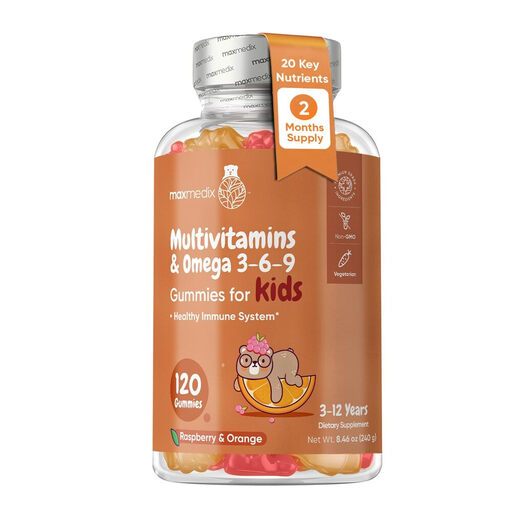
Why this suits this profile: This general formula is a good starting point for parents who want to begin with a single product before considering a more targeted supplement. It’s suitable for children aged 4 years and over, with one gummy per day.
The panel clearly lists vitamins A, C, D3, E, B6 and B12, plus zinc and iodine. A great way to avoid choosing based on flavour or packaging alone.
A pectin-based formula, gelatine-free, with a single daily dose and a strawberry flavour.
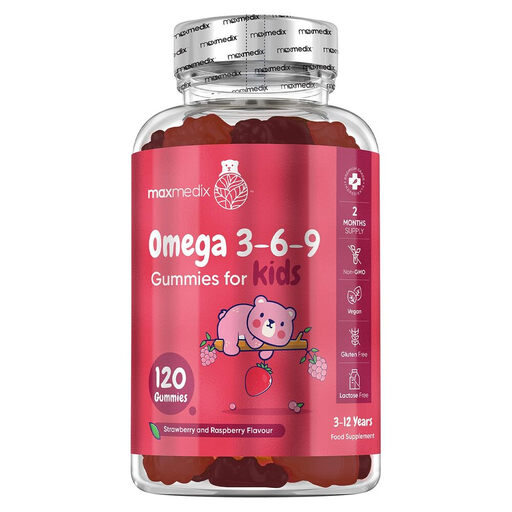
Why this suits this profile: This plant-based option is ideal for families who want to avoid fish oil and prefer fatty acids derived from perilla oil.
The product page clearly states the plant-based origin, the absence of fish oil, and the amounts provided per two-gummy serving.
400 mg of perilla oil, including 240 mg of ALA per serving, with a vegan formula that’s gluten-free, lactose-free and dairy-free.
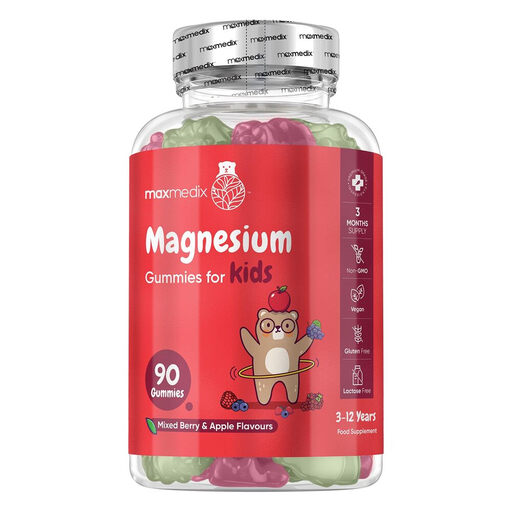
Why this suits this profile: A targeted formula can fit into an already established routine when parents are looking for magnesium gummies for children rather than a general multivitamin.
The dose is clearly stated: 30 mg of magnesium for two gummies. The product page also specifies when medical advice is needed.
Magnesium citrate, 90 gummies, a pectin-based texture and a gelatine-free formula suitable for a vegan diet.
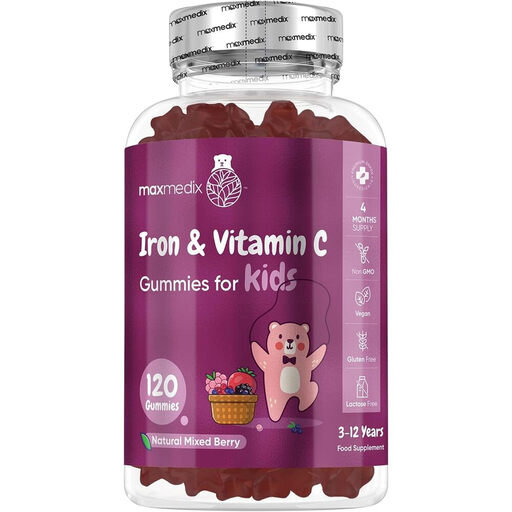
Why this suits this profile: This formula answers a specific need for iron and vitamin C gummies for children, with one gummy per day for ages 3 to 12.
Both nutrients are clearly separated on the label: 7 mg of iron and 10 mg of vitamin C per gummy. The dosage should not be changed without professional advice.
120 peach-flavoured gummies, a vegan formula with no gluten or lactose, and a clearly stated daily dose.
We’ve put together a complete, real-time updated selection of products that meet these demanding criteria and European safety regulations.
No. Each product has its own minimum age. Some vitamin D gummies are suitable from age 2, while many multivitamins, probiotics and magnesium formulas are for children aged 4 and over. Always read the instructions carefully and consider the choking risk.
It depends on the number of gummies in the bottle and the daily dose. A bottle of 120 gummies, for example, lasts 120 days with one gummy a day, or 60 days with two gummies a day. Always check the best-before date and store the bottle closed, in a cool, dry place, out of reach of children.
This kind of combination isn’t always necessary. Compare the nutritional panels to spot nutrients that appear in several products, particularly vitamin D, zinc and vitamin A. If you’re considering targeted supplementation, or if your child is on medication or has a health condition, speak to a doctor or pharmacist before starting.