
Livraison le jour même ou le lendemain

Qualité garantie

Débloquez vos offres de bienvenue: Livraison GRATUITE | Jusqu'à -80 % | 30 jours d'essai gratuits à JoyPlus
Téléchargez l'application
Choosing children’s gouache is not simply a matter of counting the number of colours in a set. Between tubes, 500 ml bottles and gouache sticks, the differences in use are far from insignificant: the amount needed, ease of cleaning, precision of application and the child’s age all matter.
A well-considered selection helps you avoid disappointing purchases and choose the format that is genuinely suited to each activity.
The term washable paint generally refers to hands and surfaces cleaned quickly. It does not guarantee that an old stain will disappear without treatment, particularly from clothing, carpets or sofas. At home, use a washable tablecloth and rinse brushes and splashes while the paint is still wet.
A 500 ml bottle is practical in the classroom, at an activity centre or for a family that paints regularly. For a few drawings at the weekend, however, it may be far more than you need. Some of the product could dry out if the cap is not closed properly. Conversely, a small children’s paint kit is better suited to occasional activities and is easy to store.
Non-toxic paint is still a product intended for creative activities, not for consumption. Check the recommended age, warnings and whether adult supervision is required. Product listings specify, in particular, that several of the products featured here are intended for children aged 3 and over. Avoid contact with the eyes and make sure hands are washed after the activity.
The packaging has a direct impact on the child’s experience:
Opaque gouache provides better coverage on a coloured surface or over a first layer. When diluted with water, concentrated paint can also create more transparent effects. So check whether the product listing describes the paint as matt, opaque and water-soluble.
Talens Art Creation gouaches are described as matt, opaque and water-soluble. Once dry, the paint is not advertised as waterproof. It can be reactivated with a damp brush, making certain corrections and layers easier.
For a school painting activity, check the recommended age and safety instructions before ordering. The surface also matters: paper, card, wood, canvas and glass do not all react in the same way. A product described as multi-surface paint can offer more possibilities, but it is always best to test it on a small area first.
To minimise marks, clean tools promptly with water and soap. On textiles, rinse immediately and follow the instructions on the product listing. Washable does not mean that the paint will withstand every type of stain.
The following products cover a range of needs: a first introduction, an extensive palette, group workshops and decorative effects.
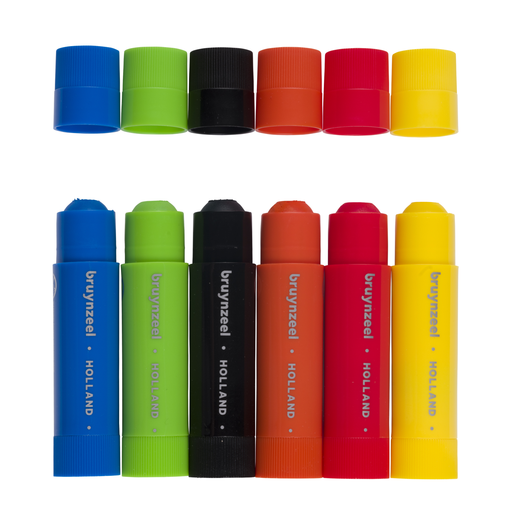
Why this choice suits this profile : This set of 6 x 10 g sticks lets children discover painting without buying a large amount of product or setting up a full palette.
No water or brush is needed, reducing the risk of spills and the equipment required for a short activity.
Direct application, advertised quick drying, opaque colours and easy hand cleaning with soap and water.
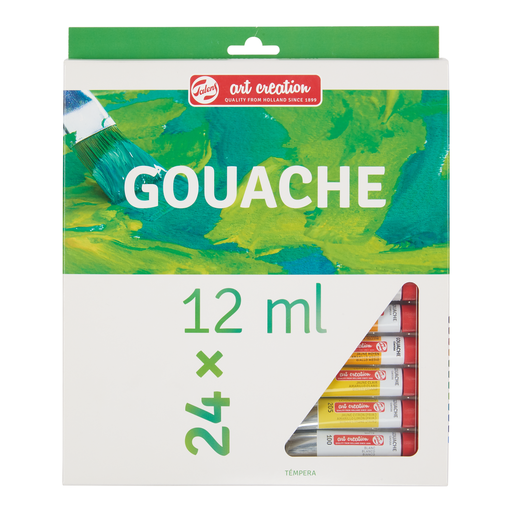
Why this choice suits this profile : The 24 x 12 ml tubes provide an extensive palette for illustration, detail work and projects requiring a wide range of shades.
The choice of 24 shades reduces the need for mixing to achieve a variety of colours quickly.
Matt, opaque finish, individual 12 ml tubes, water-soluble paint that can be reactivated once dry.
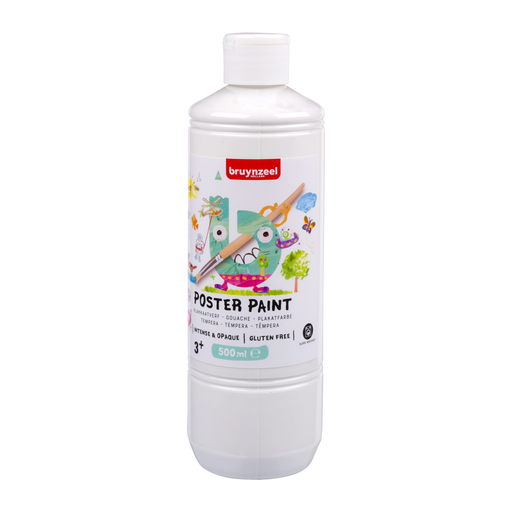
Why this choice suits this profile : This large bottle is suitable for classrooms, creative workshops and households that regularly use multi-surface paint.
The 500 ml volume avoids the need for multiple small tubes during group activities and makes it easy to portion paint onto a palette.
Matt water-based paint, described as opaque, suitable for paper, card, wood, canvas and glass, with an easy-open cap.
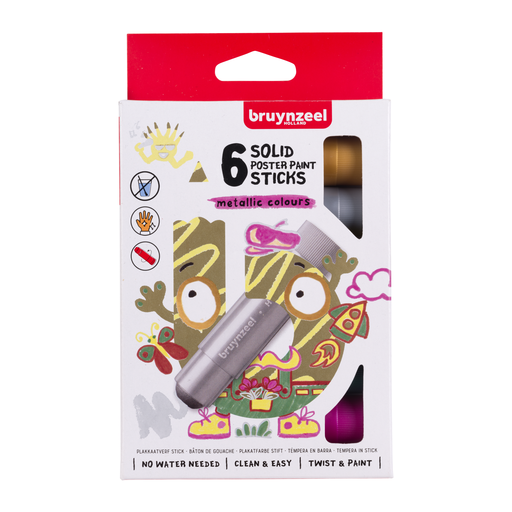
Why this choice suits this profile : The metallic shades add a decorative touch to cards, collages and paper creations without having to set up a full painting station.
The no-water, no-brush format reduces preparation and cleaning for a short session or an activity organised away from home.
Six 10 g sticks, direct application, advertised quick drying and metallic colours for varied visual effects.
We have put together a complete, real-time updated list of products that fully meet these strict selection criteria and European safety regulations.
For an even result, use paper that is sufficiently thick, especially with diluted water-based paint. Place a small amount on a palette rather than directly on the sheet. This allows you to mix colours while avoiding waste.
After each session:
How long the product lasts depends on how often you paint, the format chosen and storage conditions. A 12 ml tube will be used up quickly during an intensive workshop, while a 500 ml bottle mainly requires an airtight seal to limit drying out.
A compact set or gouache sticks are generally the easiest formats to use. Bruynzeel sticks can be applied directly, without water or a brush. For a child under 3, always check the labelling: several products in this selection are stated as suitable from age 3.
It is easier to clean from skin and certain surfaces while it is still wet. This does not guarantee that every stain will disappear from textiles. Protect clothing and act quickly with soap and water, following the manufacturer’s instructions.
The cost mainly depends on the amount used and the number of participants. A 500 ml bottle is suitable for group workshops, as it avoids the need for multiple small containers. For occasional individual use, a tube set or a set of 6 sticks helps minimise unused product.