
Livraison le jour même ou le lendemain

Qualité garantie

Débloquez vos offres de bienvenue: Livraison GRATUITE | Jusqu'à -80 % | 30 jours d'essai gratuits à JoyPlus
Téléchargez l'application
Choosing drawing and creative craft supplies for children seems simple… until you come across a kit full of tiny pieces, colours that are unsuitable or accessories that are impossible to store. For a parent, relative or teacher, the real challenge is finding an activity that is fun, suitable for the child’s age and easy to fit into everyday life: at home, at school, on holiday or for a birthday party.
A children’s drawing kit may contain dozens of pieces without including the drawing surface, a genuinely useful paintbrush or the instructions needed to get started. Always check the exact contents of the kit and make sure it contains everything needed for first use.
Pencils, beads, tips and small pots of paint may pose an ingestion risk for younger children. A product marked ‘from 3 years’ is not necessarily suitable for a very young child who still puts objects in their mouth. The manufacturer’s recommended age, safety warnings and adult supervision should all guide your choice.
Not all creative supplies can be cleaned in the same way. Inks can mark clothing, soft pastels create dust and gouache requires brushes to be rinsed quickly. At home or when travelling, sticker activities and washable crayons are often much easier to manage.
For a first activity, choose tools that are easy to grip and instructions that are short. Triangular-shaped coloured pencils can help children develop a more stable grip. Chunky washable crayons are better suited to small hands, while dual-tip pens and soft pastels are generally aimed at more independent children.
Activities with numbered templates, stencils or stickers provide reassuring structure. They are ideal for children who like to be guided through to the final result. Teenagers and hobby artists will often prefer a wider palette and techniques that allow colours to be blended.
Don’t assume that ‘washable’ means every surface will clean easily. Check the manufacturer’s instructions and protect both the table and clothing.
Look for precise information about the manufacturer, the responsible person in the European Union and the safety warnings. Some products state that they comply with the EN 71 standard, which applies to toy safety. This compliance does not replace the need to follow age restrictions or supervise the child.
For paints and markers, also check the type of ink, ventilation recommendations, instructions in the event of eye contact and whether hands need to be washed after the activity. Small pieces should be stored out of the reach of the children concerned.
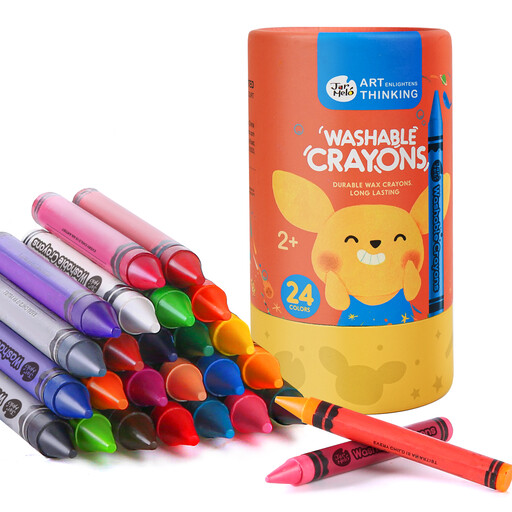
Why this choice suits this profile : Thick and easy to hold, these 24 crayons are ideal for first colouring activities, both at home and in the classroom.
The kit focuses on one main tool, avoiding a build-up of accessories that are never used. The washable formula makes cleaning easier, provided you follow the manufacturer’s recommendations.
24 colours, jumbo format and easy storage, whether at home or at school.
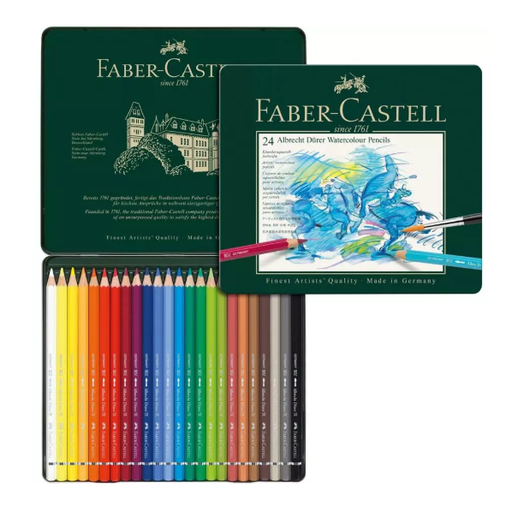
Why this choice suits this profile : This set helps children move from colouring to drawing, with watercolour effects and a practical metal box for storing your supplies.
The box and 24 pencils are clearly defined, without adding unnecessary accessories. However, you will need suitable paper and a brush for the wet technique.
Water-soluble pigments, dry or wet use and a metal box that is easy to carry.
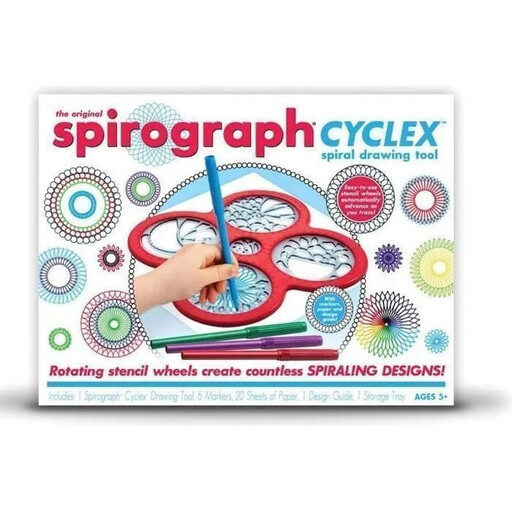
Why this choice suits this profile : Suitable from age 8, this set appeals to children and teenagers who enjoy geometric patterns and activities they can repeat endlessly.
The wheels are integrated into the base, while the fixing putty holds the pieces in place without piercing the paper. This helps minimise slipping and waste.
89 pieces, instruction manual, compatible with pencils and pens you already own, and no batteries required.
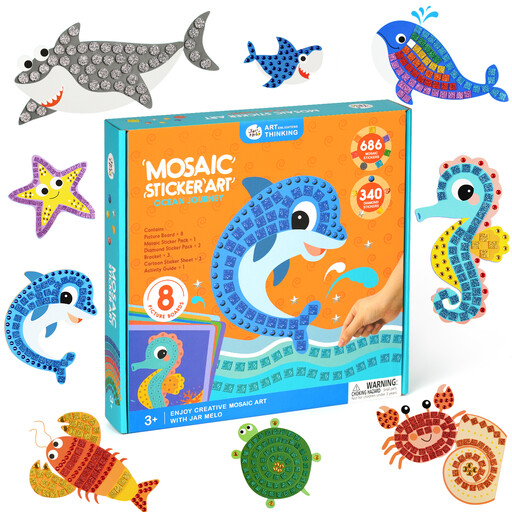
Why this choice suits this profile : From 3 to 8 years, children create eight sea animals by matching shapes, colours and stickers, with no glue or scissors required.
The sticker format avoids splashes, open tubes and equipment that needs cleaning. Any remaining pieces can be stored on their original backing.
Eight cards, repositionable stickers according to the product details, display stands and an activity that is ideal for journeys.
Start with chunky crayons, coloured pencils or a guided activity with only a few steps. Watercolour markers and acrylic markers are more suitable once the child knows how to replace caps, use the correct surfaces and follow cleaning instructions.
Protect the table with a washable tablecloth, limit the number of colours you put out and have a dedicated storage box ready. Scratch cards, sticker mosaics and washable crayons are particularly practical for mess-free creative activities, especially when travelling.
It all depends on how securely caps are closed, storage conditions and how often the supplies are used. Store markers horizontally when recommended by the manufacturer, close gouache pots after every use and keep soft pastels flat in their box. Regularly checking the condition of nibs, packaging and small pieces makes it possible to replace only what is necessary.