
Livraison le jour même ou le lendemain

Qualité garantie

Débloquez vos offres de bienvenue: Livraison GRATUITE | Jusqu'à -80 % | 30 jours d'essai gratuits à JoyPlus
Téléchargez l'application
Choosing children’s basketball equipment isn’t just about picking a product in appealing colours. Between balls that are too big, shoes that are too stiff and hoops that lack stability, some purchases quickly become useless or need replacing before their time.
From ages 3 to 12, three mistakes crop up time and again:
Here are the criteria to consider before choosing children’s basketball equipment.
A ball that’s too big can make passing, dribbling and those first shots more difficult. On the other hand, a ball that’s too small can make the transition to club play feel less natural.
The general guidelines are as follows:
A size 4 basketball is therefore often a good fit for the early learning years. For older children, a size 5 basketball can support more regular practice. Also think about the material: textured rubber is particularly practical on outdoor surfaces, driveways and playground courts.
A well-fitting shoe should support the foot without squeezing the toes. Ideally, measure both feet at the end of the day, then base your choice on the longer measurement. The manufacturer’s size guide is often more reliable than the usual shoe size.
When choosing children’s basketball shoes, check in particular:
The Nike Air Force 1 kids’ trainers shown here have a synthetic upper and a rubber sole. The product details state that this model comes up large and recommends going half a size down from your usual size. That’s a detail worth noting before ordering, without automatically assuming this pair is intended for intensive training.
According to their product details, the PUMA junior trainers have a synthetic leather upper, a midsole and a rubber outsole. The size guide also gives the foot length in centimetres.
An adjustable basketball hoop can grow with your child and make those first shots more achievable. For home use, check:
The Marvel Spider-Man model featured in this selection adjusts from 122 to 155 cm without tools. It includes a 33 × 46 cm backboard, a pump and a ball approximately 18 cm in diameter. The manufacturer recommends assembly by an adult, a properly weighted base and adult supervision during play.
The products below are organised by real-life situations, rather than general promises. Always check the product page for availability, sizing and applicable terms at the time of purchase.
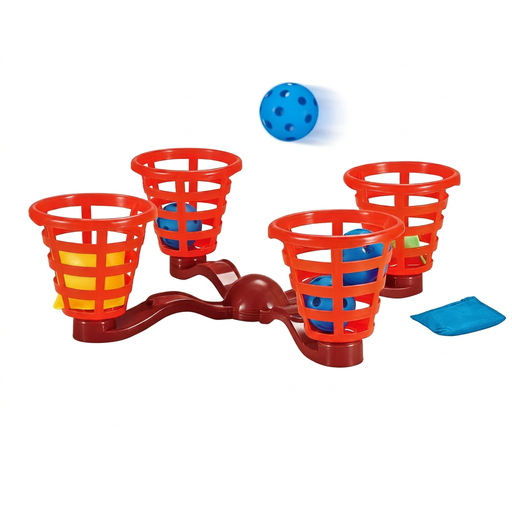
Why this choice suits this profile: This set brings together a hoop, backboard, base and ball for getting started at home. Its height adjusts from 100 to 150 cm.
The base can be filled with water or sand, which reduces the risk of the lightweight hoop tipping over during shots.
Adjustable from 100 to 150 cm, ball included, rounded edges and recommendations for use on a flat surface.
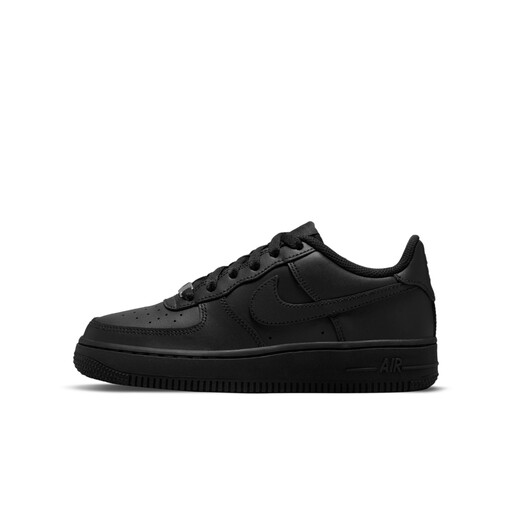
Why this choice suits this profile: This pair is aimed at families looking for a recognisable basketball silhouette for outings, leisure and everyday wear.
The size guide notes a generous fit and provides foot length in centimetres. This helps avoid relying solely on the usual shoe size.
Synthetic leather upper, rubber sole and recommended care with a soft, damp cloth.
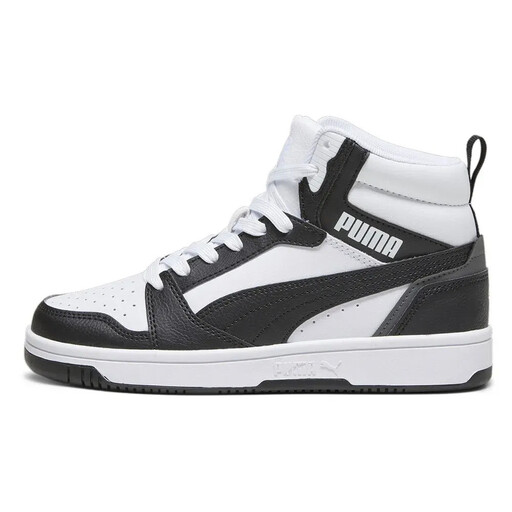
Why this choice suits this profile: Its high-top design and rubber sole suit children who switch between active play, leisure and regular sessions.
The product details link a foot length to each size, which helps avoid choosing a shoe that’s too big by allowing too much extra room.
Textile lining, SOFTFOAM+ insole according to the product details and an upper made from at least 20% recycled materials.
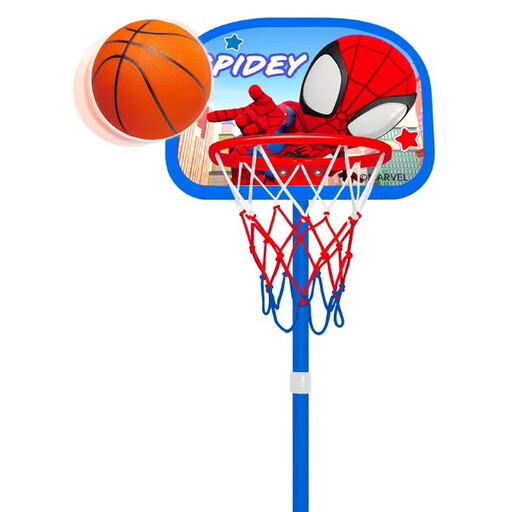
Why this choice suits this profile: This set is particularly well suited to a birthday or a first basketball activity to share between children and adults.
The adjustable height suits different sizes, while the instructions remind you to weight the base and play under adult supervision.
Adjustable from 122 to 155 cm without tools, 33 × 46 cm backboard, pump and ball included.
We’ve put together a comprehensive, real-time updated list of products that meet these demanding selection criteria as well as European safety standards.
A size 4 basketball, approximately 65 cm in circumference, is the most common benchmark for children aged 5 to 8. If the child is a beginner or has small hands, check that the weight and texture are easy to manage.
It depends on the materials used and the manufacturer’s instructions. For plastic models, set the hoop up on a flat surface, check the connections regularly and store it away in bad weather. The base must be weighted before each use.
It depends on how often they’re used, the type of surface and how fast the child’s feet are growing. Check the sole wear, the condition of the stitching and the space in front of the toes regularly. A shoe that’s become too short or misshapen should be replaced, even if it still looks in good condition.