If protein is your priority
You’re looking for a biscuit with a stated protein content, rather than trying to infer it from a claim about sugar. A high-protein biscuit can still contain sugar, so check both figures.


A biscuit with less sugar isn’t automatically high in protein, and chickpeas are a separate consideration. To choose, compare protein and sugar per 100 g, then check the portion you’ll eat, the ingredients and allergens. Also make sure you’re comparing like with like: a sweet biscuit or a savoury snack.
You’re looking for a biscuit with a stated protein content, rather than trying to infer it from a claim about sugar. A high-protein biscuit can still contain sugar, so check both figures.
You compare the stated sugar content and the wording of claims such as ‘reduced sugar’ or ‘no added sugar’. These claims alone don’t tell you how much protein a product contains.
You want chickpeas to be part of the recipe. Check the ingredients list and the type of product: the Bjorg curry-flavoured savoury biscuit featured by Carrefour contains chickpea flour, but may not be a substitute for the sweet biscuit you’re looking for.
First decide whether your priority is protein content, sugar content or the presence of chickpeas. Then compare nutritional values on the same basis, and don’t forget to check the product format and ingredients.
| Criterion | What to check | Who it matters to |
|---|---|---|
| Protein content | Compare protein per 100 g, then for the portion you plan to eat. | If I’m choosing this biscuit for its protein, I want to know how much is in my portion, not just read a claim on the packet. Around 42% of consumers would put this first. |
| Sugar content | Check the ‘of which sugars’ figure per 100 g, and distinguish it from claims such as ‘reduced sugar’ and ‘no added sugar’. | For a sweet snack, I prioritise comparing sugar content, even if the product also claims to contain protein. Around 33% of consumers would make this their priority. |
| Chickpea content | Look for chickpeas in the ingredients and check whether the product is a sweet biscuit or a savoury snack. | I want chickpeas to be genuinely part of the recipe, even if that means choosing something other than a sweet cookie. Around 17% of consumers would prioritise this. |
| Ingredients and allergens | Read the full ingredients list, highlighted allergens and any ‘may contain’ warnings. | Before comparing nutritional values, I need to check that a recipe suits my dietary requirements. For around 8% of consumers, this would be the first thing to consider. |
Auchan’s product information lists 9 g of protein per 100 g for Auchan Less Sugar apple and cinnamon biscuits, compared with 21 g for Prozis chocolate and hazelnut protein biscuits. This difference alone tells you nothing about their sugar content.
Compare sugar and protein per 100 g on both packets, then work out how those figures relate to the portion you’ll eat.
Auchan’s product information for Karéléa filled biscuits lists maltitol and isomalt among the ingredients, as well as 25 g of polyols per 100 g.
If these ingredients matter to you, check the ingredients list and the polyols figure as well as the sugar claim.
The Bjorg product featured by Carrefour contains 48,4% chickpea flour, but it’s a savoury curry-flavoured biscuit.
Check separately for chickpeas, whether the product is sweet or savoury, and the nutritional values you’re looking for.
Depending on the recipe, the products mentioned may contain ingredients such as wheat, milk, eggs, soya, oats or nuts.
Check the ingredients and any ‘may contain’ warnings for the specific product variant you’re thinking of buying.
These examples highlight different things to look for. A brand’s inclusion here doesn’t mean all its products have the same nutritional profile.
A range of biscuits described as having less sugar, including the apple and cinnamon recipe.
Protein biscuits, including a chocolate and hazelnut variety featured by Auchan.
Biscuits and cookies with claims relating to sugar content.
Breakfast and snack biscuits, including a Matin Chocolat product described as having less sugar by Monoprix Courses.
Worth considering if chickpeas in the recipe matter more to you than a sweet format.
Both of these are savoury chickpea snacks, not sweet biscuits. If you’re also looking to reduce your sugar intake, check the relevant claim and what it’s being compared with: a sugar figure on its own doesn’t establish this.
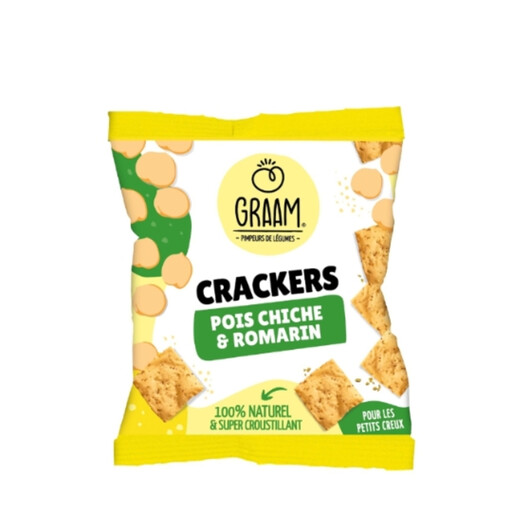 Image unavailable
A chickpea cracker to consider if you’re after a savoury snack rather than a sweet biscuit.
30 g pack. Check the packaging to compare protein, sugar and ingredients with other snacks.
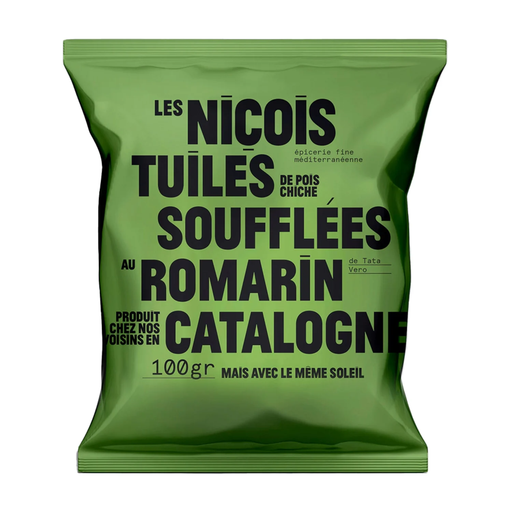 Image unavailable
Savoury chickpea and rosemary tuiles to enjoy as an aperitif, rather than as a substitute for a sweet biscuit.
100 g bag. To work out how much you’ll get in your portion, refer to the nutritional information on the packaging.
No. These are two separate things to check. Auchan’s product information lists 9 g of protein per 100 g for Auchan Less Sugar apple and cinnamon biscuits, and 21 g for Prozis chocolate and hazelnut protein biscuits. Compare their sugar content too, and take the portion you’ll eat into account.
No. Auchan’s product information for Karéléa filled biscuits lists maltitol and isomalt among the ingredients, as well as 25 g of polyols per 100 g. Check the ingredients list and nutritional information for the specific recipe.
Look for chickpeas in the ingredients list and check the proportion if it’s given. The Bjorg savoury biscuit featured by Carrefour contains 48,4% chickpea flour, but it’s a savoury curry-flavoured product, not a sweet, high-protein cookie.
Compare sugar and protein per 100 g, then check what that means for your portion. Also read the ingredients, allergens and any claims specific to the recipe. Your Europe, the European Union’s portal, reminds shoppers that labelling information must be accurate, legible and easy to understand.