
Livraison le jour même ou le lendemain

Qualité garantie

Débloquez vos offres de bienvenue: Livraison GRATUITE | Jusqu'à -80 % | 30 jours d'essai gratuits à JoyPlus
Téléchargez l'application
The undisputed star of happy hours, game nights, and barbecues, the chicken wing is a universal crowd-pleaser. Easy to share, it lends itself to a thousand and one recipes. The problem: between the raw wings, frozen options, and flavoured snacks flooding the supermarket aisles, it's easy to make a misstep. Who hasn't been disappointed by a product with a tempting description, only to find it bland or too complicated to prepare? This guide is here to cut through the noise and help you choose chicken wings that truly deliver on their promise.
Before you fill your cart, keep your eyes peeled. These common mistakes can turn a great evening into a culinary disaster.
To get it right, focus on these key points that make all the difference in taste and convenience.
It all depends on how much time you have and how much control you want in the kitchen.
Whether you choose pre-marinated wings or a standalone seasoning, the label is your best friend. Learn to decode it.
The final result will heavily depend on your cooking method. For perfect barbecue chicken wings, the marinade needs to stick to the skin and caramelise without burning. Frozen products, on the other hand, are often designed for the oven. The packaging must specify the compatible cooking methods (oven, barbecue, air fryer, etc.) to ensure you get crispy skin and juicy meat.
Here are a few products that tick all the boxes, tested and approved by our editors according to the criteria above.
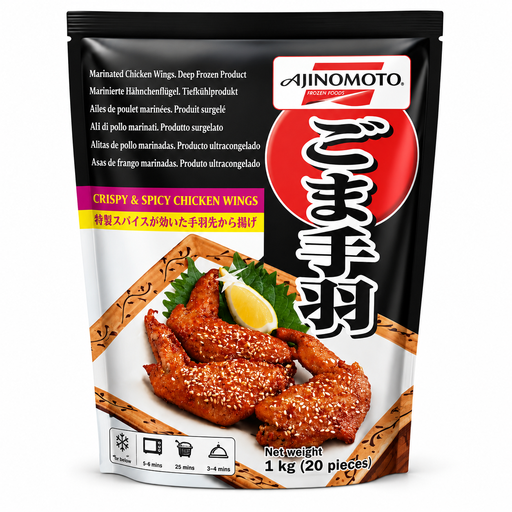
The verdict: Perfect for anyone looking for a quick and flavourful solution to feed a crowd. The 1kg format is sized for impromptu gatherings and nights in with friends.
This product is pre-cooked, which ends the "ready to cook" or "ready to heat" dilemma. Prep time is ultra-short and predictable: about 5 minutes in the fryer.
Cooks straight from the freezer for maximum simplicity. The coating is perfectly crispy and the seasoning (soy sauce, spices) is well-balanced and on point.
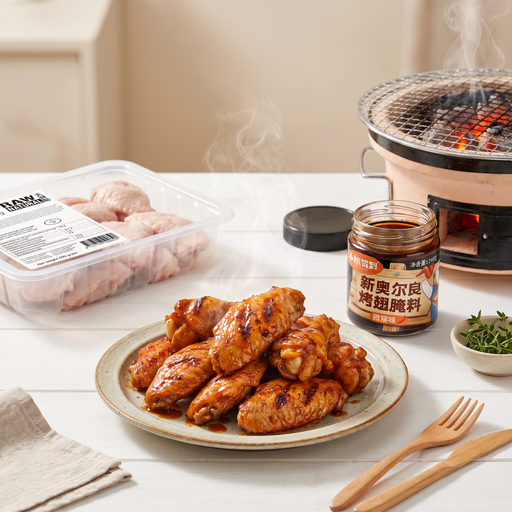
The verdict: This kit is the ideal solution for getting the authentic taste of a New Orleans-style marinade without collecting ten different spice jars, while still giving you control over cooking the fresh meat.
It sidesteps the pitfall of soulless industrial marinades by providing a fine powder seasoning. This penetrates the meat evenly for a rich, complex flavour that you control completely.
Total flexibility. You receive the raw wings and the marinade separately, allowing you to adjust the flavour intensity and choose your favourite cooking method (oven, grill, barbecue).
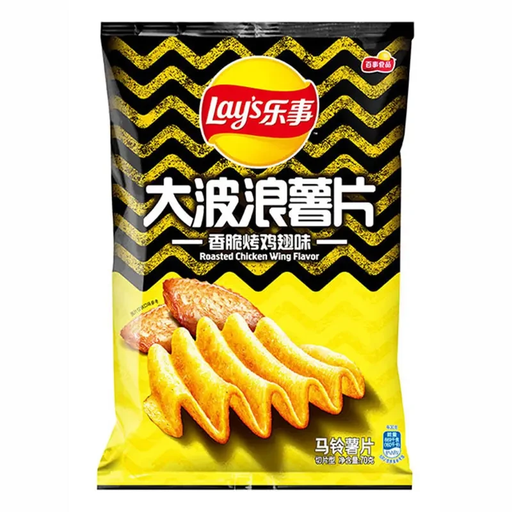
The verdict: For anyone who wants the pleasure of chicken wings without any of the cooking. The perfect solution for a sudden craving or for filling out a snack platter at the last minute.
Unlike many artificially flavoured snacks, these crisps feature a seasoning that accurately reproduces the salty and smoky notes of grilled chicken, delivering an authentic and identifiable flavour.
The wavy, thick texture of the crisps, which perfectly captures the seasoning for maximum flavour in every bite. Ready to devour instantly.
Discover our full selection of products that meet our quality charter and current standards.
1. How long does it take to cook frozen chicken wings? It all depends on whether they are raw or pre-cooked. Allow 15 to 20 minutes for pre-cooked wings in an oven at 200°C (400°F). For raw frozen wings, plan on 40 to 50 minutes at the same temperature. In any case, the safest bet is to follow the instructions on the package.
2. How do I get ultra-crispy chicken wings in the oven? The secret is high heat (between 200°C and 220°C / 400°F and 425°F). Be sure to space the wings out on the baking sheet so the hot air can circulate freely. For optimal crispiness, flip them halfway through cooking. And most importantly, don't cover them: the steam is sure to make the skin soggy.
3. What's the difference between a dry marinade (rub) and a liquid marinade? A dry marinade, or rub, is a mixture of spices and salt that is massaged onto the meat before cooking to form a flavourful crust. A liquid marinade, on the other hand, contains acidic agents (vinegar, lemon juice) or enzymatic ones (yoghurt) that tenderise the meat while flavouring it. The choice really depends on the texture and type of flavour you're aiming for.